 By Ketan Kumar
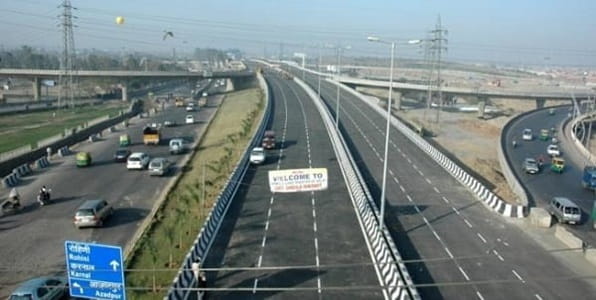
 There is a particular kind of junction in Delhi that functions as a city-within-a-city intersection — a point where the traffic of multiple distinct urban zones converges with enough daily regularity and intensity to earn its own civic identity. Mukarba Chowk is precisely that kind of junction. Sitting at the convergence of the GT Karnal Road, the Outer Ring Road’s northern arc, and the roads connecting toward Rohini, Shalimar Bagh, and the northwestern residential belt, it handles one of North Delhi’s most complex daily traffic geometries — highway traffic from Haryana and Punjab entering the city, Ring Road traffic moving circumferentially across North Delhi, and the residential commuter flow from the large planned colonies of Rohini and Shalimar Bagh heading toward employment centers in Central and South Delhi simultaneously.
The Mukarba Chowk Flyover spans this extraordinary convergence and in doing so provides one of North Delhi’s most consequential pieces of road relief. The junction’s name itself has become a geographic shorthand that every Delhi cab driver, bus conductor, and resident of the northwestern residential belt knows instinctively — a reference point by which distances and directions in this part of the city are calibrated. For the enormous population of Rohini, Shalimar Bagh, Ashok Vihar, and the industrial zones of Wazirpur and Lawrence Road, the flyover’s smooth functioning is not a background convenience. It is a daily necessity whose disruption would be felt immediately and acutely across the lives of hundreds of thousands of Delhiites who depend on this corridor for their morning and evening journeys.
| Detail | Information |
| Location | Mukarba Chowk, North Delhi |
| Primary Road | GT Karnal Road (NH-44) / Outer Ring Road |
| Nearest Metro Station | Mukundpur — Delhi Metro Pink Line |
| Key Roads Connected | GT Karnal Road (NH-44), Outer Ring Road, Rohini Road, Shalimar Bagh Road |
| Distance from Connaught Place | Approx. 14–16 km |
| Distance from Rohini | Approx. 4–5 km |
| Distance from Azadpur | Approx. 3–4 km |
| Distance from Singhu Border | Approx. 8–10 km |
| Governing Authority | PWD Delhi, NHAI, DMRC |
| Nearby Landmarks | Shalimar Bagh Colony, Ashok Vihar, Lawrence Road Industrial Area |
| Structure Type | Elevated Road Overpass / Flyover |
| Public Transport Options | Delhi Metro Pink Line, DTC Bus, App Cabs, Auto-Rickshaw |
| Best Suited For | North Delhi GT Karnal Road, Ring Road, and Rohini corridor traffic |
| Peak Traffic Hours | 8:00 AM – 10:30 AM and 5:30 PM – 9:00 PM |
Directions to Mukarba Chowk Flyover
From Connaught Place: Travel northward from Connaught Place via the Outer Ring Road heading toward North Delhi. Continue along the Ring Road through Wazirpur and Ashok Vihar. Mukarba Chowk Flyover is approximately 14 to 16 kilometres from Connaught Place with a travel time of 35 to 55 minutes through North Delhi’s arterial road network during peak hours.
From Azadpur: Travel northward from Azadpur along GT Karnal Road heading toward the outer North Delhi zones. Mukarba Chowk Flyover is approximately 3 to 4 kilometres ahead with a travel time of 10 to 15 minutes — making Azadpur the most immediately connected southern approach point to this important northern junction.
From Rohini: Travel eastward from Rohini’s residential sectors via the Rohini-Mukarba connector heading toward the Ring Road and GT Karnal Road junction. The flyover is approximately 4 to 5 kilometres from Rohini Sector 3 with a travel time of 15 to 20 minutes, a route used daily by the enormous residential population of Delhi’s largest planned colony heading toward employment centers.
From Singhu Border: Travel southward from the Singhu Border on NH-44 heading into Delhi from Haryana. Continue along GT Karnal Road toward the city. Mukarba Chowk Flyover is approximately 8 to 10 kilometres inside the Delhi boundary from Singhu, encountered as one of the first major elevated junctions on this primary northern highway entry.
From Shalimar Bagh: Travel southward or eastward from Shalimar Bagh via the Shalimar Bagh-Ring Road connector heading toward Mukarba Chowk. The flyover is approximately 3 to 4 kilometres from Shalimar Bagh’s main commercial area with a travel time of 10 to 15 minutes through this well-maintained planned colony road network.
Metro and Public Transport Connectivity
Mukundpur Metro Station on the Delhi Metro Pink Line is the nearest significant rail access point, connecting Mukarba Chowk’s catchment zone to the Pink Line’s sweeping east-west arc across Delhi that passes through Majlis Park, Shakurpur, Punjabi Bagh, South Campus, Lajpat Nagar, and continues eastward toward Anand Vihar and Shiv Vihar. The Pink Line’s arrival in this part of North Delhi has meaningfully extended metro access to the large residential population of Rohini, Shalimar Bagh, and the outer Ring Road zones who previously had limited rail connectivity to the broader city network. DTC buses operate extremely high-frequency services along GT Karnal Road and the Outer Ring Road through Mukarba Chowk, reflecting the junction’s role as a primary transit node for North Delhi’s enormous residential population. Auto-rickshaws serve the intra-neighborhood movement in Shalimar Bagh and Rohini, and app-based cabs are well-available at all hours.
Road Connectivity
- GT Karnal Road (NH-44) runs north to south as Delhi’s primary northern highway entry from Haryana and Punjab, carrying both intercity and commuter traffic in very high volumes.
- Outer Ring Road provides circumferential connectivity linking Mukarba Chowk to Azadpur in the south and Wazirabad in the north along Delhi’s intermediate ring highway.
- Rohini Road extends westward into the planned residential sectors of Rohini — Delhi’s largest planned residential township housing over one million residents.
- Shalimar Bagh Road connects northward into the Shalimar Bagh planned colony’s wide, tree-lined internal road network.
Nearby Areas and Neighbourhoods
Rohini: Delhi’s largest planned residential township, spread across 22 sectors with a population exceeding one million residents, is directly connected to Mukarba Chowk via the Rohini connector roads. Its enormous commuter population makes this one of the primary residential feeders into the flyover junction’s daily traffic volume.
Shalimar Bagh: One of North Delhi’s most established and well-maintained planned residential colonies, Shalimar Bagh offers premium independent houses and apartment blocks within a green, well-planned environment. Its large residential population represents the affluent northern Delhi professional class that uses the Mukarba Chowk corridor for daily commuting.
Ashok Vihar: A well-developed residential and commercial locality south of Mukarba Chowk along the Ring Road, Ashok Vihar offers strong local market infrastructure, reputed schools, and the civic amenities of a mature planned colony with direct Ring Road access to the junction.
Lawrence Road Industrial Area: The significant industrial belt along the Ring Road south of Mukarba Chowk contributes heavy vehicle and commercial traffic to the junction, particularly during early morning hours when factory shift changes generate concentrated movement through this corridor.
Wazirabad and Outer North Delhi: The outer North Delhi residential and industrial zones further north along NH-44 depend on Mukarba Chowk as their primary southern connection point to the Ring Road network and the city’s inner arterial system.
Frequently Asked Questions (FAQs)
Q1. Where is Mukarba Chowk Flyover located in Delhi?
It is in North Delhi at the junction of GT Karnal Road (NH-44) and the Outer Ring Road, approximately 14 to 16 kilometres from Connaught Place and 3 to 4 kilometres from Azadpur.
Q2. Which metro station is nearest to Mukarba Chowk Flyover?
Mukundpur Metro Station on the Delhi Metro Pink Line is the closest station, providing access to the broad east-west Pink Line corridor.
Q3. How far is Mukarba Chowk from Rohini?
Rohini’s central sectors are approximately 4 to 5 kilometres from the flyover, making Mukarba Chowk the primary gateway for Rohini’s enormous residential population entering the GT Karnal Road highway corridor.
Q4. Is Mukarba Chowk on the route from Punjab to Delhi?
Yes, NH-44 from Punjab and Haryana enters Delhi via Singhu Border and passes through Mukarba Chowk approximately 8 to 10 kilometres south of the border.
Q5. What residential colonies are closest to Mukarba Chowk Flyover?
Shalimar Bagh, Rohini, and Ashok Vihar are the most prominent and well-established residential colonies in the immediate vicinity of the flyover.