 By Ketan Kumar
 Furnishing a home in India is a significant decision that balances practicality, budget, aesthetics, and long-term usability. With rapid urbanization, smaller apartment sizes, and evolving family needs, the debate between modular furniture and traditional furniture has become increasingly relevant. Both options have distinct strengths, but the right choice depends on your lifestyle, space, climate, and future plans.
This article provides a comprehensive comparison to help Indian homeowners decide which type of furniture better suits their needs.
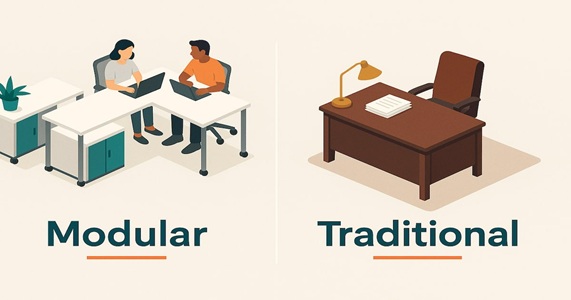
What is Modular Furniture?
Modular furniture consists of pre-fabricated units or components that can be assembled, disassembled, reconfigured, or expanded as required. It is typically made from engineered wood (MDF, particle board, or plywood), metal, or a combination, with clean lines and modern finishes. Popular examples include modular wardrobes, kitchen cabinets, TV units, and storage beds.
What is Traditional Furniture?
Traditional furniture refers to solid wood pieces crafted using age-old joinery techniques. Common materials include Sheesham, Teak, Mango, and Acacia wood. These pieces often feature hand-carved details, classic designs, and a timeless appeal passed down through generations.
Key Comparison
- Customization and Flexibility
Modular furniture wins hands-down here. You can customize dimensions, internal configurations (shelves, drawers, hanging rods), and finishes to fit awkward Indian apartment layouts perfectly. Traditional furniture is usually fixed in size and design, though custom carpentry is possible.
- Space Efficiency
Modular systems are designed for compact urban homes. Wall-mounted units, hydraulic storage beds, and foldable designs maximize every inch. Traditional furniture tends to be bulkier and heavier, which can overwhelm small rooms.
- Cost
Modular furniture is generally more budget-friendly, especially for complete home setups. A full modular bedroom set can cost ₹50,000–1.5 lakhs. Solid wood traditional pieces are more expensive upfront (₹80,000–3 lakhs+ for similar items) but offer better long-term value.
- Durability and Longevity
Traditional solid wood furniture, when made from quality timber like Teak or Sheesham, can last 20–50 years with proper care. Modular furniture typically lasts 8–15 years, depending on material quality and usage. Engineered wood is vulnerable to moisture if edges are not properly sealed.
- Maintenance
Modular furniture requires minimal maintenance — just regular cleaning. Traditional wooden furniture needs periodic polishing, termite treatment, and protection from direct sunlight and water.
- Aesthetics and Style
Traditional furniture brings warmth, character, and a classic Indian or ethnic look that ages beautifully. Modular furniture offers sleek, contemporary designs with a wide range of colours and finishes, suiting modern minimalist homes.
- Climate Suitability
In humid coastal areas, well-treated modular furniture (BWP grade) performs better against moisture. In drier regions, traditional solid wood excels. Both require care during monsoons.
- Eco-Friendliness and Resale Value
Solid wood from sustainable sources is more eco-friendly long-term. Modular furniture uses engineered wood, which can be more resource-efficient but less biodegradable. Traditional pieces usually have better resale value.
Indian Context: Which Should You Choose?
Choose Modular Furniture If:
- You live in a small apartment (1BHK or 2BHK).
- You move frequently (renters or transferable jobs).
- You want quick installation and easy customization.
- Budget is a primary concern.
- You prefer modern, minimalist, or smart storage solutions.
Choose Traditional Furniture If:
- You own an independent house or larger space.
- You want furniture that lasts generations.
- You prefer classic Indian aesthetics and craftsmanship.
- You value natural materials and are willing to invest more initially.
- You have a stable, long-term home.
Hybrid Approach (Recommended for Many):
Many smart Indian families combine both — modular wardrobes and TV units with traditional wooden beds and dining tables. This gives the best of functionality and timeless appeal.
Practical Buying Tips
- Measure your space accurately before purchasing.
- Check material quality, hardware (hinges, channels), and warranties.
- For modular: Insist on BWP plywood and good edge banding.
- For traditional: Look for kiln-dried wood and proper seasoning.
- Buy during sales on Pepperfry, Urban Ladder, or from reputed local carpenters.
- Consider Vastu compatibility — heavy traditional pieces in south-west directions.
Conclusion
There is no one-size-fits-all answer in the modular vs traditional furniture debate. Modular furniture excels in flexibility, affordability, and modern convenience, making it ideal for today’s fast-paced urban Indian life. Traditional furniture offers unmatched beauty, durability, and emotional value, perfect for those seeking longevity and heritage.
Assess your current needs, future plans, budget, and home size carefully. For most young families in apartments, modular or hybrid solutions work best. For those building long-term family homes, investing in quality traditional pieces is worthwhile. Ultimately, the best furniture is what serves your family’s lifestyle comfortably while fitting your space and budget.
Take time to visit showrooms, compare options, and choose thoughtfully. Whether modular or traditional, well-chosen furniture transforms a house into a warm, functional Indian home where memories are made for years to come.
FAQ
Q1: Which is more durable — modular or traditional furniture?
Traditional solid wood furniture is generally more durable and long-lasting if properly maintained, while good-quality modular furniture lasts 8–15 years comfortably.
Q2: Is modular furniture suitable for humid Indian climates?
Yes, if you choose BWP (Boiling Water Proof) grade plywood with proper edge sealing and anti-termite treatment.
Q3: Which option is better for small apartments?
Modular furniture is usually the better choice for small Indian apartments due to its space-saving and customizable nature.
Q4: Does traditional furniture offer better resale value?
Yes, high-quality solid wood traditional pieces generally retain better resale value than modular units.
Q5: Can I mix modular and traditional furniture?
Absolutely. Many Indian homes successfully combine both for optimal functionality and aesthetics.
Q6: How do I maintain traditional wooden furniture?
Regular polishing, termite treatment once a year, and protection from direct water and sunlight are essential.
Q7: What should be my budget for furnishing a 2BHK with either option?
Modular setups can be done in ₹2–4 lakhs, while a traditional solid wood approach may require ₹4–8 lakhs or more, depending on quality.