 By Saurav Mehra
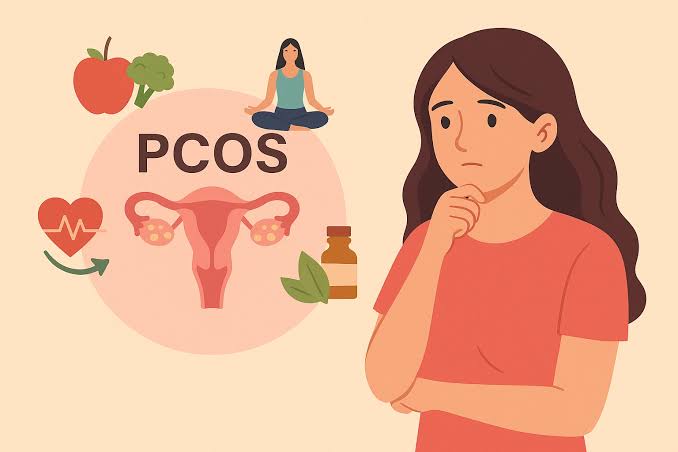
 If you’ve been recently told you have PCOS, chances are your first Google search left you more anxious than informed. Between conflicting diet advice, worrying long-term risk warnings, and prescriptions for birth control pills or metformin, it’s easy to feel like medicine is your only option. Here’s something worth hearing clearly: for a lot of women, especially those caught early, PCOS symptoms can genuinely be managed — sometimes brought into full remission — through consistent lifestyle changes alone, without reaching for medication first.
To be fair, this isn’t true for everyone, and PCOS isn’t something that disappears the way an infection does once treated. It has a genetic and hormonal basis that stays with you. But what can absolutely change is how it shows up in your body — irregular periods, acne, weight gain, and excess hair growth can settle down significantly, and for many women, stay settled for years, purely through diet, movement, sleep, and stress management done consistently.
If you’re an Indian woman trying to figure out where to actually start, here’s a practical, no-nonsense breakdown.
Understand That Insulin Resistance Is Often the Real Trigger
For most women with PCOS, insulin resistance sits at the root of the problem, even if their blood sugar tests come back normal. When cells stop responding properly to insulin, the body produces more of it, which in turn pushes the ovaries to produce excess androgens — the hormones responsible for irregular cycles, acne, and unwanted hair growth. This is exactly why so many PCOS management strategies circle back to diet and blood sugar control, even though PCOS itself isn’t diabetes.
Rebuild Your Plate Around Traditional, Whole Foods
You don’t need imported superfoods or bland, restrictive meals to manage PCOS. Swapping refined maida-based foods for whole grains like ragi, bajra, jowar, and oats helps keep blood sugar steadier through the day. Adding more protein through dal, paneer, eggs, or legumes at each meal slows down sugar spikes further, and including moderate amounts of healthy fats like ghee, walnuts, and flaxseeds supports hormone production rather than working against it.
Move Your Body, But Don’t Overdo the Intensity
Regular physical activity is one of the most effective natural tools for PCOS, since it directly improves insulin sensitivity and helps the body use glucose more efficiently. That said, extremely intense or exhausting workouts can sometimes backfire by raising cortisol levels, which can worsen hormonal imbalance rather than help it. A mix of brisk walking, strength training two to three times a week, and activities like yoga tend to work better long-term than punishing daily HIIT sessions.
Prioritise Sleep Like It’s Part of Your Treatment Plan
Poor sleep disrupts the hormones that regulate hunger, insulin sensitivity, and stress response, all of which directly affect PCOS symptoms. Aiming for 7 to 8 hours of consistent, uninterrupted sleep isn’t just general wellness advice here — it’s a core part of hormonal regulation that gets overlooked far too often in favour of diet and exercise alone.
Manage Stress Actively, Not Just When It Feels Overwhelming
Chronic stress raises cortisol, and elevated cortisol tends to worsen almost every PCOS symptom, from irregular cycles to stubborn weight gain. Building in daily stress-relieving practices — deep breathing, short meditation sessions, journaling, or simply stepping away from screens in the evening — can meaningfully support hormonal balance over time, even though it’s often the first thing dropped when life gets busy.
Consider Specific Nutrients That Support Hormonal Balance
Certain vitamins and minerals show up repeatedly in PCOS management discussions — inositol, vitamin D, zinc, and omega-3 fatty acids among them. Turmeric’s active compound, curcumin, is also commonly used in Indian households for its anti-inflammatory properties, which may help with insulin resistance. That said, supplements work best as an addition to a solid diet and lifestyle foundation, not as a shortcut around it.
Give Ayurveda a Fair, Informed Look
Ayurveda offers several supportive approaches for PCOS, often focusing on detoxification and herbs believed to help regulate hormones. Many women find real value in combining these traditional practices with modern lifestyle changes. That said, herbal remedies can still interact with existing health conditions or medications, so it’s worth discussing any Ayurvedic regimen with a qualified practitioner before starting it.
Know When Lifestyle Changes Alone Might Not Be Enough
Lifestyle-first management works well for many women, but it isn’t universal. If you’re actively trying to conceive, dealing with very irregular or absent periods, or experiencing symptoms that aren’t improving despite consistent effort over several months, that’s a reasonable point to loop in a gynaecologist. Medicine isn’t a failure of lifestyle changes — sometimes it’s simply the right tool for where your body is at that particular stage.
FAQs
Q1. How long does it typically take to see results from lifestyle changes alone?
Most women notice initial improvements in energy and skin within 6 to 8 weeks, while menstrual cycle regularity often takes 3 to 6 months of consistent effort to show a clear pattern.
Q2. Can I manage PCOS naturally if I’m also trying to lose weight?
Yes, and the two often go hand in hand, since even a modest 5 to 10 percent reduction in body weight can meaningfully improve insulin sensitivity and hormonal balance for many women with PCOS.
Q3. Is it possible for PCOS symptoms to come back even after they’ve improved?
Yes, since PCOS has an underlying genetic basis, symptoms can resurface if diet, activity, sleep, or stress levels shift significantly, which is why long-term consistency matters more than a short intensive fix.
Q4. Do thin or normal-weight women need to worry about PCOS too?
Absolutely. PCOS affects women across all body types, and thin women with PCOS often deal with insulin resistance just as much as those carrying extra weight, so lifestyle management remains relevant regardless of body size.
 Ketan Kumar