 By Saurav Mehra
 Ask most people what diabetes actually is, and you’ll get a fairly vague answer — something about “too much sugar in the blood.” Ask them the difference between Type 1 and Type 2, though, and the confusion usually deepens. Many assume Type 1 is what “kids get” and Type 2 is what “older people get from eating too much sweet stuff,” and while there’s a grain of truth buried in there, this oversimplified picture leaves out details that actually matter for how each condition is treated, managed, and lived with day to day.
Given how common diabetes has become in India, with millions of people carrying either an existing diagnosis or an undetected one, it’s worth actually understanding what sets these two conditions apart. They’re not just “mild” and “severe” versions of the same disease — they start differently, behave differently in the body, and require genuinely different approaches to keep them under control.
Let’s go through this properly, one distinction at a time.
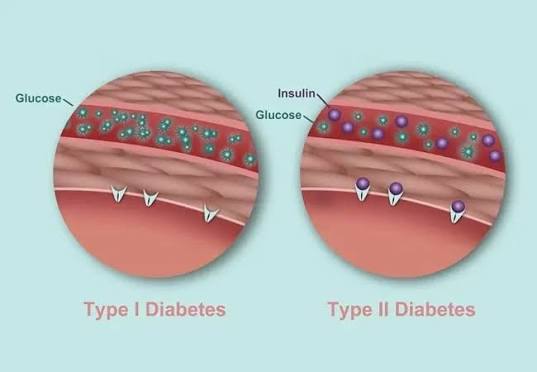
They Start From Completely Different Root Causes
Type 1 diabetes is an autoimmune condition. For reasons researchers still don’t fully understand, the immune system mistakenly attacks and destroys the insulin-producing cells inside the pancreas, called beta cells. Once destroyed, these cells don’t come back, which means the body simply stops making insulin altogether.
Type 2 diabetes works very differently. Here, the pancreas usually still produces insulin, sometimes even in larger amounts than normal, but the body’s cells become resistant to it and stop responding properly. Over time, the pancreas struggles to keep up with this resistance, and blood sugar levels start climbing.
Age of Onset Isn’t as Fixed as People Assume
Type 1 diabetes is often diagnosed in childhood or adolescence, which is why it used to be called “juvenile diabetes.” However, it can genuinely develop at any age, including well into adulthood, so age alone isn’t a reliable way to tell the two apart.
Type 2 diabetes has traditionally been associated with adults over 40, particularly those carrying extra weight or living a sedentary lifestyle. What’s changed noticeably in recent years, though, is how often it’s now showing up in much younger adults and even teenagers, largely linked to rising obesity rates and inactive daily routines.
Symptoms Appear at Very Different Speeds
This is one of the more practical differences for anyone trying to figure out which type they might be dealing with. Type 1 diabetes tends to come on fast, sometimes within just a few weeks, with symptoms like intense thirst, rapid weight loss, and extreme fatigue showing up quite suddenly and severely.
Type 2 diabetes, on the other hand, develops so gradually that many people don’t notice anything is wrong for years. Mild fatigue, occasional thirst, or slightly blurred vision often get dismissed as ordinary tiredness, which is exactly why Type 2 frequently goes undiagnosed for a long stretch before it’s finally caught.
Treatment Approaches Aren’t Interchangeable
Because Type 1 diabetes means the body produces no insulin at all, daily insulin therapy isn’t optional — it’s essential for survival. This usually means multiple daily injections or an insulin pump, along with careful carbohydrate counting to match insulin doses accurately to food intake.
Type 2 diabetes management typically starts with lifestyle changes — better diet, regular physical activity, and weight management — often alongside oral medications that improve insulin sensitivity or help the pancreas release more insulin. Insulin therapy can eventually become necessary for some people with Type 2 as well, but it’s usually not the starting point.
Reversal and Remission Look Very Different Too
Type 1 diabetes cannot currently be reversed or put into remission, since the underlying insulin-producing cells have been permanently destroyed. Management is lifelong, focused on keeping blood sugar within a healthy range through consistent insulin use.
Type 2 diabetes, particularly when caught early, can sometimes be pushed into remission through significant and sustained weight loss, dietary changes, and increased activity. This doesn’t mean the condition is “cured” forever, but blood sugar can return to a normal range without medication for some people who make and maintain these changes.
Family History Plays a Role in Both, Just Differently
Genetics contribute to both types, but the pattern is different. Type 1 diabetes has a genetic component, though it usually requires an additional environmental trigger, and having a family member with it doesn’t guarantee you’ll develop it too. Type 2 diabetes has a stronger and more direct link to family history, especially when combined with lifestyle factors like diet and activity levels, which is why doctors often ask about parental or sibling history when assessing someone’s risk.
FAQs
Q1. Can Type 2 diabetes eventually turn into Type 1?
No, the two remain distinct conditions with different underlying causes. However, some adults are initially misdiagnosed with Type 2 when they actually have a slower-developing form of autoimmune diabetes, so doctors sometimes reassess the diagnosis if treatment isn’t working as expected.
Q2. Is one type more dangerous than the other?
Both carry serious risks if left poorly managed, including damage to the eyes, kidneys, nerves, and heart. Type 1 carries an additional immediate risk of diabetic ketoacidosis if insulin is missed, which can become life-threatening quite quickly.
Q3. If Type 2 diabetes runs in my family, does that mean I’ll definitely get it?
Not necessarily. Family history increases your risk, but lifestyle factors like diet, physical activity, and weight management still play a major role in whether that risk actually turns into diagnosed diabetes.
Q4. Do both types require the same frequency of blood sugar monitoring?
Not exactly. People with Type 1 diabetes generally need to monitor blood sugar more frequently, since their levels can shift quickly without any internal insulin production to buffer them, while monitoring frequency for Type 2 often depends on the specific treatment plan and how well it’s already controlled.
 Ketan Kumar