 By Saurav Mehra
 In many Indian cities, stepping outside no longer feels like simply breathing fresh air. Morning walks happen beside traffic smoke, school children wait for buses in dust, office-goers sit in polluted commutes, and homes near busy roads keep collecting black grime on windows. During winter, festival season, construction work or crop-burning months, the air can feel heavy, smoky and irritating. Many people wake up with a blocked nose, dry cough, throat itching, burning eyes or breathlessness and think, “Mausam change ho raha hai.” But often, the real reason is polluted air.
Urban air pollution is not just an outdoor problem. It enters homes, offices, schools, cars and gyms. Tiny particles from vehicles, construction dust, industrial emissions, garbage burning, diesel generators, road dust and smoke can enter deep into the lungs. Over time, repeated exposure may worsen asthma, allergies, bronchitis, sinus issues and heart risk. Children, elderly people, pregnant women, outdoor workers and people with lung or heart disease need extra care.
The good news is that you cannot control the whole city’s air alone, but you can reduce your personal exposure. Small daily habits—checking AQI, choosing better travel timing, using masks correctly, improving indoor air and protecting children—can make a real difference.
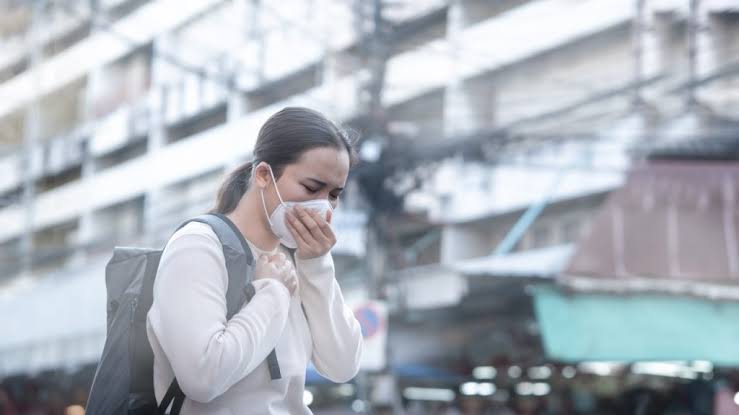
Understand What Harms the Lungs
Urban pollution is a mix of many harmful substances. The most discussed are PM2.5 and PM10. PM means particulate matter. PM2.5 particles are extremely tiny and can go deep into the lungs. PM10 particles are larger but can still irritate the nose, throat and airways.
Other pollutants include nitrogen dioxide from vehicles, ozone, sulphur dioxide, carbon monoxide, smoke and chemical fumes. Dust from construction, road repair, demolition and unpaved areas also adds to the load.
For a normal person, this may first show up as cough, sneezing, throat irritation or watery eyes. For someone with asthma or COPD, pollution can trigger serious breathing difficulty.
Check AQI Before Planning Outdoor Activity
AQI, or Air Quality Index, helps you understand how polluted the air is. Many weather apps and pollution apps show daily AQI. In polluted cities, checking AQI should become as normal as checking the weather.
If AQI is good or moderate, outdoor walks and exercise are usually easier. If AQI is poor, very poor or severe, reduce outdoor exertion, especially near traffic roads.
Do not ignore AQI during winter mornings. Many Indian cities have worse air early morning due to low wind, temperature inversion and trapped pollution. A morning walk may not always be the healthiest choice if the air is very polluted.
Choose the Right Time for Walking and Exercise
Exercise is important for lung health, but exercising in polluted air can increase exposure because you breathe faster and deeper.
On high-pollution days, avoid jogging or heavy workouts near roads. Shift exercise indoors if possible. If you must go outside, choose a park away from traffic and go when AQI is relatively better.
In many cities, late morning or afternoon may sometimes be better than early morning during winter, but this varies by location. Check local AQI instead of following a fixed rule blindly.
For people with asthma, heart disease or elderly family members, outdoor exercise during severe AQI days should be avoided unless a doctor advises otherwise.
Use a Proper Mask When Air Is Bad
A normal cloth mask or loose surgical mask is not enough for fine pollution particles. During high pollution days, a well-fitted N95, N99 or similar certified respirator-style mask offers better protection.
Fit matters. If air leaks from the sides, the mask will not work well. It should cover the nose and mouth properly. Men with thick beards may not get a tight seal, reducing protection.
Use masks while commuting on bikes, walking near traffic, visiting dusty areas or going outside during smog episodes. Replace disposable masks when they become dirty, wet, loose or difficult to breathe through.
Children need masks that fit their face comfortably. Very young children may not tolerate tight masks well, so reducing exposure is often better than forcing a poorly fitted mask.
Protect Your Home From Outdoor Pollution
Many people think staying indoors automatically means clean air. That is not always true. Outdoor pollution enters through windows, doors, exhaust gaps and ventilation points. Indoor sources like incense sticks, mosquito coils, frying smoke, dust, dampness and cleaning chemicals can make air worse.
On high AQI days, keep windows closed during peak pollution hours. Open them when outdoor air improves to allow ventilation. Use door seals or curtains near busy roads if dust enters frequently.
Avoid sweeping dry dust because it throws particles back into the air. Use wet mopping or a damp cloth. Clean fans, window grills and curtains regularly because dust settles there.
Consider an Air Purifier for High-Risk Homes
An air purifier with a proper HEPA filter can help reduce fine particles indoors, especially in bedrooms. This is useful for homes with babies, elderly people, asthma patients, people with allergies, pregnant women or those living near busy roads.
Choose an air purifier according to room size. A small purifier in a large room will not help much. Keep doors and windows closed while it runs. Clean or replace filters as recommended.
Do not depend only on fancy features. The main thing is effective particle filtration and correct room coverage. Also remember that air purifiers work best in closed rooms, not open halls with constant outdoor air entering.
Do Not Depend Only on Indoor Plants
Indoor plants look beautiful and may improve mood, but they cannot clean severe urban pollution like a proper filtration system. A few money plants or snake plants cannot remove heavy PM2.5 from a room.
Keep plants if you like them, but do not treat them as your main pollution protection. For real protection, focus on reducing dust entry, wet cleaning, ventilation timing and filtration.
Also avoid overwatering plants indoors because damp soil can increase mould in some homes.
Reduce Indoor Smoke Sources
Your lungs face pollution outside and inside. If you burn incense sticks, dhoop, camphor, mosquito coils or candles daily in closed rooms, indoor smoke increases. This can irritate sensitive lungs.
Use these items in moderation and keep ventilation in mind. Avoid burning them in bedrooms, especially where children or asthma patients sleep. Use safer mosquito control methods like nets, screens and removing stagnant water where possible.
Kitchen smoke is another issue. Deep frying, tadka smoke, burnt oil and poor exhaust can worsen indoor air. Use a chimney or exhaust fan, keep the kitchen ventilated and avoid overheating oil until it smokes.
Make Your Commute Lung-Friendly
Commuting is a major pollution exposure in Indian cities. Bikers, auto passengers, traffic police, street vendors and pedestrians near busy roads inhale a lot of polluted air.
If possible, avoid peak traffic routes. Keep some distance from heavy diesel vehicles, buses and trucks. While driving a car in heavy traffic, keep windows closed and use recirculation mode for short polluted stretches.
If travelling by two-wheeler, wear a well-fitted pollution mask on bad-air days. Do not stand directly behind buses or trucks at signals. Small changes in route and timing can reduce daily exposure.
Keep Children Safe During Bad Air Days
Children breathe faster than adults and their lungs are still developing. Pollution can affect them more strongly.
During high AQI days, reduce outdoor playtime, especially near roads and construction sites. Schools and parents should avoid intense sports during severe pollution. Children with asthma should keep inhalers as prescribed and follow their doctor’s action plan.
At home, keep the child’s sleeping area clean, smoke-free and dust-controlled. Avoid spraying strong room fresheners or cleaning chemicals around children.
If a child has repeated cough, wheezing, chest tightness or breathlessness, consult a doctor instead of only giving home remedies.
Support Your Lungs With Food and Hydration
Food cannot block pollution from entering the lungs, but a healthy diet supports immunity and recovery. Eat colourful fruits and vegetables such as amla, guava, orange, papaya, carrots, spinach, tomatoes, capsicum and seasonal greens.
Protein is also important for repair and immunity. Include dal, chana, rajma, curd, paneer in moderation, eggs, fish, chicken, tofu or sprouts depending on your diet.
Drink enough water. Warm fluids may soothe throat irritation. Avoid smoking, excessive alcohol and too much fried food because these add more stress to the body.
Do not believe that one kadha, herbal tea or supplement can “detox” pollution from the lungs. Good food helps, but exposure control is still necessary.
Quit Smoking Completely
If you smoke and live in a polluted city, your lungs face double damage. Cigarettes, bidis, hookah and vaping all irritate the lungs. Tobacco also increases risk of chronic lung disease, cancer and heart problems.
Second-hand smoke is harmful too. Do not smoke inside the home, balcony, car or near children. Air fresheners cannot remove tobacco harm.
Quitting smoking is one of the strongest ways to protect your lungs. If quitting feels difficult, take medical help. Nicotine addiction is treatable.
Be Careful With Outdoor Work
Construction workers, traffic police, delivery riders, street vendors, sweepers and outdoor labourers face higher exposure. If your work keeps you outside, protection is even more important.
Use a proper mask when air is poor or dust is high. Take breaks away from traffic or dust clouds if possible. Wash your face and hands after returning home. Change dusty clothes and avoid bringing outdoor dust into the bedroom.
Employers should provide protective gear, safe rest areas and dust-control measures. Lung protection should not depend only on individual effort.
Keep Asthma and Allergy Medicines Ready
People with asthma, COPD, allergic rhinitis or chronic sinus problems should follow their doctor’s treatment plan carefully during pollution season. Do not stop inhalers because symptoms are controlled. Controller medicines work best when taken regularly as prescribed.
Keep rescue inhalers available if your doctor has given them. Watch for warning signs such as wheezing, chest tightness, night cough, breathlessness or reduced ability to walk.
If symptoms worsen during high pollution, seek medical advice early. Do not wait until breathing becomes severe.
Recognise Warning Signs
Pollution-related irritation may cause mild cough or throat discomfort, but some symptoms need medical attention.
See a doctor if you have persistent cough for more than two to three weeks, wheezing, chest pain, breathlessness, blood in sputum, repeated fever, severe fatigue, low oxygen levels or worsening asthma.
Children, elderly people and heart patients should be checked sooner. Pollution can worsen not only lungs but also heart conditions.
Build a Daily Lung Protection Routine
Start by checking AQI in the morning. Plan outdoor activity according to air quality. Use a proper mask when pollution is high. Keep windows closed during peak pollution and ventilate when air improves. Wet mop instead of dry sweeping. Reduce indoor smoke. Use an air purifier if needed. Eat a balanced diet, drink water, avoid smoking and walk in cleaner areas when possible.
You cannot remove urban pollution from the city in one day, but you can reduce how much of it enters your lungs every day. That daily reduction matters.
FAQs
Q1. Which mask is best for urban air pollution?
A well-fitted N95, N99 or similar certified respirator-style mask is better than a cloth or loose surgical mask for fine pollution particles. Fit is very important. If air leaks from the sides, protection reduces.
Q2. Should I avoid morning walks when AQI is high?
Yes, avoid outdoor morning walks when AQI is poor, very poor or severe, especially in winter smog. Shift exercise indoors or choose a time and place where air quality is better.
Q3. Can air purifiers really help at home?
Yes, a good HEPA air purifier can reduce fine particles indoors if it is suitable for the room size and used with doors and windows closed. It is especially useful for asthma patients, children, elderly people and homes near busy roads.
Q4. Can diet protect lungs from pollution?
A healthy diet supports immunity and lung recovery, but it cannot fully protect you from polluted air. Eat fruits, vegetables and enough protein, but also reduce exposure through AQI checks, masks, cleaner indoor air and smoke-free habits.