 By Saurav Mehra
 Constipation may sound like a small digestive issue, but anyone who faces it regularly knows how disturbing it can be. A heavy stomach in the morning, long time in the bathroom, hard stools, bloating, gas, headache, low appetite and irritation throughout the day can affect work, mood and sleep. In many Indian homes, people quietly manage constipation with tea, hot water, home remedies, churna or occasional laxatives, but the problem keeps coming back.
The real reason is often hidden in daily food habits. Modern Indian meals have changed a lot. Many people eat more refined flour, white rice, biscuits, packaged snacks, fried foods and low-fibre meals, while traditional high-fibre foods have reduced from the plate. Earlier, meals naturally included whole grains, dals, seasonal vegetables, fruits, seeds, millets and fermented foods. These supported smoother digestion without much discussion.
Chronic constipation usually needs a routine, not a one-day solution. High-fibre foods can help, but they must be introduced correctly with enough water, movement and fixed toilet habits. If you suddenly eat too much fibre without drinking water, bloating and gas may increase. The smart approach is to bring back traditional Indian fibre-rich foods slowly and consistently.
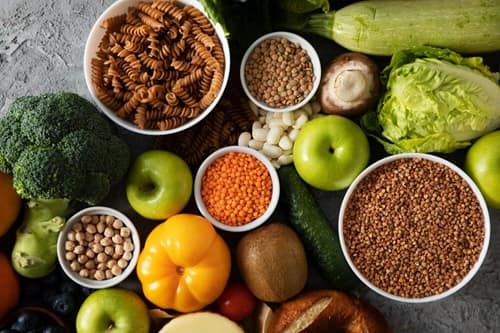
What Is Chronic Constipation?
Constipation means passing stool less often than usual or passing hard, dry stool with difficulty. Chronic constipation means the problem continues for weeks or months.
Some people pass stool daily but still feel incomplete evacuation. Some go only two or three times a week. Some need to strain a lot. The pattern can differ, but the discomfort is real.
Constipation can happen due to low fibre intake, less water, sitting for long hours, ignoring the urge, stress, travel, pregnancy, thyroid problems, diabetes, medicines, IBS or other health conditions. If it is frequent, do not ignore it.
Why Fibre Helps Constipation
Fibre is the part of plant food that the body does not fully digest. It helps add bulk, softness and movement to stool. This makes it easier for the intestine to push stool forward.
There are two main types of fibre. Soluble fibre absorbs water and forms a soft gel-like texture. Insoluble fibre adds bulk and helps stool move faster. Most traditional Indian plant foods contain a mix of both.
But fibre works best with water. Without enough fluids, extra fibre can make stool harder. That is why a high-fibre diet must always come with good hydration.
Start Slowly: Do Not Overload Fibre Suddenly
Many people hear “eat fibre” and suddenly start eating too much salad, sprouts, bran, flaxseeds and fruits in one day. This can cause gas, cramps and bloating.
Increase fibre gradually over two to three weeks. Start by adding one extra fibre-rich food daily. For example, add one fruit, one bowl of sabzi or one spoon of soaked seeds. Once digestion adjusts, increase further.
This slow method is especially important for people with IBS, acidity, gas problems or sensitive digestion.
1. Whole Wheat Roti and Multigrain Rotis
For many Indian families, roti is a daily food. Whole wheat roti gives more fibre than maida-based foods like naan, kulcha, bread or biscuits. If you eat refined flour often, shifting back to whole wheat can improve bowel regularity.
You can make rotis more fibre-rich by adding atta mixed with bajra, jowar, ragi, barley or chana flour. Do not make the mix too heavy at once. Start with a small proportion of millet or chana flour and see how your stomach responds.
Avoid eating dry rotis with only pickle or tea. Pair them with dal, sabzi and curd if it suits you. A balanced meal supports digestion better.
2. Millets Like Bajra, Jowar and Ragi
Millets are traditional Indian grains that are naturally fibre-rich. Bajra roti in winter, jowar bhakri, ragi dosa, ragi porridge and millet khichdi can help improve fibre intake.
Millets are filling and support slow digestion. However, they can feel heavy if introduced suddenly. Start with one millet meal two or three times a week instead of replacing all wheat and rice immediately.
For constipation, millet works best when eaten with vegetables, dal and enough water. Dry millet rotis without fluids may feel heavy for some people.
3. Dal, Chana, Rajma and Sprouts
Pulses are among the best traditional fibre foods in India. Dal, chana, rajma, lobia, kala chana, matki, moong and sprouts provide fibre along with protein.
For easier digestion, start with moong dal, masoor dal or well-cooked mixed dal. Heavier pulses like rajma and chole should be soaked well and cooked soft. Use jeera, hing, ajwain and ginger if they suit you.
Sprouts can help some people, but they may cause gas in others. If raw sprouts cause bloating, lightly steam them before eating. Sprouts chaat with lemon, cucumber and roasted jeera can be a good evening snack.
4. Seasonal Indian Vegetables
Vegetables are one of the simplest ways to fight constipation. They add fibre, water and volume to meals.
Good options include lauki, tinda, bhindi, beans, cabbage, carrot, beetroot, pumpkin, cauliflower, spinach, methi, bathua, brinjal, capsicum and peas. Cooked vegetables are often easier to digest than large raw salads.
Try to include one bowl of sabzi at lunch and dinner. If your plate is mostly rice or roti with a small spoon of sabzi, constipation may not improve much. Make vegetables a main part of the meal, not decoration.
5. Leafy Greens
Traditional leafy greens like spinach, methi, bathua, sarson, chaulai and drumstick leaves can support bowel movement because they contain fibre and minerals.
Cook them well with less oil. Add them to dal, paratha stuffing, cheela batter, khichdi or sabzi. For example, palak dal, methi roti, bathua raita and sarson saag can be useful when prepared lightly.
Wash leafy greens properly because soil and germs can hide in them. People with kidney stones or specific medical restrictions should follow doctor advice on greens.
6. Fruits That Help Constipation
Fruits provide fibre, water and natural sugars that can support bowel movement. Good Indian options include papaya, guava, apple with skin, pear, orange, mosambi, berries, figs and soaked raisins.
Papaya is a popular traditional choice for constipation. Guava is excellent but should be chewed well. Apple and pear work better with skin if washed properly.
Avoid drinking fruit juice for constipation. Juice removes much of the fibre. Eat whole fruit instead.
7. Prunes, Figs and Raisins
Dry fruits like prunes, figs and raisins are traditional bowel-supporting foods. Soaked figs or raisins in the morning may help some people pass stool more comfortably.
Start small. Take one or two soaked figs or a spoon of soaked raisins. Too much can cause loose motions, gas or sugar spikes.
People with diabetes should be careful with dried fruits because they are concentrated in natural sugars. Portion control is important.
8. Isabgol or Psyllium Husk
Isabgol is one of the most commonly used traditional fibre remedies in India. It absorbs water and helps form softer stool. It can be useful for constipation when taken correctly.
The key is water. Isabgol should be taken with enough water, and you should drink fluids through the day. Taking it dry or with very little water can worsen constipation or cause choking risk.
Do not use isabgol as a permanent daily habit without understanding the cause of constipation. If you need it every day for months, consult a doctor.
9. Flaxseeds and Chia Seeds
Flaxseeds and chia seeds are fibre-rich and can support bowel regularity. Flaxseeds should ideally be roasted lightly and ground because whole flaxseeds may pass through undigested.
You can add one teaspoon of ground flaxseed to curd, dal, porridge or smoothie. Chia seeds should be soaked before eating. Do not eat dry chia seeds directly.
Start with small quantities. Seeds are healthy, but too much can cause bloating.
10. Traditional Khichdi with Fibre Upgrade
Khichdi is gentle and comforting, but plain rice-heavy khichdi may not be enough for chronic constipation. Make it more fibre-rich by adding moong dal, vegetables, spinach, carrots, beans, peas or millets.
A vegetable dal khichdi with ghee in a small amount and curd on the side can be a good dinner for many people. It is soft, warm and easier to digest.
Avoid making khichdi too watery and low in vegetables if constipation is your main issue.
Water: The Partner of Fibre
Fibre without water is like a dry sponge. It needs liquid to work properly.
Drink water regularly through the day. Do not depend only on tea. Warm water in the morning may help some people, but total daily hydration matters more.
In summer, after exercise or during travel, increase fluids as needed. People with kidney or heart problems should follow medical advice on fluid intake.
Add Healthy Fats in Small Amounts
Extremely low-fat diets can worsen constipation for some people. A small amount of healthy fat helps lubrication and satisfaction.
Use measured amounts of ghee or oil in food. Nuts and seeds in small quantities can help too. But avoid deep-fried snacks, excess oil and greasy foods because they may worsen bloating and overall health.
One teaspoon of ghee in dal or khichdi may suit some people, but ghee alone is not a constipation cure.
Move Your Body Daily
The intestine responds to movement. Long sitting slows digestion. Walking, yoga, stretching and household activity can help bowel movement.
A 20–30 minute walk daily is a strong start. Some yoga poses may help gas and bowel movement, but avoid forceful poses if you have pain, pregnancy, surgery history or medical restrictions.
Even walking after meals for 10 minutes can improve digestion.
Build a Fixed Toilet Routine
Your bowel likes routine. Try to use the toilet at the same time daily, preferably after breakfast when the natural bowel reflex is active.
Do not ignore the urge to pass stool. Holding it repeatedly can worsen constipation. Also avoid sitting on the toilet for too long while using the phone. Give your body time, but do not strain aggressively.
A small footstool under the feet may help some people maintain a better posture for passing stool.
Foods That Can Worsen Constipation
Reduce maida, biscuits, white bread, noodles, excess cheese, fried snacks, chips, low-fibre packaged foods, too much tea, sugary snacks and heavy non-veg meals without vegetables.
Banana affects people differently. Ripe banana may help some, while unripe banana may worsen constipation. Observe your body.
Also avoid relying on strong laxative churnas daily. Some herbal laxatives can make the bowel dependent or irritate the gut if overused.
When Constipation Needs Medical Attention
See a doctor if constipation is new and persistent, if there is blood in stool, unexplained weight loss, severe pain, vomiting, fever, anaemia, pencil-thin stools, or constipation after age 45–50 without clear reason.
Also consult a doctor if you need laxatives regularly, have thyroid disease, diabetes, pregnancy, or are taking medicines that may cause constipation.
Natural foods help many people, but warning signs should not be ignored.
Practical Indian Daily Plan
Start the morning with water and a simple breakfast like vegetable dalia, oats, poha with vegetables, moong dal chilla or fruit with curd. Eat dal, sabzi and roti or rice at lunch. Add salad if it suits your digestion. In the evening, choose roasted chana, fruit, sprouts or soaked raisins instead of biscuits. Keep dinner light with vegetable khichdi, dal-sabzi-roti or soup with fibre-rich foods.
Repeat daily. Constipation improves when habits become regular.
FAQs
Q1. Which Indian food is best for constipation?
Moong dal khichdi with vegetables, papaya, guava, whole wheat roti with sabzi, leafy greens, soaked figs, dal and millets can help. The best food depends on your digestion, water intake and constipation type.
Q2. Is isabgol safe for daily constipation?
Isabgol can help constipation when taken with enough water, but daily long-term use should not replace finding the cause. If you need it regularly for many weeks, speak to a doctor.
Q3. Can too much fibre worsen constipation?
Yes, suddenly eating too much fibre without enough water can cause gas, bloating and harder stools. Increase fibre slowly and drink enough fluids.
Q4. Does warm water help constipation?
Warm water may help some people, especially in the morning, but it is not enough alone. Constipation improves better with fibre-rich foods, fluids, walking and regular toilet habits.