 By Ketan Kumar
 In many Indian kitchens, mustard oil is not just an oil—it is a flavour. The sharp aroma of sarson ka tel in aloo chokha, fish curry, achar, baingan bharta, pakoras and winter sabzis instantly reminds people of home-style food. In states like Bihar, Uttar Pradesh, West Bengal, Odisha, Assam, Punjab and Haryana, mustard oil has been used for generations because it gives food a strong taste, good aroma and traditional warmth.
But one common kitchen habit needs serious attention: reheating used mustard oil for frying again. Many people fry pakoras, puris, fish, pooris, chips or parathas and then save the leftover oil for the next day. It feels practical because oil is expensive and nobody wants wastage. But from a health point of view, reheating mustard oil again and again for frying is not a safe long-term habit.
The problem is not mustard oil alone. Any cooking oil can become harmful when it is repeatedly heated, cooled, stored and reheated. But mustard oil has a strong flavour and is often used for high-heat frying, so people may not notice early changes in smell and taste. Understanding what happens inside reheated oil can help you protect your family without blindly following fear or wasting food unnecessarily.
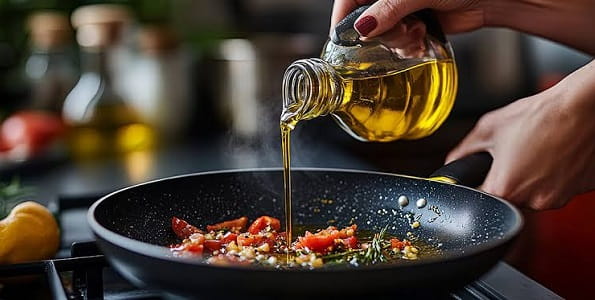
Fresh Mustard Oil and Reheated Mustard Oil Are Not the Same
Fresh mustard oil, used correctly, can be part of Indian cooking. It is commonly used for tadka, sabzi, fish curry, pickles and traditional recipes. The issue begins when the same oil is used again after deep frying.
During frying, the oil is exposed to high heat, air, water from food and small food particles. Besan crumbs, masala, salt, moisture and burnt bits mix with the oil. Once the oil cools and is heated again, it undergoes more chemical changes.
So, fresh mustard oil heated once for cooking is different from leftover frying oil reheated again and again. The second one is the risky habit.
What Happens When Mustard Oil Is Reheated?
When mustard oil is heated repeatedly, its quality starts breaking down. The oil may become darker, thicker, sticky and sharper in smell. This is not just a cosmetic change. It is a sign that the oil is getting damaged.
High heat can lead to oxidation. Oxidation produces unwanted compounds that may irritate the body and increase health risk over time. Reheated oil can also develop free radicals and polar compounds. These are not good for regular consumption.
The more times you heat the oil, the worse the quality becomes. If food particles remain in the oil, the damage happens faster because those particles burn again during reheating.
Reheated Oil Can Increase Harmful Compounds
Repeatedly heated oil may produce harmful substances such as oxidised fats, aldehydes, trans-fat-like compounds and free radicals. These compounds are linked with inflammation, poor heart health and other long-term health concerns when consumed regularly.
This does not mean eating one pakora fried in reused oil will immediately make you sick. The real danger is repeated exposure. If a family regularly uses the same leftover oil for frying, the risk slowly adds up.
This is especially important for people who already have high cholesterol, fatty liver, diabetes, obesity, acidity, heart disease or digestive problems.
Why Deep Frying Damages Oil Faster
Deep frying is harsher than normal cooking. When you make a sabzi, the oil is usually used in a smaller quantity and mixed with vegetables, spices and water. But during deep frying, a large amount of oil stays at high temperature for a longer time.
Foods like pakora, fish fry, puri, kachori and chips release moisture into hot oil. Moisture, salt and crumbs speed up oil breakdown. The oil may foam, smoke or smell burnt. These are warning signs.
Mustard oil already has a strong natural smell, so many people ignore these changes. But if the oil looks unusually dark, thick or sticky, it should not be reused.
Do Not Confuse Traditional Heating With Reheating Used Oil
In some Indian recipes, people heat mustard oil until it becomes less pungent before cooking. This is a traditional method used to reduce its sharp raw smell. But this is not the same as reheating used frying oil.
Heating a small amount of fresh mustard oil for tadka or cooking is different from reheating leftover oil in which pakoras or fish were already fried. The used oil already contains burnt particles and heat-damaged fats.
Even with fresh mustard oil, avoid burning it excessively. Heat it properly, but do not keep it smoking for a long time. Once it reaches the right temperature, reduce the flame and start cooking.
Reheated Mustard Oil Can Affect Heart Health
Oil quality matters for heart health. When oil is repeatedly heated, it may contribute to unhealthy fat changes. If a person already eats fried snacks, bakery foods, namkeen, creamy gravies and low-fibre meals, reused oil adds another burden.
People with high LDL cholesterol should be extra careful. Reused oil can make an already unhealthy diet worse. Even if mustard oil is traditional, reheating it again and again does not make it safe.
For heart-friendly cooking, use less oil, avoid repeated frying and choose cooking methods like steaming, boiling, roasting, sautéing or air-frying more often.
It Can Also Upset Digestion
Many people feel heaviness, acidity or burping after eating food fried in old oil. This is because reheated oil becomes harder on the stomach. It may smell stale, taste bitter or leave a greasy coating in the mouth.
Street foods fried in reused oil often feel extra heavy for the same reason. If you notice that fried food smells sharp, looks too dark or causes discomfort soon after eating, the oil quality may be poor.
Children and elderly people are more sensitive, so it is better to avoid giving them foods fried in reused oil.
How to Identify Mustard Oil That Should Not Be Reused
Used mustard oil should be discarded if it becomes very dark, sticky or thick. If it smells burnt, bitter, rancid or unusually sharp, do not use it again.
Foaming during heating is another warning sign. If the oil produces too much smoke at normal cooking temperature, it has likely degraded. If you see black food particles settled at the bottom, the oil has already been contaminated.
A simple rule is: if you would not like the smell of the oil on fresh roti or dal, do not use it for frying.
Can You Reuse Mustard Oil Even Once?
For the safest habit, avoid reusing deep-frying oil. But in real Indian homes, some people may still want to reuse oil once to reduce wastage. If you do, be very careful.
Use it only once, not again and again. Filter it through a clean steel strainer or muslin cloth after it cools. Store it in a clean, dry, covered container. Use it quickly, preferably for low-heat cooking, not deep frying again.
Do not mix old oil with fresh oil to “improve” it. This only spoils the fresh oil too. Also, never reuse oil in which fish, meat or heavily spiced batter was fried because it degrades and smells faster.
Better Ways to Reduce Oil Wastage
The best way to avoid reuse is to fry in smaller quantities of oil. Use a small kadai instead of a large one when frying for a small family. Fry fewer items at a time, but do not overload the kadai.
Plan the amount of oil according to the food. For pakoras, shallow frying or appe pan cooking can reduce oil use. For tikkis, cutlets and snacks, try air-frying, roasting or pan-searing.
Instead of making deep-fried snacks every evening, keep them for occasional meals. This reduces both oil wastage and health risk.
Safer Cooking Alternatives for Daily Food
Mustard oil can still be used smartly in Indian cooking. Use a small amount for tadka in dal, chokha, light sabzi, fish curry or achar-style flavouring. For daily vegetables, use measured oil instead of pouring directly from the bottle.
For snacks, try roasted makhana, chana, sprouts chaat, dhokla, steamed corn, grilled paneer, roasted peanuts, vegetable cheela or air-fried cutlets. These options give taste without depending on repeated deep frying.
Indian food does not need to be bland to be healthy. Spices, herbs, lemon, roasted jeera, garlic, ginger, curry leaves and green chutney can add flavour without excessive oil.
Special Caution for Diabetics and Heart Patients
People with diabetes, heart disease, high cholesterol, fatty liver or obesity should avoid reheated frying oil as much as possible. These health conditions already increase the need for better fat quality.
For such people, the problem is not only sugar or carbs. The quality of oil and cooking method also matters. Fried food made in reused oil can add unnecessary calories and harmful compounds.
If you are managing these conditions, keep mustard oil for flavour, not for frequent deep frying.
Practical Kitchen Rule for Mustard Oil
Use fresh mustard oil in small quantities. Heat it properly, but do not burn it. Avoid deep frying often. Never repeatedly reheat leftover mustard oil for frying. If oil becomes dark, sticky, foamy or burnt-smelling, discard it.
The smartest habit is simple: cook fresh, fry less, reuse less and never treat old frying oil as normal cooking oil.
FAQs
Q1. Can I reheat mustard oil once after frying pakoras?
A: It is better to avoid it. If you still reuse it once, filter it after cooling and use it soon for low-heat cooking, not deep frying again. If the oil is dark, sticky, smoky or smells burnt, discard it immediately.
Q2. Is reheated mustard oil more harmful than reheated refined oil?
A: Repeated reheating is harmful for all oils. Mustard oil is not the only concern. Any oil that is repeatedly heated, cooled and reused can form harmful compounds. The safest rule is to avoid reheating used frying oil, whichever oil you use.
Q3. What should I do with leftover mustard oil after frying?
A: Let it cool, check its smell and colour, and avoid reusing it for frying. If it is badly dark or burnt, discard it safely. To reduce wastage in future, fry in smaller batches using less oil.
Q4. Is it safe to heat fresh mustard oil before cooking?
A: Yes, heating fresh mustard oil before cooking is common in Indian kitchens. But do not burn it for too long. Heat it until ready, reduce the flame and start cooking. The real danger is reheating used frying oil repeatedly.
 Saurav Mehra