 By Ketan Kumar
 Owning a home in India is a significant achievement, but it also comes with ongoing responsibilities. Many homeowners focus heavily on initial construction or renovation costs while overlooking the long-term impact of regular maintenance. The truth is that consistent, proactive home maintenance is one of the smartest financial decisions you can make. It prevents small issues from escalating into expensive repairs, reduces utility bills, preserves property value, and ultimately saves you substantial money over time.
In India’s diverse climate — with intense monsoons, extreme summer heat, high humidity, dust storms, and termite threats — neglecting maintenance can lead to rapid deterioration. This article explains why regular home maintenance is a powerful money-saving strategy and provides practical insights for Indian homeowners.
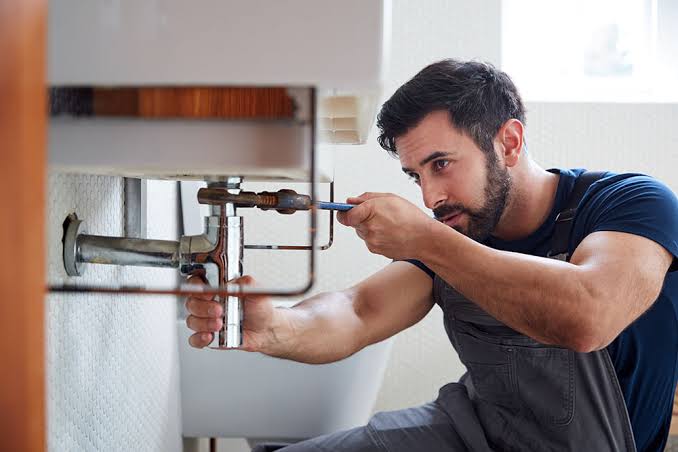
1. Prevents Costly Major Repairs
The most obvious way maintenance saves money is by catching problems early.
A small roof leak during monsoon, if ignored, can cause extensive ceiling damage, electrical short circuits, and mold growth. Repairing a minor leak might cost ₹5,000–15,000, but ignoring it could lead to ₹1–3 lakh in structural repairs and repainting. Similarly, minor cracks in exterior walls can allow water seepage, eventually weakening the building structure.
Regular inspections (at least twice a year — before and after monsoon) help identify issues like clogged gutters, cracked waterproofing, or plumbing leaks before they become disasters. Investing ₹10,000–20,000 annually in preventive maintenance can easily save ₹1–5 lakhs in major repairs over a decade.
2. Reduces Energy and Utility Bills
Poorly maintained homes are energy inefficient.
- Dirty AC filters and unserviced air conditioners can increase electricity consumption by 15–30%.
- Leaking pipes and dripping taps waste thousands of litres of water every month, inflating water bills.
- Poor insulation and unsealed windows force ACs and fans to work harder.
Simple maintenance tasks like servicing ACs before summer, cleaning fans and exhausts, sealing window gaps, and insulating rooftops can reduce monthly electricity bills by 20–40%. Over a year, this translates into significant savings, especially with rising power tariffs.
3. Extends the Life of Expensive Assets
Furniture, appliances, paint, and electrical systems last much longer with regular care.
- Polishing wooden furniture and applying termite treatment prevents costly replacements.
- Timely servicing of geysers, refrigerators, and washing machines avoids premature breakdowns.
- Regular painting and waterproofing protect walls from moisture damage.
A well-maintained home retains higher resale or rental value. Buyers and tenants prefer properties with documented maintenance history, often paying 10–20% more compared to neglected homes.
4. Avoids Emergency and Safety Costs
Emergency repairs during monsoons or summer heatwaves are always more expensive due to urgency and limited availability of labour. Regular maintenance eliminates most emergencies.
Additionally, well-maintained electrical systems and plumbing reduce the risk of accidents like short circuits or gas leaks, potentially saving medical and legal costs.
5. Improves Efficiency of Daily Living
A properly maintained home requires less time and effort for daily cleaning and management. Organized storage, functional plumbing, and efficient appliances save hours every week — time that has real monetary value in today’s busy world.
Seasonal Maintenance Framework for Indian Homes
Pre-Monsoon (March–May): Focus on waterproofing, gutter cleaning, AC servicing, and pest control.
Post-Monsoon (September–October): Repair any damage, repaint exteriors if needed, and deep clean interiors.
Winter (December–February): Service heaters, check insulation, and maintain wooden furniture.
Summer: Deep clean water tanks and focus on cooling systems.
Creating a Maintenance Budget
Allocate 1–2% of your home’s value annually for maintenance. For a ₹50 lakh apartment, this means ₹50,000–1 lakh per year — a small price for peace of mind and long-term savings.
Conclusion
Regular home maintenance is not an expense — it is a high-return investment. By addressing small issues before they become major problems, you protect your property, reduce utility costs, extend the life of assets, and maintain higher resale value. In the Indian context, where climate puts constant pressure on buildings, proactive maintenance is not optional but essential for financial prudence.
Start by creating a simple seasonal checklist and schedule professional inspections. The money you save and the comfort you gain will make the effort worthwhile. A well-maintained home is not just a financial asset — it is a source of security, pride, and happiness for your family for generations.
FAQ
Q1: How much should I budget annually for home maintenance in India?
Allocate 1–2% of your home’s current value every year. For a ₹50 lakh property, this means ₹50,000–1 lakh annually.
Q2: Is professional maintenance really necessary?
Yes. Annual professional inspections catch hidden issues like seepage, electrical faults, and structural problems that homeowners often miss.
Q3: Can regular maintenance really reduce electricity bills significantly?
Absolutely. Servicing ACs, fans, and improving insulation can reduce cooling costs by 20–40%.
Q4: What is the most important maintenance task before monsoon?
Waterproofing terraces, exterior walls, and cleaning drainage systems are the highest priority.
Q5: Does maintaining a home increase its resale value?
Yes. Well-maintained homes typically command 10–20% higher prices or rents compared to neglected properties.
Q6: How often should I service major appliances?
Air conditioners and geysers should be serviced at least once a year, preferably before peak usage seasons.
Q7: Are there low-cost ways to maintain a home effectively?
Yes. Regular cleaning, fixing small leaks immediately, proper ventilation, and using natural pest repellents like neem can significantly reduce long-term costs.