 By Ketan Kumar
 Paint peeling is one of the most common and frustrating home maintenance issues faced by Indian homeowners. You apply a fresh coat of paint, and within a few months — sometimes even weeks — it starts bubbling, cracking, and flaking off. This problem is especially widespread in India due to high humidity, heavy monsoons, temperature fluctuations, and hard water. Not only does peeling paint look unsightly, but it can also indicate deeper issues like moisture damage that may affect your home’s structural integrity.
Understanding the root causes and knowing how to fix them properly can save you time, money, and repeated headaches. This guide explains the major reasons behind paint peeling and provides step-by-step solutions.
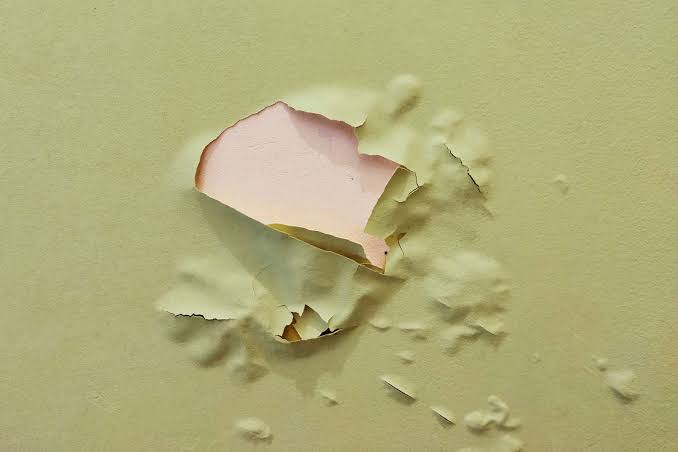
Common Causes of Paint Peeling on Walls
- Moisture and Dampness
This is the leading cause in India. High humidity, seepage from roofs, leaking pipes, or rising damp allows moisture to get trapped behind the paint film. When water tries to escape, it creates bubbles and causes the paint to peel. Bathrooms, kitchens, and exterior walls are most vulnerable.
- Poor Surface Preparation
Painting over dirty, greasy, dusty, or loose old paint prevents proper adhesion. New plaster or concrete walls that are not fully dry or lack a primer also lead to peeling.
- Incorrect Paint Type or Quality
Using interior paint on exterior walls, cheap low-quality paint, or non-washable paint in moisture-prone areas accelerates failure. Regular emulsions often cannot withstand Indian weather conditions.
- Lack of Primer or Wrong Primer
Primer seals the surface and creates a strong bonding layer. Skipping it or using an incompatible primer results in weak adhesion.
- Environmental Factors
Extreme heat causes expansion and contraction of walls. UV rays fade and weaken paint films. Monsoon rains and poor drainage worsen the situation.
- Application Mistakes
Applying thick coats, painting in high humidity, or not allowing sufficient drying time between coats are frequent errors.
- Efflorescence
White powdery deposits on walls (common in new constructions) push paint outward, causing peeling.
How to Fix Paint Peeling: Step-by-Step Guide
Step 1: Identify and Fix the Root Cause
Before repainting, solve the moisture problem. Repair leaks, improve drainage, seal cracks, and fix dampness using waterproofing compounds.
Step 2: Remove Loose Paint
Scrape off all flaking paint using a putty knife or wire brush. Sand the edges smoothly to create a gradual transition.
Step 3: Clean the Surface Thoroughly
Wash the wall with water and mild detergent or a sugar soap solution. Remove dust, grease, and efflorescence. Allow the wall to dry completely (this may take several days in humid weather).
Step 4: Repair and Prime
Fill cracks and holes with wall putty or crack filler. Sand smooth once dry. Apply a high-quality primer suitable for the surface (interior/exterior, new/old walls).
Step 5: Apply New Paint
Choose the right paint: waterproof or anti-fungal emulsions for moisture-prone areas and premium exterior paint for outside walls. Apply two to three thin, even coats. Use good quality rollers and brushes.
Step 6: Allow Proper Drying
Maintain good ventilation and avoid exposing freshly painted walls to direct rain or extreme heat during the curing period.
Prevention Tips for Long-Term Results
- Always use primer before painting.
- Choose climate-appropriate, high-quality paints from reputed brands like Asian Paints, Dulux, or Berger.
- Ensure proper waterproofing of roofs, terraces, and bathrooms.
- Maintain good ventilation and control indoor humidity.
- Schedule professional painting during dry seasons (October to March).
- Inspect walls annually, especially after monsoons.
When to Call Professionals
If peeling is widespread, accompanied by persistent damp patches, or occurs on exterior walls, it is best to consult professional painters or waterproofing experts. They can diagnose hidden issues like seepage and provide long-lasting solutions.
Conclusion
Paint peeling on walls is rarely just a cosmetic issue — it usually signals underlying problems like moisture or poor preparation. By identifying the cause early and following proper repair techniques, you can restore your walls and prevent recurrence. Indian homeowners must prioritize quality materials and climate-specific paints to combat local weather challenges effectively.
Investing time and effort in correct preparation and the right products will give you beautiful, durable walls that last for years. The next time you notice bubbling or flaking paint, don’t just cover it up — address the root cause for a permanent fix. A well-maintained painted home not only looks better but also protects your valuable property.
FAQ
Q1: Why does paint peel off in bathrooms and kitchens?
High moisture and humidity are the main reasons. Use anti-fungal, waterproof paints and ensure good ventilation.
Q2: Can I just paint over peeling paint?
No. You must scrape off loose paint, clean the surface, and prime properly for the new paint to adhere.
Q3: How long should I wait after fixing dampness before repainting?
Wait until the wall is completely dry, which may take 7–15 days or longer depending on humidity levels.
Q4: Is primer really necessary before painting?
Yes. Primer improves adhesion, seals the surface, and ensures better coverage and longevity of the topcoat.
Q5: What is the best paint to prevent peeling in India?
Premium acrylic emulsions with anti-fungal properties for interiors and elastomeric weatherproof paints for exteriors.
Q6: How can I prevent paint peeling on exterior walls?
Use high-quality weather-resistant paints, ensure proper waterproofing, and maintain good drainage around the house.
Q7: Should I hire professionals to fix peeling paint?
For small areas, you can do it yourself. For widespread peeling or exterior walls, professional help ensures better results and addresses hidden issues.