 By Ketan Kumar
 When furnishing a home in India, one of the most common dilemmas is choosing between wooden and metal furniture. Both materials have been used for generations, yet they offer vastly different experiences in terms of aesthetics, durability, maintenance, and suitability for Indian living conditions. With diverse climates — humid coastal regions, dry northern plains, and hot central India — the choice becomes even more significant. Wooden furniture brings warmth and tradition, while metal furniture offers modernity and strength. Neither is universally superior; the best option depends on your lifestyle, budget, space, and specific needs.
This comprehensive comparison will help Indian homeowners make an informed decision.
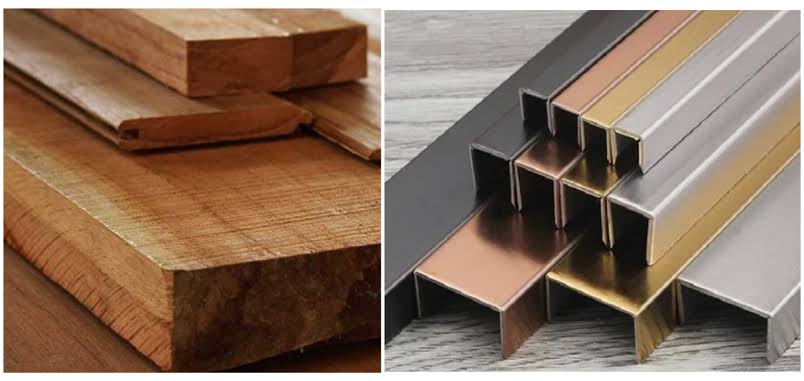
Aesthetics and Design Appeal
Wooden Furniture
Wooden pieces exude timeless elegance and natural warmth. From classic Sheesham dining tables to teak wardrobes with intricate carvings, wood blends beautifully with traditional Indian decor, ethnic artifacts, and modern minimalist styles. Each piece has unique grain patterns, making it feel personal and luxurious. It ages gracefully, developing a rich patina over time.
Metal Furniture
Metal furniture (stainless steel, wrought iron, or powder-coated mild steel) delivers a sleek, contemporary, and industrial look. It is popular in urban apartments for its clean lines and space-saving designs. However, it can sometimes feel cold or impersonal compared to the organic feel of wood.
Verdict: Wood wins for traditional and warm Indian homes, while metal excels in modern, minimalist spaces.
Durability and Longevity
Wooden Furniture
High-quality solid wood like teak or Sheesham is exceptionally durable and can last generations when properly maintained. It resists daily wear well but is vulnerable to termites, warping in high humidity, and cracking in extreme dry heat.
Metal Furniture
Metal is strong, rigid, and highly resistant to scratches and heavy loads. Powder-coated or stainless steel options resist rust better, but in humid coastal areas, untreated metal can corrode over time. It does not suffer from termite attacks.
Verdict: Wood offers better long-term value in dry to moderate climates; metal performs reliably in humid regions with proper coating.
Maintenance and Care
Wooden Furniture
Requires regular polishing, termite treatment, and protection from direct sunlight and water. Spills must be wiped immediately. Maintenance is moderate but rewarding as wood can be refinished.
Metal Furniture
Extremely low-maintenance. Most pieces can be cleaned with a damp cloth. Powder-coated metal resists stains and is easy to maintain, though rust can become an issue if the coating is damaged.
Verdict: Metal is easier for busy Indian families with less time for upkeep.
Comfort and Ergonomics
Wooden furniture, especially with good cushioning, feels warmer and more comfortable, particularly in air-conditioned rooms. Metal furniture can feel cold in winter and hot in summer unless paired with quality cushions. However, modern metal designs with ergonomic shaping are improving rapidly.
Cost Comparison
Wooden Furniture: Generally more expensive upfront, especially solid wood pieces. However, it retains resale value better.
Metal Furniture: More budget-friendly and offers good value for money. Ideal for first-time homeowners or rental properties.
Suitability for Indian Climate and Lifestyle
In humid cities like Mumbai, Chennai, or Kolkata, treated metal or waterproofed wooden furniture performs better. In drier areas like Delhi or Rajasthan, solid wood shines. For termite-prone regions, metal has a clear advantage. Indian families also value multi-functional pieces — wooden storage beds and metal sofa-cum-beds are both popular.
Eco-conscious buyers prefer wood from sustainable sources (FSC-certified), while metal is highly recyclable.
Pros and Cons Summary
Wooden Furniture Pros:
- Timeless beauty and warmth
- Excellent craftsmanship potential
- Better resale value
- Natural and eco-friendly when sourced responsibly
Wooden Furniture Cons:
- Higher maintenance
- Susceptible to termites and moisture
- Heavier and more expensive
Metal Furniture Pros:
- Strong and durable
- Low maintenance
- Termite-proof
- Modern designs and affordability
Metal Furniture Cons:
- Can feel cold or industrial
- Prone to rust in humid areas
- Limited traditional appeal
Hybrid Approach: The Smart Choice
Many Indian homeowners now opt for a hybrid solution — wooden dining tables and beds combined with metal TV units, shoe racks, and accent chairs. This balances beauty, durability, and practicality.
Final Recommendation
For traditional joint families in moderate climates who value aesthetics and longevity, wooden furniture is often the better long-term investment. For young nuclear families in urban apartments, humid regions, or those seeking low maintenance, metal furniture is more practical. Always prioritize quality — check for solid construction, proper finishes, and warranties.
When buying, visit showrooms to test comfort, measure your space accurately, and consider Vastu preferences (heavy wooden pieces in south-west directions). Reputed brands like Wooden Street, Urban Ladder, Pepperfry, and local artisans offer excellent options in both categories.
Conclusion
There is no absolute winner in the wooden vs metal furniture debate. The right choice depends on your family’s lifestyle, climate, budget, and design preferences. By weighing the pros and cons carefully, you can select furniture that not only looks beautiful but also serves your Indian home reliably for decades. Whether you lean towards the classic charm of wood or the modern resilience of metal, quality and suitability should be your guiding principles.
A thoughtfully chosen piece of furniture becomes part of your family’s story — supporting daily life, festivals, and cherished moments for years to come.
FAQ
Q1: Which is better for humid coastal cities — wood or metal?
Metal furniture (especially powder-coated or stainless steel) is generally better in humid areas as it resists moisture damage more effectively than wood.
Q2: Is wooden furniture more durable than metal?
High-quality solid wood can be more durable long-term, but metal is stronger against physical damage and termites.
Q3: Which is easier to maintain?
Metal furniture requires far less maintenance than wooden furniture.
Q4: Does wooden furniture offer better resale value?
Yes, good quality wooden furniture usually retains higher resale value compared to metal.
Q5: Can I mix wooden and metal furniture?
Absolutely. Many modern Indian homes successfully combine both for the best balance of style and functionality.
Q6: What should I check before buying wooden furniture?
Look for kiln-dried wood, proper seasoning, termite treatment, and solid joinery. Prefer Sheesham or Teak for Indian conditions.
Q7: Is metal furniture safe for children?
Yes, especially rounded designs with quality powder coating. Ensure there are no sharp edges.