 By Ketan Kumar
 Walk into any Indian kitchen and paneer will probably need no introduction. It is the hero of palak paneer, paneer butter masala, paneer bhurji, tikkas, rolls, parathas and quick protein-rich dinners. But now, another high-protein food is slowly entering Indian supermarket shelves, café menus and fitness diets—tempeh. Many people see it in the “healthy food” section and wonder: Is this like paneer? Is it better? Can it replace paneer in Indian cooking?
This question matters because Indian diets are often rich in carbohydrates but short on good-quality protein. Whether you are trying to manage weight, build muscle, eat more plant-based food, control cholesterol, reduce dairy intake or simply add variety to your meals, both paneer and tempeh can play useful roles. But they are not the same. One comes from milk, the other from fermented soybeans. One is soft and creamy, the other is firm, nutty and chewy. One feels familiar to Indian taste buds, the other may need a little adjustment.
Understanding the difference between tempeh and paneer helps you make better food choices instead of blindly following health trends. Let’s break it down in simple, practical language.
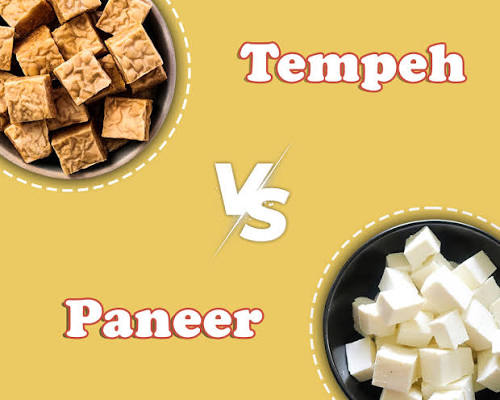
What Is Tempeh?
Tempeh is a traditional fermented soybean food that originally comes from Indonesia. It is made by cooking soybeans and fermenting them with a friendly culture, usually from the Rhizopus family. During fermentation, the soybeans bind together into a firm white block or cake.
Unlike tofu, which is smooth and soft, tempeh has a grainy, nutty and slightly earthy texture because the whole soybeans remain visible. It feels more “meaty” when cooked, which is why many vegetarians and vegans use it in stir-fries, wraps, salads, curries, sandwiches and high-protein bowls.
Tempeh is popular among people who want plant-based protein without depending only on dals, chana, rajma or paneer. It is also naturally dairy-free, making it suitable for vegans and people who cannot tolerate milk products.
What Is Paneer?
Paneer is a fresh Indian cheese made by curdling milk with an acidic ingredient like lemon juice, vinegar, citric acid or sour whey. Once the milk solids separate from the whey, they are collected, pressed and shaped into a soft block.
Paneer is not aged like many Western cheeses. It is mild, milky, soft and easy to cook. It absorbs spices beautifully, which is why it fits so naturally into Indian gravies, snacks and home-style meals.
For Indian vegetarians, paneer is one of the most loved protein sources. It is also rich in calcium because it comes from milk. However, full-fat paneer can be high in fat and calories, so portion control matters, especially for people watching weight, cholesterol or heart health.
Main Difference: Plant-Based vs Dairy-Based
The biggest difference is the source.
Tempeh is made from soybeans, so it is plant-based. It contains no milk, no lactose and no cholesterol. This makes it useful for vegans, lactose-intolerant people and those trying to reduce animal-based foods.
Paneer is made from milk, so it is dairy-based. It is vegetarian but not vegan. It contains milk protein, fat, calcium and some lactose, depending on preparation.
This difference affects everything—digestion, taste, cooking style, nutritional value and who should choose which one.
Protein: Which One Is Better?
Both tempeh and paneer are good protein foods, but their protein profiles are slightly different.
Paneer usually provides around 18–21 grams of protein per 100 grams, depending on milk type and brand. It is a complete protein because milk contains all essential amino acids. This makes paneer helpful for muscle repair, children’s growth, vegetarian diets and post-workout meals.
Tempeh also gives roughly 19–20 grams of protein per 100 grams. Since it is made from soybeans, it is also considered a good-quality plant protein. This is one reason tempeh is popular in fitness and plant-based diets.
So, in terms of protein, both are strong options. The real difference is not just protein quantity but what comes along with it. Paneer brings more dairy fat and calcium. Tempeh brings fibre and fermentation benefits.
Fibre: Tempeh Has a Clear Advantage
This is one area where tempeh is ahead. Paneer has almost no fibre because it is made from milk. Tempeh contains fibre because it is made from whole soybeans.
Fibre helps you feel full for longer, supports digestion and can help keep meals more balanced. For people trying to lose weight or reduce unnecessary snacking, tempeh can be a smart choice.
That does not make paneer unhealthy. It simply means paneer should ideally be paired with fibre-rich foods like vegetables, salad, millet roti, dal, beans or whole grains. Paneer with butter naan and creamy gravy every day is very different from paneer with stir-fried vegetables and salad.
Fat and Calories: Paneer Can Be Heavier
Full-fat paneer is usually higher in fat and calories than tempeh. This is why paneer dishes can become heavy when cooked with butter, cream, oil, cashew paste or rich gravies.
Tempeh contains fat too, but it is generally less creamy and less calorie-dense than full-fat paneer. It also has no cholesterol because it is plant-based.
If your goal is weight loss, cholesterol control or lighter meals, tempeh may be easier to fit into your diet. If you love paneer, you do not have to avoid it completely. Choose low-fat paneer when needed, use smaller portions and avoid deep-frying it.
Taste and Texture: Paneer Is Soft, Tempeh Is Nutty
Paneer tastes mild, creamy and milky. Its texture is soft and slightly spongy. It easily absorbs Indian masalas, which is why it works so well in gravies and tikkas.
Tempeh tastes nuttier, earthier and stronger. Some people enjoy it immediately, while others need time to develop a taste for it. Its texture is firm and chewy, closer to a dense cutlet or mushroom-like bite than soft paneer.
If you are trying tempeh for the first time, do not eat it plain and expect paneer-like softness. Steam it or marinate it first, then cook it with strong Indian spices like ginger, garlic, cumin, coriander, turmeric, chilli, garam masala or tandoori masala.
Digestion: Fermented Soy vs Milk Protein
Tempeh is fermented, and fermentation can make soybeans easier to digest for many people. Compared to plain boiled soybeans, tempeh may feel lighter for some because fermentation breaks down certain compounds.
Paneer is also easier for many Indians to digest compared to milk, but people with dairy sensitivity, lactose intolerance or milk-protein issues may still feel bloating, heaviness or discomfort after eating it.
Digestive comfort is personal. Some people digest paneer very well but find soy heavy. Others feel better with tempeh than dairy. The best way is to start with a small portion and notice how your body responds.
Cooking Tempeh in Indian Style
Tempeh can work well in Indian cooking if you treat it differently from paneer. Since it is firmer and has a stronger taste, marination is important.
You can cut tempeh into cubes, steam it for a few minutes, then marinate it with curd or plant-based curd, ginger-garlic paste, chilli powder, turmeric, garam masala and lemon juice. After that, sauté, grill or air-fry it.
You can use tempeh in tikka, bhurji, pulao, wraps, stir-fry, curry bowls, millet bowls, sandwiches and salads. It also works well with South Indian flavours like curry leaves, mustard seeds, sambar powder and coconut-based masalas.
Avoid simply adding raw tempeh cubes directly into a mild gravy. It may taste bland or slightly bitter. A good marinade makes a big difference.
Cooking Paneer in a Healthier Way
Paneer is already familiar, but the way we cook it often decides whether it remains healthy or becomes too heavy.
Instead of deep-frying paneer, lightly sauté it or add it directly to the curry. Avoid making every paneer dish restaurant-style with butter, cream and excess oil. For daily meals, paneer bhurji with capsicum, tomato and onion is better than rich paneer butter masala.
You can also use paneer in salads, rolls, grilled tikkas, stuffed cheela, paneer besan chilla, vegetable stir-fries and light curries. If you are watching calories, keep the portion moderate and increase vegetables around it.
Which Is Better for Weight Loss?
Tempeh may be slightly better for weight loss because it offers protein along with fibre and is usually less rich than full-fat paneer. It keeps the meal filling without making it too creamy or heavy.
However, paneer can also fit into a weight-loss diet if you choose low-fat paneer, control portion size and avoid oily gravies. A plate of paneer tikka with salad can be weight-loss friendly. A bowl of creamy paneer curry with butter naan may not be.
So, the better choice depends on cooking style, portion and the rest of the meal.
Which Is Better for Muscle Gain?
Both can support muscle gain because both provide good protein. Paneer is easy to include in Indian diets and works well for people who eat dairy. Tempeh is excellent for those who want plant-based protein.
For muscle gain, total daily protein matters more than one single food. You can use paneer, tempeh, dal, chana, rajma, curd, eggs, chicken, fish, tofu, soya chunks and nuts depending on your diet preference.
If you are vegetarian and bored with paneer, tempeh can add useful variety.
Which Is Better for Vegans?
Tempeh is clearly better for vegans because it is completely plant-based. Paneer is made from milk, so it does not fit a vegan diet.
Tempeh can be a strong replacement in dishes where you want a firm, protein-rich ingredient. It will not taste exactly like paneer, but it can give a satisfying bite.
Which One Should Indian Families Choose?
For most Indian homes, this does not have to be a fight between tempeh and paneer. Both can be used smartly.
Choose paneer when you want a familiar, calcium-rich, dairy-based protein that fits easily into Indian dishes. Choose tempeh when you want plant-based protein, more fibre, less dairy dependence and a change from regular paneer meals.
If you are new to tempeh, start with once or twice a week. Keep paneer for other meals. This gives variety and prevents boredom.
A balanced Indian diet should not depend on only one protein source. Rotating paneer, tempeh, dal, sprouts, chana, rajma, curd, tofu and nuts can make meals healthier and more interesting.
FAQs
Q1. Can tempeh replace paneer in Indian recipes?
Yes, tempeh can replace paneer in many recipes like tikka, bhurji, rolls, stir-fries and curry bowls. However, it will not taste exactly like paneer. Tempeh is firmer and nuttier, so marinate it well before cooking.
Q2. Is tempeh better than paneer for cholesterol?
Tempeh may be a better option for people watching cholesterol because it is plant-based and contains no cholesterol. Full-fat paneer contains dairy fat, so it should be eaten in controlled portions if cholesterol is a concern.
Q3. Does tempeh cause gas or bloating?
Some people may feel gas or bloating when they first start eating tempeh because it is made from soybeans. Start with a small portion, cook it properly and avoid eating too much at once. Many people tolerate it better after a few tries.
Q4. Which is better for daily protein: paneer or tempeh?
Both are good protein sources. Paneer is better if you want a familiar dairy-based option rich in calcium. Tempeh is better if you want plant-based protein with fibre. For daily health, rotating both with other protein foods is the best approach.
 Saurav Mehra