 By Ketan Kumar
 In India, some of the best health foods are not found in fancy imported boxes—they are already sitting quietly in our traditional kitchens. Sattu is one such food. For people in Bihar, Jharkhand, Uttar Pradesh, West Bengal and parts of Madhya Pradesh, sattu is not a new “superfood”; it is a daily energy drink, a summer cooler, a travel-friendly meal and a pocket-friendly protein source rolled into one.
Today, when everyone is talking about protein powders, expensive shakes, gym diets and weight-loss drinks, sattu is making a strong comeback. Why? Because it is simple, affordable, filling and easy to prepare. You do not need a blender, gas stove or complicated recipe. One glass of sattu drink can help you feel full, support digestion, give steady energy and add plant protein to your diet.
For Indian readers, this matters in real life because many regular meals are heavy on rice, roti, poha, upma, paratha or snacks, but low in protein. This can lead to frequent hunger, weakness, sugar cravings and poor muscle strength over time. Sattu is not magic, but it is a practical food that can improve everyday nutrition when used correctly.
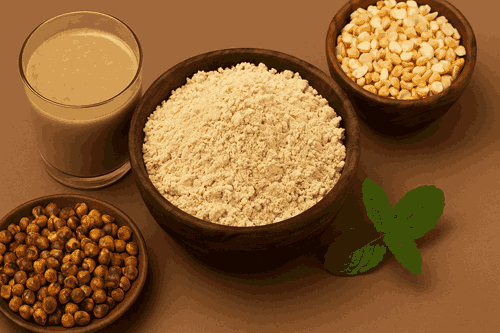
What Is Sattu Powder?
Sattu powder is usually made from roasted Bengal gram, also known as roasted chana. The roasted gram is ground into a fine flour and used to make drinks, parathas, litti, laddoos, porridge and stuffing.
In some regions, sattu may also be made from barley, wheat, maize or mixed grains, but the most popular and protein-rich version is chana sattu. It has an earthy, nutty taste and can be used in both sweet and salty recipes.
The best part is that sattu is already roasted, so it does not require cooking. You can mix it with water, lemon, roasted cumin powder, black salt and onion for a salty drink, or with milk, jaggery and cardamom for a sweet version.
Why Sattu Is Called an Indian Plant Protein Drink
Sattu is called a plant protein drink because it comes from gram, which is a pulse. Pulses are important protein sources in Indian vegetarian diets. One glass of sattu drink can add useful protein to the day, especially for people who do not eat eggs, chicken or fish.
However, it is important to understand one thing clearly: sattu should not be treated exactly like a gym protein supplement. It contains protein, but it also contains carbohydrates and fibre. This makes it more like a wholesome food drink, not an isolated protein powder.
For most people, this is actually a good thing. Sattu gives protein along with natural fibre and minerals, making it more filling than many sugary drinks or refined snacks.
Main Benefits of Sattu Powder
1. Helps You Stay Full for Longer
One of the biggest benefits of sattu is satiety. A glass of sattu drink feels filling because it contains protein and fibre. This can help people who feel hungry soon after breakfast or crave snacks between meals.
For example, if you usually drink tea with biscuits in the evening and feel hungry again, replacing that with a salty sattu drink may keep you satisfied for longer. It can also reduce the habit of eating fried snacks like samosa, chips or namkeen.
This makes sattu useful for students, office workers, homemakers and anyone who wants a simple, filling option without too much cooking.
2. Supports Better Digestion
Sattu contains fibre, which supports bowel movement and digestive comfort. When taken with enough water, it may help people who struggle with irregular stools due to low-fibre diets.
But there is a small caution. If your body is not used to high-fibre foods, suddenly drinking too much sattu may cause gas or bloating. Start with one or two tablespoons and increase slowly.
Also, do not make sattu very thick like a paste if you are drinking it. Add enough water so it becomes easy to digest.
3. Gives Steady Energy in Summer
Sattu has long been used as a summer drink in many Indian states. A salty sattu drink with water, lemon, roasted jeera and black salt can feel refreshing during hot afternoons.
It does not give a quick sugar rush like packaged cold drinks. Instead, it provides more stable energy because it has complex carbs, protein and fibre. This is why many labourers, farmers and travellers traditionally used sattu as a practical energy food.
In summer, when heavy meals feel uncomfortable, sattu can be a light but satisfying option. Just avoid adding too much salt, especially if you have high blood pressure.
4. Helpful for Weight Management
Sattu can support weight management because it keeps you full and may reduce unnecessary snacking. A salty sattu drink before evening cravings can stop you from reaching for biscuits, fried snacks or sweets.
But sattu will not help with weight loss if you add too much sugar, jaggery, ghee or eat it along with heavy meals. The recipe matters.
For weight loss, the best version is a salty sattu drink made with water, lemon, roasted cumin, coriander leaves and a small pinch of salt. Avoid making it sweet every day.
5. Budget-Friendly Protein for Indian Families
Many protein-rich foods are becoming expensive. Paneer, nuts, protein powders, quinoa and imported health foods may not fit every family’s budget. Sattu is affordable and widely available in many parts of India.
It is especially useful for vegetarian families who want to increase protein without changing their food habits too much. You can add it to drinks, paratha stuffing, cheela batter, roti dough or even homemade energy balls.
This makes sattu a realistic nutrition upgrade for everyday Indian kitchens.
How to Make a Healthy Sattu Drink
The classic salty sattu drink is simple.
Take two tablespoons of sattu in a glass. Add a little water first and mix well to avoid lumps. Then add more water, lemon juice, roasted cumin powder, chopped coriander, finely chopped onion if you like, and a small pinch of black salt or regular salt. Stir well and drink fresh.
For a sweeter version, mix sattu with water or milk and add a small amount of jaggery, cardamom or dates. This can work for children, active people or those who need extra calories. But if you have diabetes or are trying to lose weight, avoid the sweet version or take it only occasionally.
Best Time to Drink Sattu
Sattu can be taken in the morning as a light breakfast, especially when you are in a hurry. It can also be taken as a mid-morning drink or evening snack replacement.
In summer, many people prefer it during the afternoon because it feels cooling and filling. If you work out, sattu can be used as a post-workout homemade drink, but you may need to combine it with other protein foods during the day to meet total protein needs.
Avoid drinking a very heavy sattu shake late at night if you have digestion issues.
Sattu for Diabetes: Is It Safe?
Sattu can be a better option than sugary drinks, refined snacks and sweetened packaged beverages. Its fibre and protein may help slow digestion compared to simple sugar-based drinks.
But diabetics should be careful with the recipe. Do not add sugar, jaggery or sweet syrups. Use water, lemon, jeera, coriander and very little salt. Also, portion size matters because sattu still contains carbohydrates.
If you monitor blood sugar, check your response after drinking sattu. Different people can react differently depending on quantity, meal timing and medicines.
Sattu for Gym and Muscle Gain
Sattu can support muscle health because it adds plant protein to the diet. But gym-goers should not depend only on sattu for protein. Muscle gain requires enough total protein, strength training, sleep and balanced meals.
You can combine sattu with curd, milk, peanuts, sprouts, dal, paneer, eggs or other protein foods depending on your diet. For vegetarians, sattu is a useful addition, not the only solution.
If you are already taking protein supplements, sattu can still be used as a natural snack drink, but do not overload your diet without checking your total calorie and protein intake.
Who Should Be Careful With Sattu?
Sattu is healthy for many people, but it may not suit everyone in large amounts.
People with frequent gas, bloating or irritable digestion should start with a small portion. Those with kidney disease should ask their doctor before increasing protein-rich foods. People with high blood pressure should avoid adding too much salt or black salt. Anyone allergic to chana or pulses should avoid sattu.
Also, store sattu properly in an airtight container. If it smells stale, bitter or damp, do not use it.
How to Choose Good Sattu Powder
Buy sattu from a trusted brand or a reliable local mill. Good sattu should smell roasted and nutty, not musty. It should be dry, smooth and free from insects or moisture.
Check the ingredient list. Ideally, chana sattu should contain roasted gram flour without unnecessary additives. Avoid products with added sugar, artificial flavours or too much salt if you want a healthy daily drink.
If buying loose sattu, buy in small quantities and use it fresh.
Practical Ways to Add Sattu to Indian Meals
Sattu is not limited to drinks. You can use it in many simple ways.
Make sattu paratha with onion, ajwain, lemon, coriander and spices. Add a spoon of sattu to roti dough to improve nutrition. Use it in litti stuffing for a traditional meal. Mix it with curd for a thick savoury dip. Add it to cheela batter for a more filling breakfast.
The idea is to use sattu as a smart upgrade, not as a forced health trend.
FAQs
Q1. Can I drink sattu every day?
Yes, many people can drink sattu daily in moderate quantity. Start with one to two tablespoons in a glass of water. If it suits your digestion, you can continue it as a breakfast drink or evening snack replacement.
Q2. Is sattu better than protein powder?
Sattu is a natural food drink, while protein powder is a concentrated supplement. For most healthy people, sattu is a practical and affordable protein-rich option. But athletes or people with high protein needs may require a more planned protein intake.
Q3. Can sattu help in weight loss?
Sattu may support weight loss by keeping you full and reducing snack cravings. Use the salty version with water, lemon and jeera. Avoid adding sugar, jaggery or too much ghee if weight loss is your goal.
Q4. Can children drink sattu?
Yes, children can drink sattu if they digest it well. Start with a small amount and make it tasty with milk, cardamom or a little jaggery if needed. Do not force large quantities, and keep the overall diet balanced.
 Saurav Mehra