 By Ketan Kumar
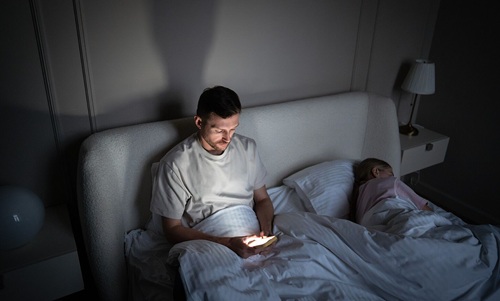
 It’s past midnight, and you’re still there, thumb moving almost on its own, jumping from a cricket highlights reel to a political argument in the comments to someone’s vacation photos to a distressing news headline, and somehow another forty minutes has disappeared. You didn’t plan this. You picked up your phone to check one WhatsApp message. Now you’re wide awake, faintly anxious, and tomorrow’s 9 AM meeting suddenly feels a lot closer than it did an hour ago.
If this sounds painfully familiar, you’re genuinely not alone. Recent research from the American Academy of Sleep Medicine found that more than a third of adults say viewing content on their phone before bed makes their sleep noticeably worse, and the numbers climb even higher for younger adults. For working professionals across Indian cities already dealing with long commutes, demanding jobs, and irregular schedules, doomscrolling isn’t just a bad habit anymore, it’s quietly eating into the one thing that’s supposed to recover you for the next day.
Understanding Why Your Brain Falls For This Every Single Night
Doomscrolling isn’t simply a willpower failure, and understanding the actual mechanism behind it makes it considerably easier to interrupt. What separates doomscrolling from ordinary phone checking is the loss of intentionality. You open the app to check one notification, and somehow you surface much later having consumed content you never actively chose, feeling worse than before you started, yet reaching for the phone again within hours anyway.
Two things are happening simultaneously here. First, blue light exposure from your screen suppresses melatonin, the hormone your body needs to signal it’s time to sleep. Second, and this matters more than people realise, consuming stimulating or emotionally charged content, arguments, distressing news, dramatic reels, keeps your brain in a state of heightened alertness that has nothing to do with light exposure at all. Your cortisol, the stress hormone, rises, and falling asleep becomes genuinely harder even after you finally put the phone down.
The Real Cost Isn’t Just a Later Bedtime
It’s tempting to think the only consequence of an extra hour of scrolling is simply losing an hour of sleep. The actual impact runs deeper. Research from the University of California, Irvine found it takes an average of over twenty-three minutes to fully regain focus after a single interruption, and doomscrolling sessions are essentially a continuous stream of these interruptions, fragmenting your attention in ways that persist well after you’ve stopped scrolling.
This is exactly why you can put your phone down at midnight, close your eyes, and still find your mind racing through disconnected thoughts, replaying an argument you read in the comments, worrying about a headline you barely registered. Your brain hasn’t actually switched off, it’s still processing the emotional residue of everything you just consumed.
Set a Digital Sunset, Not Just a Bedtime
The single most effective structural change is establishing a genuine digital sunset, a fixed point thirty to sixty minutes before you actually intend to sleep, after which your phone simply isn’t part of the picture anymore. This isn’t about willpower in the moment, it’s about removing the decision entirely by making it a consistent, non-negotiable boundary rather than something you renegotiate with yourself every single night.
The Academy of Sleep Medicine’s own guidance echoes this directly, recommending adults avoid blue light from handheld devices for thirty to sixty minutes before bedtime. Treat this window the way you’d treat any other fixed evening ritual, brushing your teeth, changing into night clothes, something that happens automatically rather than something you have to talk yourself into each time.
Physically Remove the Phone From Arm’s Reach
This sounds almost too simple to matter, but reducing friction genuinely changes behaviour more reliably than relying on discipline alone. If your phone charges on your nightstand, within easy reach the moment you wake up at 2 AM or can’t immediately fall asleep, you will pick it up. This isn’t a character flaw, it’s simply how habit loops work.
Move your charging point outside the bedroom entirely, or at minimum, across the room rather than beside your pillow. Getting up to physically retrieve your phone creates just enough friction to interrupt the automatic reach, and in that small pause, you often realise you don’t actually need to check anything at all.
Replace the Habit Rather Than Just Removing It
Simply telling yourself to stop scrolling rarely works long-term, because you’re leaving a genuine gap where the habit used to sit, and your brain will look for something to fill it. The more sustainable approach is replacing doomscrolling with a calming alternative that still gives your hands and mind something to do during that wind-down window.
Reading a physical book, journaling for a few minutes about your day, some gentle stretching, or simply sitting quietly with a cup of chamomile tea all serve the same function scrolling was providing, occupying your attention, but without the cortisol spike and blue light exposure that comes with your phone. These activities genuinely signal safety and calm to your nervous system, which is precisely the opposite of what an emotionally charged Instagram reel does right before you try to sleep.
Curate What You’re Actually Consuming, Not Just When
Even if you manage to stop scrolling exactly on schedule, the content itself matters considerably. Consistently exposing yourself to distressing news, heated arguments, or anxiety-inducing content, even during the day, builds a baseline of stress that follows you into the evening regardless of when you put the phone down.
It’s worth being deliberate about muting or unfollowing accounts that consistently leave you feeling worse after scrolling, and consciously curating your feed to include less emotionally charged content, particularly for anything you’re likely to check in the hour before bed. This isn’t about avoiding reality or staying uninformed, it’s about recognising that certain content genuinely doesn’t belong in your wind-down routine, the same way you wouldn’t watch an intense thriller right before trying to fall asleep.
Use App Timers and Focus Modes as Genuine Guardrails
Most smartphones now include built-in tools specifically designed to interrupt mindless scrolling, app timers, focus modes, and scheduled downtime settings. These aren’t foolproof, and you can always override them, but the small interruption they create, a notification telling you that you’ve hit your daily limit on a specific app, is often enough to break the trance-like state doomscrolling puts you in.
Set these limits during a calm moment in the day, not in the middle of a scrolling session when you’re least motivated to follow through. Treat these tools as a support system rather than a punishment, they’re simply there to catch you at exactly the moment your own awareness tends to slip.
Reset Your Mornings to Support Better Evenings
This might seem counterintuitive, but how you start your day genuinely affects how easily you wind down at night. Getting natural morning light exposure shortly after waking helps regulate your circadian rhythm, making it easier for your body to naturally feel sleepy at an appropriate hour in the evening, rather than fighting against a rhythm that’s already been thrown off by late nights and irregular light exposure.
If your mornings currently start with the same reflexive phone-checking that ends your nights, that’s genuinely worth addressing too, since a day that begins with immediate digital stimulation tends to set a pattern that’s harder to break come evening.
Frequently Asked Questions
Q1. Is it enough to just switch to night mode or blue light filters instead of putting my phone away entirely?
Not really, since blue light is only part of the problem. Night mode reduces the light-based melatonin suppression, but it doesn’t address the cognitive arousal from emotionally charged content, which is often the bigger factor keeping your mind racing after you’ve stopped scrolling.
Q2. I keep setting app timers, but I just tap “ignore” and keep scrolling anyway. What actually works better?
Combining a timer with physical distance genuinely works better than either alone. Setting the app limit and also charging your phone outside the bedroom means even if you override the timer once, you’re less likely to keep the phone within reach for repeated late-night checking.
Q3. How long does it typically take to notice better sleep after cutting down on nighttime scrolling?
Many people notice a difference within just a few nights of consistently maintaining a digital sunset, though the full benefit, feeling genuinely rested and less mentally foggy, tends to build more noticeably after about one to two weeks of consistent practice rather than occasional effort.
Q4. What if my doomscrolling is tied to genuine anxiety about work or personal issues, not just habit?
If scrolling feels driven by underlying anxiety rather than simple habit, addressing that anxiety directly, through journaling, talking to someone, or professional support if it’s significantly affecting your daily functioning, matters more than just changing your phone habits alone, since the scrolling in that case is often a symptom rather than the root cause.