 By Saurav Mehra
 Picture this: you get your blood test results back, and the number staring at you is higher than you’d like. Your first instinct might be to panic or reach straight for medication. But here’s something worth knowing — for a large number of people, especially those in the early or prediabetic stage, a handful of consistent daily habits can bring blood sugar down meaningfully, sometimes even into a healthy range, without a single pill.
India happens to sit at an interesting crossroads here. Our traditional kitchens are stocked with ingredients that modern research is now validating — methi, karela, jamun, dalchini — while our modern lifestyles have quietly worked against us with sedentary jobs, late dinners, and sugar hiding in places we don’t expect. The good news is that fixing this doesn’t require an expensive gym membership or imported superfoods. It just requires knowing what actually works and sticking with it.
Here’s a practical breakdown of what you can realistically do at home, starting today.
Rethink Your First Meal of the Day
Breakfast sets the tone for your blood sugar all day. Swapping white bread, cornflakes, or sugary tea-and-biscuit combos for poha loaded with vegetables, moong dal chilla, or idli with sambar gives your body slow-releasing energy instead of a quick spike followed by a crash. If you’re someone who skips breakfast entirely thinking it saves calories, that habit often backfires — it leads to overeating later and bigger sugar swings.
Bring Fenugreek Into Your Routine
Methi seeds are one of the most researched natural options for blood sugar support, largely because of their soluble fibre content, which slows down how fast carbohydrates get absorbed. Soaking a teaspoon of seeds in water overnight and drinking the water (along with chewing the seeds) first thing in the morning is a habit followed in households across the country for generations. Give it a few weeks of consistency before expecting to see a difference.
Don’t Underestimate Karela
Bitter gourd isn’t everyone’s favourite vegetable, but it contains compounds that behave somewhat like plant-based insulin, helping cells use glucose more effectively. A small glass of karela juice, or simply including it as a sabzi two or three times a week, is a low-effort way to support glucose metabolism over time.
Walk After Meals, Not Before
This is one of the simplest and most underrated changes you can make. A 15 to 20-minute walk after lunch or dinner helps muscles absorb glucose from the bloodstream almost immediately, blunting the after-meal spike that’s often the biggest contributor to poor sugar control. You don’t need a treadmill or a park — a walk around your building compound or terrace works just as well.
Choose Your Carbs Wisely, Not Zero Carbs
Cutting out rice and roti completely is neither necessary nor sustainable for most Indian households. What actually helps is swapping white rice for options like brown rice, red rice, or millets such as jowar and bajra, which digest more slowly. Pairing any carb-heavy meal with dal, vegetables, or a small amount of ghee also slows down the sugar release, keeping levels steadier.
Get Serious About Sleep
Poor or irregular sleep throws off insulin sensitivity more than most people realise. Staying up late scrolling through your phone or working irregular shifts can push your fasting sugar levels higher the next morning, even if your diet was perfectly on point the day before. Aiming for consistent sleep timing, even on weekends, makes a genuine difference over a few weeks.
Manage Stress Instead of Ignoring It
Chronic stress triggers the release of cortisol, a hormone that pushes blood sugar upward as part of the body’s natural “fight or flight” response. In today’s work culture, that response rarely gets a chance to switch off. Simple daily practices — ten minutes of pranayama, a short walk outdoors, or even stepping away from screens for a bit — can lower this stress-driven sugar spike over time.
Add Cinnamon and Amla Where You Can
Both dalchini and amla have shown promising effects on insulin sensitivity and overall metabolic health in various studies. A pinch of cinnamon in your morning tea, or a small piece of amla eaten raw or as murabba, is an easy addition that fits naturally into most Indian diets without requiring any drastic changes.
Track Your Numbers, Don’t Just Guess
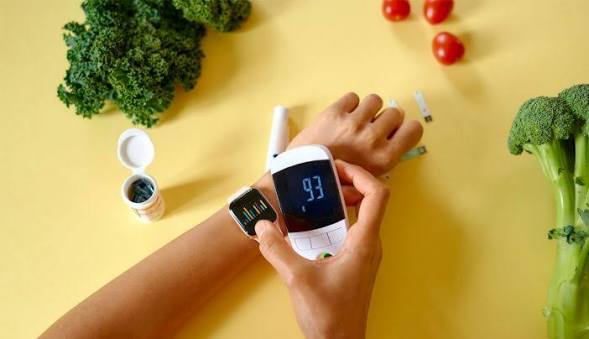
Testing your blood sugar before a meal and again two hours after gives you real insight into which foods spike your levels and which ones don’t. A basic home glucometer costs very little and removes the guesswork — you’ll often be surprised by which “healthy” foods you assumed were fine actually aren’t, and vice versa.
FAQs
Q1. Can natural methods alone bring blood sugar fully back to normal?
For prediabetes and early-stage cases, consistent diet and lifestyle changes can bring numbers back to a healthy range for many people. For those already diagnosed with diabetes and on medication, natural methods work best alongside treatment, not as a replacement for it.
Q2. How long before I notice a real difference in my blood sugar?
Most people start seeing measurable changes within 4 to 6 weeks of consistent effort, though fasting sugar levels can sometimes respond a little faster than post-meal readings.
Q3. Is it safe to combine multiple home remedies like methi, karela, and cinnamon together?
Generally yes, since these are food-based and used in modest quantities, but it’s worth checking with your doctor if you’re also on diabetes medication, since combining several sugar-lowering approaches at once can occasionally push levels lower than intended.
Q4. Does cutting out rice and roti completely help control sugar faster?
Not necessarily. Completely eliminating carbs often leads to fatigue and isn’t sustainable long-term. Choosing better quality carbs and controlling portion size tends to give steadier, more lasting results than extreme restriction.
 Ketan Kumar