 By Saurav Mehra
 Someone finishes a plate of chicken biryani, sits back on the sofa to watch TV, and within twenty minutes feels that familiar burning climb up from their chest into their throat. They’ve had this exact experience enough times now to know it’s coming — the meal was fried, it was heavy, and they lay back too soon after eating. What most people don’t realise is how much of this is genuinely predictable and preventable through specific, targeted changes to what and how you eat, rather than just keeping an antacid strip in every drawer of the house.
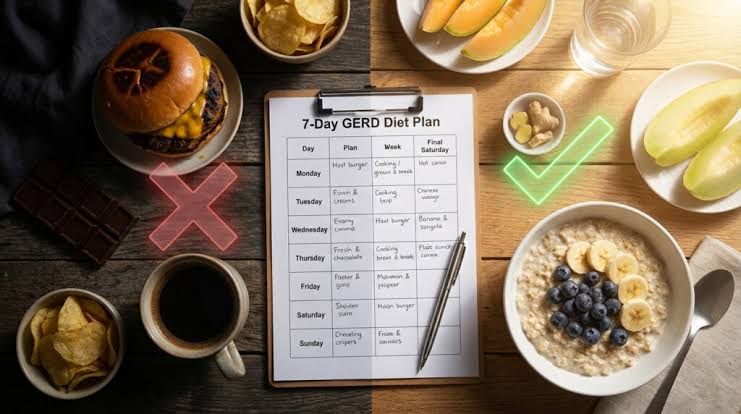
Why Food Choices Actually Change What’s Happening in Your Body
Acid reflux happens when the ring-like muscle separating your stomach from your food pipe — the lower oesophageal sphincter — relaxes at the wrong moment, letting stomach acid travel back up where it doesn’t belong. Diet doesn’t directly cause this muscle to weaken, but certain foods genuinely make it relax more often or increase how much acid your stomach produces in the first place, which is exactly why specific dietary changes can meaningfully reduce symptoms even without medication.
Fried and Fatty Foods Are the Biggest Culprit Worth Addressing First
Fat takes considerably longer to digest than other foods, meaning it sits in your stomach longer, and that extended digestion window gives acid more opportunity to travel backward. This is a genuinely important detail for Indian eating patterns specifically — pakoras, puris, and heavy ghee-laden curries are exactly the kind of meal that sets off reflux hours later. The fix isn’t eliminating flavour, it’s shifting cooking methods: grilled, steamed, or lightly sautéed versions of the same proteins and vegetables genuinely produce far fewer symptoms than their deep-fried counterparts.
Spice Levels Genuinely Matter, But Maybe Not as Much as You’d Expect
Spicy food gets blamed constantly, and for some people it genuinely is a trigger, directly irritating an already-sensitive oesophagus. But it’s worth knowing this affects people quite differently — some can handle a fair amount of heat without any issue, while others react to even mild spice. Rather than assuming you need to abandon Indian cuisine’s flavour profile entirely, tracking your own reaction to specific dishes over a couple of weeks tells you far more than a generic “avoid spicy food” rule ever could.
Citrus, Tomatoes, and Vinegar-Based Foods Genuinely Irritate an Already Inflamed Pipe
Oranges, lemons, tamarind, and tomato-heavy gravies are all quite acidic, and for someone with an already irritated oesophagus, this acidity genuinely intensifies the burning sensation rather than causing the reflux itself. This is worth knowing specifically because so many Indian dishes lean on tomato and tamarind as a base — sambar, rasam, and tomato-based curries can all genuinely be reasonable to eat in smaller portions, but worth noticing if they’re consistently triggering symptoms for you specifically.
Caffeine, Chocolate, and Carbonated Drinks Relax the Valve You’re Trying to Keep Shut
Coffee, strong chai, chocolate, and fizzy drinks all genuinely relax the lower oesophageal sphincter directly, which is precisely the mechanism you’re trying to avoid triggering. This doesn’t necessarily mean giving up your morning chai entirely, but noticing whether a strong cup on an empty stomach specifically triggers symptoms, versus a milder cup after a proper breakfast, genuinely helps you find where your own threshold sits rather than assuming total elimination is the only option.
What to Actually Build Your Plate Around Instead
Oatmeal, whole grains, root vegetables like sweet potato and carrot, leafy greens, bananas, and lean proteins like chicken or fish prepared without heavy oil are all genuinely gentler on a reflux-prone system. Fibre specifically deserves attention here — diets higher in fibre are genuinely linked to reduced heartburn frequency, making dal, whole wheat roti, and vegetables a genuinely smart foundation rather than an afterthought squeezed in around the “avoid” list.
Portion Size and Meal Timing Genuinely Matter as Much as What’s on the Plate
A large meal stretches your stomach and increases pressure against that already-weak valve, which is exactly why a smaller plate eaten slowly tends to cause noticeably less trouble than the same food in a larger portion. Eating your last meal at least two to three hours before lying down matters just as much — this single timing change genuinely resolves nighttime reflux for a meaningful number of people who’d otherwise blame the food itself when the real issue was simply eating too close to bedtime.
A Few Specific Habits Worth Testing for Yourself
Drinking large amounts of water during meals can add pressure on the stomach and worsen reflux for some people, so sipping rather than gulping alongside meals is worth trying. Chewing gum after eating genuinely increases saliva production, which helps neutralise acid naturally. And it’s worth knowing that popular home remedies like ginger, peppermint, and lemon water — often recommended for digestive discomfort generally — can actually worsen GERD specifically for some people, so these are genuinely worth testing cautiously rather than assuming they’ll help by default.
Elevating Your Head While Sleeping Complements Everything Else on This List
This isn’t strictly a dietary change, but it pairs so directly with meal timing that it’s worth mentioning here. Propping your upper body up slightly while sleeping, rather than lying completely flat, uses gravity to help keep stomach contents where they belong, and it genuinely makes a noticeable difference for people whose symptoms flare specifically at night.
When Diet Alone Genuinely Isn’t Enough
For people with infrequent, mild reflux, dietary change alone is often genuinely sufficient. But if symptoms are frequent, severe, or persist despite consistent effort with these changes, that’s a signal medication or further medical evaluation is genuinely needed rather than continuing to adjust your diet indefinitely on your own.
Frequently Asked Questions
Q1. Do I have to give up spicy food completely if I have acid reflux?
Not necessarily — reaction to spice varies considerably from person to person. Tracking your symptoms against specific meals over a couple of weeks tells you whether spice is genuinely your trigger or whether something else, like the oil content or portion size, is the real culprit.
Q2. Is it true that drinking water during meals can worsen my reflux?
For some people, yes — large amounts of water alongside food can add pressure to an already-full stomach and push acid upward. Sipping small amounts rather than drinking a full glass during a meal is a reasonable adjustment worth testing.
Q3. Can home remedies like ginger tea or lemon water genuinely help with acid reflux?
This varies by individual — while these are commonly recommended for general digestive discomfort, some evidence suggests they can actually worsen GERD symptoms specifically for certain people. It’s worth trying cautiously and stopping if you notice your symptoms getting worse rather than better.
Q4. How long should I try dietary changes before deciding they’re not working for my acid reflux?
Give consistent changes about two to three weeks while tracking your symptoms, since it takes a bit of time to identify your specific trigger foods and see genuine improvement. If symptoms remain frequent or severe despite this effort, it’s a reasonable point to discuss medication or further testing with your doctor.
 Ketan Kumar