 By Saurav Mehra
 Someone gets their lipid panel back showing borderline-high LDL, and their doctor mentions statins as an option — “but let’s try lifestyle changes first for a few months and see where we land.” That conversation happens in clinics across India constantly, and for a genuine majority of people, it’s not just a polite stalling tactic. Diet, movement, and a handful of specific daily habits can meaningfully move your numbers, sometimes by 20% or more, without a single tablet. It’s worth understanding exactly which changes carry real evidence behind them, rather than assuming any vague “eat healthy” advice will do the trick.
Your Liver Makes Most of Your Cholesterol, Not Your Plate
Here’s a detail that surprises people: only about 20% of your cholesterol comes from what you eat. The remaining 80% gets manufactured by your liver and other cells in your body. This matters because it explains why cutting out egg yolks entirely rarely moves the needle as much as people expect — dietary cholesterol itself isn’t the main lever. What actually influences your numbers more is the type of fat you eat and how much sugar and refined carbohydrate you’re taking in, since these shape how your liver produces and processes cholesterol in the first place.
Swap the Fats, Don’t Just Cut Them
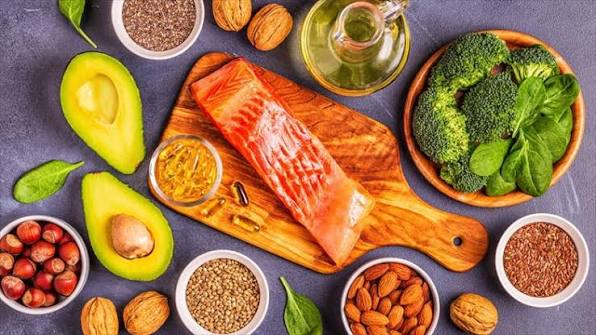
Trans fats are the clearest villain here — found in fried snacks, packaged baked goods, and anything with “partially hydrogenated oil” on the label — and they genuinely deserve elimination rather than moderation. Saturated fats, from ghee, butter, and fatty cuts of meat, are more of a “reduce, don’t eliminate” situation. The real win comes from actively swapping these for monounsaturated and polyunsaturated fats — think groundnut oil, mustard oil, or olive oil for cooking, plus a small daily handful of walnuts or almonds. This isn’t about deprivation; it’s a substitution game, and once you frame it that way, it becomes considerably easier to sustain.
Fibre Genuinely Pulls Cholesterol Out of Your System
Soluble fibre specifically — found in oats, barley, rajma, chana, and most legumes — binds to cholesterol in your digestive tract and helps carry it out of your body before it gets absorbed. Aim for at least 10 grams of this specific type daily, which is genuinely achievable with a bowl of oats at breakfast and a serving of dal at most meals, both already common in Indian kitchens. This is one of the few changes where the evidence is strong enough that doctors will actively recommend it as a standalone strategy, not just a nice-to-have.
The “Portfolio Diet” Approach Stacks Several Small Wins Together
Researchers have tested combining several cholesterol-lowering foods simultaneously rather than picking just one, and the combined effect is genuinely more powerful than any single change alone. The rough targets: about 2 grams daily of plant sterols (found in small amounts in vegetable oils and fortified foods), at least 10 grams of soluble fibre, roughly 50 grams of plant protein with an emphasis on soy, and about 45 grams of nuts. You don’t need to hit every number perfectly — even approximating this combined pattern, rather than trying to overhaul your diet from a single angle, tends to produce noticeably better results.
Movement Matters, Especially for Raising HDL
Exercise doesn’t dramatically lower LDL on its own, but it reliably raises HDL — your “good” cholesterol — and that shift in ratio genuinely matters for your overall cardiovascular risk. You don’t need to become a marathon runner for this; consistent moderate activity, a brisk 30-minute walk most days, works well. The real benefit shows up when exercise pairs with dietary changes rather than standing alone — the two together do considerably more than either in isolation.
Losing Even a Modest Amount of Weight Helps Directly
If you’re carrying extra weight, particularly around your abdomen, losing even a modest amount tends to bring LDL down alongside it. This doesn’t require reaching some idealised number on the scale — even a gradual 5 to 10% reduction genuinely shows up in follow-up blood work for most people, which is a considerably more realistic and sustainable goal than chasing dramatic weight loss.
Be Careful With Supplements — Not All of Them Are What They Seem
Plant sterol supplements do have decent evidence behind them, lowering LDL by roughly 6 to 15% at the right dose. But niacin, once popular as a natural cholesterol fix, deserves real caution now — while it can raise HDL and lower LDL at high doses, recent research has flagged it may actually increase risk of heart attack, stroke, and cardiovascular death in some people. This is exactly the kind of detail that changes with new research, which is why running any supplement past your doctor first matters more than trusting whatever’s trending in a wellness forum.
This Doesn’t Work Identically for Everyone
Here’s the honest caveat that often gets left out of these guides. If your high cholesterol stems from familial hypercholesterolemia — a genetic condition where your liver simply can’t clear LDL properly regardless of diet — lifestyle changes alone typically won’t bring your numbers into a safe range, and medication becomes a genuine necessity rather than a fallback. For most people with lifestyle-driven high cholesterol, though, these changes work well enough that many doctors genuinely prefer trying them first before reaching for a prescription.
Frequently Asked Questions
Q1. How long should I try lifestyle changes before expecting to see a real difference in my cholesterol numbers?
Most doctors recommend rechecking after about three months of consistent changes, since that’s roughly how long it takes for sustained dietary and activity shifts to show up clearly in a lipid panel — testing too early often shows misleadingly small changes.
Q2. Can I eat eggs if I’m trying to lower my cholesterol naturally?
Yes, in moderation — since dietary cholesterol only accounts for a small share of your overall levels, most people can comfortably include eggs a few times a week without meaningfully affecting their numbers, especially if the rest of their diet follows the patterns described above.
Q3. Is it safe to stop taking cholesterol medication if my lifestyle changes seem to be working?
No, not without your doctor’s explicit guidance — stopping prescribed medication on your own, even with improving numbers, removes a safety margin your doctor is tracking that you may not be fully aware of. This decision should always be made together, based on your actual follow-up test results.
Q4. Do herbal supplements like artichoke leaf or red yeast rice genuinely work for cholesterol?
Some show modest supporting evidence, but quality and dosage vary considerably between brands, and a few — like high-dose niacin — carry real risks that have only recently come to light through newer research. Always discuss any supplement with your doctor before starting, particularly if you’re also on other medication.
 Ketan Kumar