 By Saurav Mehra
 There’s a specific kind of fear that hits when you feel a twinge in your chest, especially if you’re past 35 or have a family history of heart disease. Most of the time, that fear passes as quickly as the discomfort does, and it turns out to be nothing more than acidity, gas, or a strained muscle from an awkward sleeping position. But every so often, chest pain is the body’s way of sending a genuine warning, and knowing the difference can be the single most important thing you do that day.
Heart disease has quietly become one of India’s biggest health concerns, striking people here roughly a decade earlier than in many Western countries. That makes this a particularly relevant thing for Indian readers to understand clearly, not vaguely. This isn’t about turning every stomach ache into a medical emergency — it’s about recognising the specific patterns that genuinely deserve urgent attention, so you don’t waste critical time when it actually matters.
Here’s how to actually tell the difference.
What Heart-Related Chest Pain Usually Feels Like
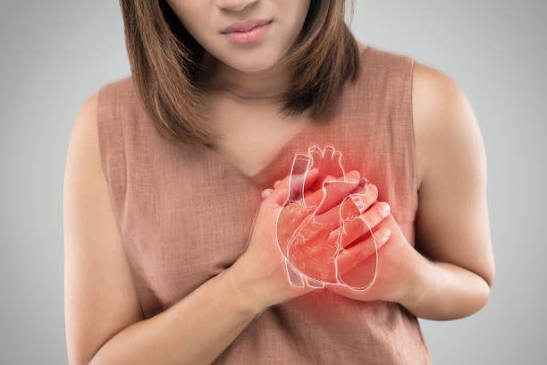
Chest pain linked to a heart attack rarely feels like a sharp, stabbing sensation that comes and goes in a second. It’s more commonly described as pressure, tightness, squeezing, or a heavy fullness sitting right in the centre or left side of the chest. Many people say it feels less like “pain” in the traditional sense and more like someone is sitting on their chest. This discomfort typically lasts more than a few minutes, or it may ease up briefly and then return.
Where the Pain Spreads Matters as Much as the Pain Itself
One of the clearer signs that chest discomfort might be heart-related is if it doesn’t stay confined to the chest. Pain or discomfort that spreads into the jaw, neck, back, shoulders, or down one or both arms is a pattern strongly associated with heart attacks. This radiating quality is genuinely one of the more reliable clues, since muscle strain or acidity rarely spreads this way.
Pay Attention to What Comes Along With It
A heart attack rarely announces itself through chest pain alone. Breaking into a cold sweat for no clear reason, sudden breathlessness, nausea or vomiting, and unexplained lightheadedness are all symptoms that, when they show up alongside chest discomfort, significantly raise the chances that something serious is happening. If you’re experiencing chest pain and even one of these accompanying symptoms, that combination shouldn’t be brushed aside.
Timing and Triggers Can Reveal a Lot
Chest pain that comes on during physical exertion — climbing stairs, brisk walking, or any activity requiring more effort than usual — and then eases with rest is a pattern cardiologists take particularly seriously. This kind of exertion-triggered discomfort, known as angina, often signals that the heart isn’t getting enough blood flow, and it can be an early warning sign appearing days or even weeks before an actual heart attack.
Symptoms Often Look Different in Women
Women having a heart attack frequently don’t experience the classic crushing chest pain most people expect. Instead, symptoms can show up as unusual fatigue, mild back or jaw discomfort, nausea, or breathlessness, often without significant chest pain at all. This difference is a big reason heart attacks in women are sometimes missed or dismissed as stress or fatigue, so it’s worth taking these subtler signs seriously rather than waiting for textbook chest pain to appear.
People With Diabetes May Feel Little to No Pain
Diabetes can affect nerve sensitivity in ways that dull the perception of pain, including chest pain during a heart attack. Someone with diabetes might experience only mild discomfort, unusual tiredness, or breathlessness without the intense chest pain typically associated with a cardiac event. This makes it especially important for people with diabetes to treat even mild or vague symptoms with caution rather than assuming a heart attack would feel obviously severe.
When It’s Probably Not Your Heart
Chest pain that’s sharp, localised to one small spot, worsens specifically when pressing on the area, or changes with body position or breathing is more often linked to muscle strain, acid reflux, or anxiety rather than the heart. Pain that lasts only a second or two and disappears completely also tends to be less concerning. That said, if you’re genuinely unsure, treating the pain as heart-related until proven otherwise is the safer approach.
What to Actually Do in the Moment
If chest pain lasts more than a few minutes, feels like pressure or heaviness, and comes with any accompanying symptom like sweating, breathlessness, or pain spreading to the arm or jaw, treat it as a medical emergency. Call for an ambulance or get to the nearest emergency department immediately rather than waiting to see if it passes. Getting appropriate care quickly genuinely changes outcomes when it comes to heart muscle damage.
FAQs
Q1. Can heart attack symptoms come and go over several days before the actual event?
Yes, many people experience warning signs like intermittent chest discomfort, unusual fatigue, or breathlessness hours, days, or even weeks before a heart attack, rather than everything happening suddenly without any prior signal.
Q2. Is it possible to have a heart attack without any chest pain at all?
Yes, this happens more often than people assume, particularly in women, older adults, and people with diabetes, where symptoms like breathlessness, nausea, or unusual tiredness may appear with little to no chest pain.
Q3. Should I take an aspirin if I think I’m having a heart attack?
Chewing an aspirin (around 300mg) is sometimes recommended while waiting for emergency help, provided you’re not allergic to it and haven’t been advised against it by a doctor, but this should never replace calling for emergency medical help immediately.
Q4. How can I tell if my chest pain is anxiety-related rather than heart-related?
Anxiety-related chest pain often comes with a racing heart, tingling sensations, and a clear trigger like stress, and tends to ease within a few minutes as you calm down, whereas heart-related pain typically persists, feels like pressure rather than a flutter, and often comes with physical exertion or other accompanying symptoms like sweating or breathlessness. If you’re unsure, it’s always safer to get it checked rather than assume it’s anxiety.
 Ketan Kumar