 By Saurav Mehra
 A child in Delhi starts wheezing every winter right around Diwali, and the pattern is so consistent that his parents have learned to keep his inhaler within reach the moment the air quality index starts climbing on the news. That predictability is actually useful information — it tells you asthma isn’t random misfortune, it’s a condition with identifiable triggers, and once you know yours, genuine prevention becomes possible rather than just reacting to each attack as it comes.
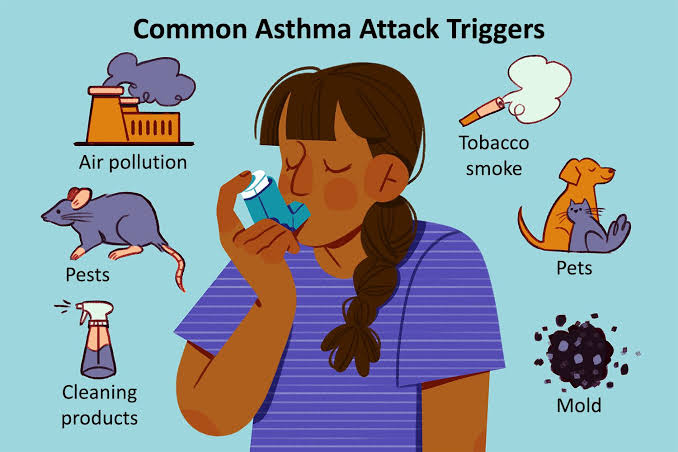
What’s Actually Happening in the Airways
Asthma causes the airways in your lungs to swell, narrow, and fill with mucus, which is exactly why breathing suddenly feels like pulling air through a much smaller straw during an attack. This isn’t a permanent narrowing — it’s inflammation that flares up in response to specific triggers, which is why someone with asthma can breathe completely normally for weeks and then struggle badly within minutes of encountering the wrong trigger.
Respiratory Infections Are the Single Biggest Trigger
A common cold, flu, or sinus infection remains the most frequent cause of asthma flare-ups, more so than allergies or pollution for a lot of people. This is exactly why staying current on seasonal flu vaccination matters more for someone with asthma than for the average person — it’s not just about avoiding the infection itself, it’s about avoiding the asthma attack that infection is likely to trigger on top of it.
Allergens Turn Your Immune System Against Ordinary Substances
Dust, pollen, pet fur, mould, and cockroach droppings are all common allergic triggers, and what’s happening biologically is your immune system mistaking something harmless for a genuine threat and mounting an inflammatory response in your airways. Allergy testing can genuinely help here — instead of vaguely avoiding “dust” in general, you find out specifically what you’re reacting to, which makes avoidance considerably more targeted and realistic to actually follow.
Weather and Air Quality Deserve Their Own Category in India Specifically
Sudden temperature swings, high humidity during monsoon, and heavily polluted air, particularly around Diwali and through winter in North Indian cities, are genuine, well-documented triggers. There’s also a phenomenon called thunderstorm asthma, where specific weather conditions cause pollen to break into smaller particles that penetrate deeper into the lungs, sometimes triggering sudden, widespread attacks across an entire region on the same day. Checking your local air quality index during high-pollution periods and limiting outdoor activity accordingly is genuinely one of the more practical, low-effort prevention steps available.
Exercise-Induced Symptoms Don’t Mean You Should Avoid Exercise Entirely
This gets misunderstood constantly. Physical activity can trigger asthma symptoms, but the solution isn’t sitting out every sport — it’s managing the trigger properly. Using a rescue inhaler 15 to 30 minutes before exercise, starting with a slow warm-up, and keeping your daily controller medication consistent lets most people with asthma participate fully in running and other cardio activities without repeated flare-ups. Avoiding exercise altogether actually tends to make overall lung function worse over time, not better.
Strong Emotions Genuinely Affect Your Airways Too
Stress, anxiety, and even intense laughter or crying can trigger symptoms in some people, which surprises those who assume asthma is purely a physical, environmental condition. The exact mechanism ties back to how emotional states affect breathing patterns and airway sensitivity, and while you can’t eliminate stress from your life, recognising it as a genuine trigger — rather than a coincidence — helps you connect the dots when symptoms flare during a particularly tense week.
An Asthma Action Plan Is the Single Most Useful Document You’re Probably Not Using
This is a written, personalised plan developed with your doctor that spells out exactly which medications to take daily, how to recognise early warning signs of worsening symptoms, and what specific steps to take before things escalate into a full attack. Families managing childhood asthma with a clear action plan and consistent annual follow-ups see meaningfully better control rates than those managing symptoms reactively without one. If you or your child has asthma and doesn’t have one of these on hand, it’s genuinely worth asking your doctor to create one at your next visit rather than improvising during an actual emergency.
Two Categories of Medication, and Why Confusing Them Is Dangerous
Maintenance inhalers, typically containing inhaled steroids, work daily to reduce the underlying airway inflammation — they’re not meant to provide instant relief, and using them only when you feel breathless defeats their entire purpose. Rescue inhalers, containing fast-acting bronchodilators like albuterol, are for the opposite situation — immediate relief during an actual attack. Mixing up when to use which, or skipping the daily maintenance inhaler because symptoms feel “fine” that week, is one of the most common reasons asthma control quietly deteriorates over time.
Recognising When an Attack Has Become a Genuine Emergency
Most flare-ups respond to rescue medication at home, but certain signs mean it’s time to get to a hospital immediately rather than waiting it out — drowsiness, confusion, or a bluish tinge to lips or fingertips (called cyanosis) are signs of a life-threatening episode requiring urgent care. If a rescue inhaler isn’t providing relief within a reasonable window, or symptoms are rapidly worsening rather than stabilising, that’s genuinely not a situation to manage at home.
Frequently Asked Questions
Q1. Can I actually prevent most asthma attacks, or is management just about reacting quickly when one happens?
Genuine prevention is possible for most people — consistent use of daily controller medication, identifying and avoiding your specific triggers, staying current on vaccinations, and following a proper asthma action plan together prevent the majority of attacks before they start, rather than just treating them after the fact.
Q2. Why does my child’s asthma seem to get worse specifically during Diwali and winter months?
This is a genuinely common pattern in Indian cities, tied to spikes in air pollution from firecrackers and seasonal factors like cold, dry air and increased particulate matter during winter months. Checking air quality reports and limiting outdoor exposure during these specific periods can meaningfully reduce flare-ups.
Q3. Is it safe to exercise regularly if physical activity triggers my asthma symptoms?
Yes, genuinely, avoiding exercise altogether tends to worsen overall lung fitness rather than protect you. Using a rescue inhaler before activity, warming up gradually, and staying consistent with daily controller medication typically allows people with asthma to exercise normally without repeated symptoms.
Q4. How do I know if my rescue inhaler isn’t working well enough and I need emergency care?
If symptoms don’t meaningfully improve within a short window after using your rescue inhaler, or if you notice drowsiness, confusion, or bluish discolouration around the lips or fingertips, these are signs of a serious attack requiring immediate emergency care rather than continued home management.
 Ketan Kumar