 By Ketan Kumar
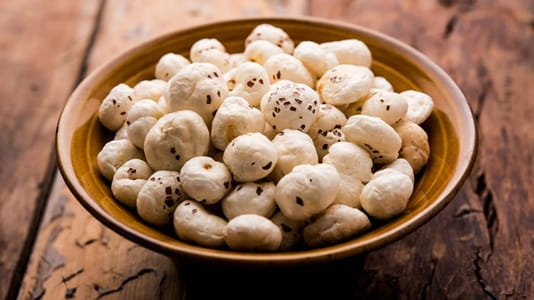
 Evening hunger hits, you’re reaching for something to munch on, and the usual suspects, namkeen, biscuits, chips, all come loaded with more oil and salt than your body genuinely needs. Somewhere along the way, that humble bowl of roasted makhana your grandmother kept in a steel dabba started looking a lot more appealing than it used to. It’s not nostalgia talking either. This traditional Bihar snack has quietly transformed from a regional fasting food into one of India’s most talked-about “superfood” snacks, showing up in health influencer reels and premium supermarket shelves alike.
But here’s the honest question worth asking before you switch your entire snacking habit: does makhana actually deserve the superfood label, or is this another case of clever marketing riding on genuine but modest nutritional facts? Understanding what makhana actually delivers, and clearing up a genuinely common misconception about what it even is, matters if you’re deciding whether it’s worth making a regular part of your diet.
First, Let’s Clear Up What Makhana Actually Is
This is worth addressing directly, since it’s one of the most commonly repeated inaccuracies floating around. Makhana is frequently labelled “lotus seed” in marketing and even on packaging, but this is technically incorrect. Makhana comes from the Euryale ferox plant, commonly called the prickly water lily or gorgon nut, which belongs to the water lily family.
True lotus seeds come from an entirely different plant, Nelumbo nucifera, and the two aren’t botanically related despite the naming confusion. This matters because their nutritional profiles and growing conditions genuinely differ. India produces the overwhelming majority of the world’s makhana supply, concentrated almost entirely in Bihar’s floodplain regions, particularly districts like Darbhanga, Madhubani, and Purnia, where cultivation has expanded significantly over the past several years as demand has grown.
What’s Genuinely Inside a Bowl of Makhana
Per 100 grams of raw makhana, you’re looking at roughly 350 calories, about 9.7 grams of protein, close to 77 grams of carbohydrates, and a genuinely tiny 0.1 grams of fat. Fibre content sits impressively high too, often cited around 14 grams per 100 grams, which is a meaningful amount for a snack food.
This combination, decent protein, very low fat, high fibre, is genuinely uncommon among typical Indian snacking options, and it’s exactly why makhana has earned attention beyond its traditional fasting-food reputation. Alongside this, makhana contains calcium, magnesium, phosphorus, and iron, along with trace amounts of potassium, rounding out a nutrient profile that’s genuinely more substantial than most fried, packaged alternatives.
Why the High Protein and Fibre Combination Genuinely Matters
For anyone trying to manage snacking without derailing their diet, this specific combination deserves attention. Protein genuinely helps reduce food cravings and supports appetite regulation, meaning a handful of makhana can keep you satisfied for longer than an equivalent portion of most conventional snacks.
Fibre works alongside this, moving slowly through your digestive tract and contributing to that same feeling of fullness. Some broader nutrition research has linked higher fibre intake to better weight management and reduced cardiovascular risk generally, though it’s worth being clear that this research applies to dietary fibre intake overall, rather than being makhana-specific evidence. Still, as a fibre-rich, protein-containing snack that’s naturally low in fat, makhana genuinely fits well into a mindful eating pattern.
The Low Glycemic Index Angle for Blood Sugar Management
Makhana carries a relatively low glycemic index, meaning it doesn’t cause the same rapid blood sugar spike that many refined, carb-heavy snacks do. This makes it a genuinely reasonable snacking option for people managing diabetes or generally trying to keep their blood sugar more stable throughout the day.
It’s worth pairing this fact with some context though. A low glycemic index doesn’t mean unlimited consumption is fine, makhana still contains meaningful carbohydrates, and portion size matters just as much for blood sugar management as which specific food you’re choosing. If you’re diabetic, incorporating makhana as part of an overall balanced approach, rather than treating it as a free pass, is the more sensible way to think about it.
What About the Antioxidant and Heart Health Claims
You’ll frequently see makhana associated with compounds like kaempferol and quercetin, plant-based antioxidants believed to help combat oxidative stress and support cardiovascular health. These compounds do exist in makhana, and antioxidants generally do play a genuine role in reducing cellular damage from free radicals.
That said, it’s worth being measured here rather than treating this as settled proof that makhana specifically prevents heart disease. Much of the more specific research connecting makhana’s antioxidant content to measurable heart health outcomes in humans remains limited, and broader nutrition science acknowledges that more targeted studies are genuinely needed before making strong causal claims. What’s more solidly established is that makhana’s naturally low fat and sodium content, combined with its magnesium and potassium levels, generally support healthy blood pressure as part of an overall balanced diet, which is a genuinely useful, if less dramatic, benefit.
Is Makhana Actually Good for Weight Management
This is probably the single most common reason people start eating makhana regularly, and the underlying logic genuinely holds up reasonably well. Its high protein and fibre content, combined with very low fat and moderate calorie density, makes it a snack that fills you up without contributing excessive calories the way fried alternatives typically do.
That said, roasted plain makhana and the flavoured, packaged versions sold commercially are genuinely different products nutritionally. Many commercial makhana snack packets add oil, butter, and seasoning that significantly raise the fat and sodium content, sometimes bringing it closer to a regular namkeen than the simple, healthy snack you might assume you’re buying. Checking the actual nutrition label on packaged makhana, rather than assuming all makhana products are equally light, genuinely matters here.
Who Should Be Slightly More Cautious
Makhana is naturally gluten-free, making it a genuinely useful snack option for anyone managing celiac disease or gluten sensitivity, and its plant-based protein content makes it valuable for vegetarians specifically looking to boost protein intake without meat or dairy. It’s also naturally nut-free despite the “fox nut” name, which matters for anyone with genuine tree nut allergies.
That said, if you’re watching sodium intake specifically for blood pressure management, be mindful of salted or heavily seasoned makhana varieties, since the salt added during preparation can offset some of the natural benefits of the base ingredient. Sticking to lightly roasted, minimally seasoned makhana, or seasoning it yourself at home with modest salt, keeps you closer to the genuine nutritional profile rather than an oversalted version.
So, Does It Deserve the “Superfood” Label
Here’s the balanced, honest answer. Makhana is a genuinely nutritious snack, low in fat, reasonably high in protein and fibre, naturally gluten-free, and considerably better than most fried, processed Indian snack alternatives. That’s a real, meaningful advantage worth taking seriously.
Whether it deserves the dramatic “ultimate superfood” branding is a separate question, and the honest answer is that much of makhana’s more specific disease-prevention claims, heart health, anti-ageing, kidney protection, rest on limited or preliminary research rather than robust, large-scale human studies. It’s a genuinely smart snack choice, but it isn’t a magic bullet that single-handedly prevents chronic disease. Treating it as one solid, healthy option within a varied, balanced diet is a more accurate way to think about it than expecting it to outperform every other food category on its own.
Frequently Asked Questions
Q1. Is makhana actually the same thing as lotus seed, since it’s often labelled that way?
No, this is a common but inaccurate labelling practice. Makhana comes from the Euryale ferox plant, a type of water lily, while true lotus seeds come from an entirely different plant called Nelumbo nucifera. The two aren’t botanically related despite frequently being marketed under the same name.
Q2. Can I eat makhana every day without any downsides?
Plain, lightly roasted makhana in moderate portions is generally safe for daily consumption for most people. The main thing to watch is added salt or oil in commercially flavoured varieties, which can offset its natural health benefits if eaten in excess regularly.
Q3. Is packaged, flavoured makhana snack still as healthy as homemade roasted makhana?
Not always. Many commercially flavoured makhana packets add significant oil, butter, or salt during processing, which can bring their fat and sodium content closer to regular fried snacks. Checking the nutrition label rather than assuming all makhana products are equally light is genuinely worth doing.
Q4. Does makhana genuinely help with weight loss, or is that overstated?
Its high protein and fibre combination, alongside low fat and moderate calories, genuinely supports satiety and can help with portion control as part of a broader weight management approach. However, no single food causes weight loss on its own, overall diet and lifestyle patterns matter considerably more than any one snack choice.
 Saurav Mehra