 By Ketan Kumar
 The kitchen is the heart of an Indian home. It is where daily meals are prepared, festive feasts are cooked, and family conversations flow over the aroma of spices. When renovating or setting up a new kitchen, one of the biggest decisions Indian homeowners face is choosing between a modular kitchen and a traditional kitchen. Both have their place, but they differ significantly in design philosophy, functionality, cost, and suitability for Indian lifestyles.
This article presents a balanced comparison of modular versus traditional kitchens, highlighting their pros and cons, to help you make an informed decision based on your space, budget, and family needs.
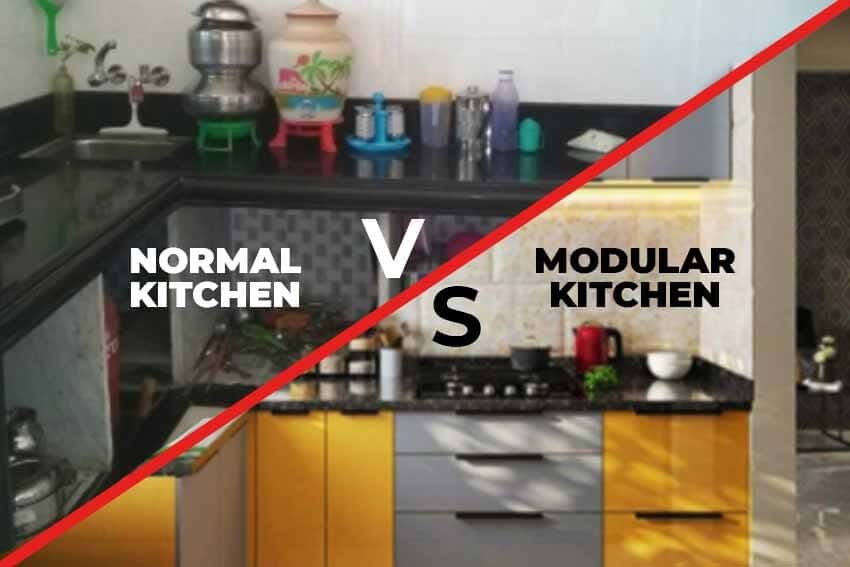
What is a Modular Kitchen?
A modular kitchen consists of pre-fabricated cabinets, drawers, and units that are manufactured in a factory and assembled on-site. It typically uses materials like BWP plywood, laminates, and hardware such as soft-close hinges and tandem drawers. Designs are sleek, modern, and highly customizable.
What is a Traditional Kitchen?
A traditional kitchen is built on-site using masonry, cement, and local materials. It often features fixed concrete platforms, wooden or metal shutters, and open shelving. Many older Indian homes still have these kitchens, characterized by durability and a classic, functional look.
Pros and Cons of Modular Kitchens
Pros:
- Space Efficiency: Modular kitchens are excellent for small urban apartments. They utilize every inch with tall units, pull-out pantries, and corner solutions.
- Customization: You can design internal layouts according to your cooking style — dedicated masala trays, thali racks, or appliance garages.
- Aesthetic Appeal: Clean lines, modern finishes, and a wide range of colours and textures give a premium, contemporary look.
- Quick Installation: Once materials arrive, installation usually takes 7–15 days.
- Easy Maintenance: Smooth surfaces, soft-close mechanisms, and anti-bacterial laminates make cleaning easier.
- Re-sale Value: A well-designed modular kitchen increases the resale or rental value of apartments.
Cons:
- Higher Initial Cost: Quality modular kitchens cost ₹1.8–4.5 lakhs for a small to medium size, depending on accessories.
- Durability Concerns: Low-quality modular kitchens may not withstand heavy Indian cooking (oil, heat, moisture) for decades.
- Less Flexible for Repairs: If one component fails, replacing it can be expensive.
- Modern Look Only: May not suit homes that prefer a traditional or ethnic aesthetic.
Pros and Cons of Traditional Kitchens
Pros:
- Durability: Built with concrete and solid materials, they can last 20–30+ years with proper maintenance.
- Lower Initial Cost: Often cheaper (₹80,000–2 lakhs) if using local labour and materials.
- Heavy-Duty Performance: Handles intense Indian cooking (deep frying, grinding masalas, multiple burners) very well.
- Repair Friendly: Local masons and carpenters can easily repair or modify sections.
- Traditional Charm: Offers a warm, lived-in feel that many families love.
Cons:
- Space Consuming: Fixed platforms and bulky storage take up more floor space.
- Longer Construction Time: Takes 3–6 weeks or more to build.
- Difficult to Clean: Grout lines, rough surfaces, and open shelves collect dust and grease easily.
- Limited Customization: Harder to add modern features like tall units or soft-close drawers.
- Outdated Appearance: May look old-fashioned compared to contemporary homes.
Which is Better for Indian Homes?
Choose Modular Kitchen If:
- You live in a small or medium apartment.
- You want a modern, organized, and easy-to-maintain kitchen.
- You cook moderately and value aesthetics and efficiency.
- You plan to stay 5–10 years or want good resale value.
Choose Traditional Kitchen If:
- You own an independent house or larger space.
- You do heavy daily cooking with traditional methods.
- Budget is tight and you prefer long-term durability with local repairs.
- You love a classic Indian kitchen feel.
Hybrid Approach (Most Recommended):
Many families now combine both — using modular cabinets for upper storage and modern finishes while keeping traditional platforms or adding a traditional cooking area for heavy use. This gives the best of both worlds.
Factors to Consider Before Deciding
- Climate: In humid coastal areas, modular kitchens with BWP plywood perform better.
- Family Size & Cooking Habits: Large joint families doing heavy cooking may lean towards traditional.
- Budget: Modular offers better long-term value despite higher upfront cost.
- Future Resale: Modular kitchens are preferred by today’s buyers.
- Vastu: Many prefer traditional kitchens in the southeast direction.
Maintenance Tips for Both
- Regular deep cleaning.
- Use exhaust chimneys with high suction power.
- Apply anti-termite and anti-fungal treatments.
- Wipe spills immediately.
Conclusion
There is no absolute winner between modular and traditional kitchens. Modular kitchens excel in modern, space-efficient, and low-maintenance living, making them ideal for today’s urban Indian families. Traditional kitchens offer unmatched durability and a homely charm, especially for larger homes and heavy cooking.
Most Indian homeowners today benefit from a hybrid model or a well-planned modular kitchen. Assess your space, cooking style, budget, and long-term plans carefully. Visit showrooms, speak to multiple vendors, and request 3D designs before finalizing. A thoughtfully chosen kitchen will serve your family efficiently for years while becoming the warm centre of your home.
FAQ
Q1: Which kitchen is more expensive — modular or traditional?
Modular kitchens usually have a higher initial cost, but they offer better value through efficiency and lower long-term maintenance.
Q2: Are modular kitchens durable for Indian cooking?
Yes, if you choose good quality BWP plywood and reputed brands. They handle Indian cooking well when properly installed.
Q3: Can I convert a traditional kitchen into modular later?
Yes, it is possible and quite common during renovations, though it involves removing old platforms and redoing electrical and plumbing.
Q4: What is the lifespan of a modular kitchen?
A good quality modular kitchen lasts 10–15 years comfortably, while traditional kitchens can last 20–30 years.
Q5: Which kitchen style is better for small apartments?
Modular kitchens are far better for small Indian apartments due to space optimization and customization.
Q6: Does modular kitchen increase home resale value?
Yes, modern buyers prefer modular kitchens, which can increase resale or rental value significantly.
Q7: Should I go for a hybrid kitchen?
For most Indian families, a hybrid approach (modular storage + traditional cooking platform) offers the best balance of modernity and functionality.