 By Saurav Mehra
 Somewhere in Karnataka, a small agarbatti manufacturer that started in 2018 with just ₹8 lakh in investment now turns over ₹45 lakh annually with a genuinely healthy 28% profit margin. This isn’t a rare fluke story either, it’s exactly what happens when you pick a product that Indian households genuinely buy every single week, and manufacture it with even modest attention to quality and branding. While everyone’s chasing tech startups and e-commerce dreams, small-scale manufacturing quietly remains one of India’s most reliable paths to steady, compounding profit.
Here’s why this genuinely matters right now: manufacturing adds real value to raw materials in a way pure trading never can, which is precisely why manufacturing businesses consistently command higher margins than someone simply buying and reselling finished goods. Combined with government support through Make in India, MSME subsidies, and Udyam registration benefits, plus e-commerce and hyperlocal delivery now letting even a tiny local unit reach customers well beyond its own neighbourhood, this is genuinely one of the strongest windows India has had for small manufacturers to build lasting, profitable businesses.
1. Agarbatti (Incense Stick) Manufacturing
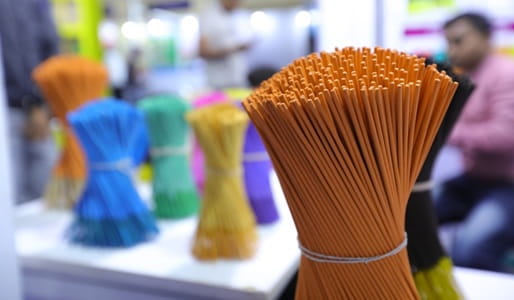
This remains genuinely one of India’s most dependable manufacturing businesses, and the reason is simple, agarbatti isn’t a discretionary purchase, it’s a daily religious and cultural necessity across virtually every Indian household, temple, and place of worship. India’s incense stick market was valued at over $1,234 million in 2024 and is projected to nearly grow to $1,950 million by 2032, driven entirely by this consistent, everyday demand.
Karnataka and Tamil Nadu have emerged as the country’s strongest hubs for this business, largely because they offer easy access to quality bamboo sticks, essential oils, and aromatic ingredients. Starting investment can genuinely begin around ₹8 lakh to ₹15 lakh for a modest unit, and with strategic investment in production efficiency and branding over time, margins in the high twenties percent range are genuinely achievable, exactly what the Lakshmi Trading Services example demonstrates.
2. Spice Grinding and Packaging
India produces more spices than any other country on earth, yet a genuinely large proportion still gets sold in raw, unbranded form, leaving enormous margin on the table for anyone willing to grind, package, and brand it properly. Setting up a spice processing unit lets you capture considerably more value per kilogram than selling raw produce ever would.
The genuine opportunity here extends beyond domestic sale too. Spices with proper branding, quality certification, and attractive packaging become genuinely eligible for export to international markets, opening a revenue stream that pure local retail simply can’t match. This business also scales naturally, starting with a single spice blend for your local market before expanding into a full product line as demand and cash flow allow.
3. Herbal and Ayurvedic Product Manufacturing
Backed by growing consumer trust in natural ingredients and active support from the Ministry of AYUSH, herbal product manufacturing, soaps, hair oils, skincare, and wellness products, has genuinely become one of India’s most promising manufacturing categories. States like Kerala and Uttarakhand have already built strong reputations in this space, with established Ayurvedic brands now exporting to Europe and North America.
The government’s Central Sector Scheme for Promotion of International Cooperation in AYUSH specifically supports this sector’s global expansion, which genuinely matters if you’re thinking beyond just your local market. Products like herbal hair oils made from coconut, amla, or onion, and Ayurvedic skincare, require relatively modest machinery investment while tapping into genuinely rising consumer confidence in natural ingredients over synthetic alternatives.
4. Packaged Food and Pickle Manufacturing
The demand for packaged, organic, and ready-to-eat food products keeps climbing steadily across both urban and rural India, and a small food processing unit manufacturing jams, pickles, or regional snack items can genuinely deliver strong returns without requiring massive upfront capital. This business scales beautifully too, you can start with small production batches and expand gradually as your customer base and distribution network grow.
The genuine advantage here is breadth of customer base. Unlike some niche manufacturing categories, packaged food products find buyers across virtually every income segment and geography, giving you considerably more flexibility in how you approach distribution, whether through local retail, regional wholesalers, or direct online sale.
5. Home Cleaning Product Manufacturing
Products like phenyl disinfectants, floor cleaners, and dishwashing liquids genuinely enjoy consistent, recession-resistant demand since households, hospitals, schools, and offices all need them regardless of broader economic conditions. This business appeals particularly to first-time manufacturers because the production process requires relatively basic materials and modest startup costs compared to more technically demanding manufacturing categories.
What makes this genuinely attractive is the recurring nature of the purchase, customers who buy your cleaning products once and are satisfied genuinely become repeat buyers, creating the kind of predictable, compounding revenue base that’s harder to build in one-time-purchase product categories.
6. Paper Bags and Eco-Friendly Packaging
With states across India actively enforcing single-use plastic bans, demand for paper-based packaging alternatives has genuinely surged, and this shift shows no signs of reversing. Paper bags, cups, and eco-friendly packaging materials now find steady buyers among cafes, retail stores, and increasingly, e-commerce brands looking to align their packaging with sustainability expectations.
This business benefits from a genuinely favourable regulatory tailwind rather than fighting against one, states actively restricting plastic packaging are effectively creating your customer base for you. Starting investment stays relatively modest, and demand from local retailers, restaurants, and small businesses provides a genuinely stable, ongoing market that doesn’t depend on seasonal spikes.
7. Kitchen Utensils and Steel Product Manufacturing
India’s steel utensil category is genuinely experiencing some of the fastest growth within the broader kitchenware manufacturing space, driven largely by the sheer size of India’s middle and lower-middle-class population, who represent a massive, ongoing replacement market for durable kitchen goods. Unlike trend-dependent consumer products, kitchen utensils benefit from genuinely consistent, non-seasonal demand.
This category rewards manufacturers who focus on durability and reasonable pricing over flashy branding, since customers in this segment are genuinely making practical, value-conscious purchasing decisions rather than impulse buys, giving well-run manufacturing units a genuinely stable, long-term customer relationship.
8. Candle Manufacturing
Candles have genuinely evolved well beyond their original power-cut utility role into a legitimate home décor, gifting, and aromatherapy product category. Decorative, scented, and personalised candles now find steady sales through online marketplaces and gift shops, commanding considerably higher margins than the plain utility candles of a decade ago.
This business rewards creativity and packaging investment specifically, unique fragrances and attractive presentation genuinely differentiate your product in a category where raw material costs stay relatively low, meaning the margin genuinely comes from how well you position and present the finished product rather than from the ingredients themselves.
9. Furniture Manufacturing for Local and Modular Markets
India’s expanding housing and office space market continues fuelling genuine, sustained demand for both traditional wooden furniture and modern modular designs. This category rewards manufacturers who combine genuine craftsmanship skill with contemporary design sensibility, since customers increasingly want furniture that’s both functional and visually current rather than purely traditional.
Starting at a genuinely local scale, serving nearby homes and small offices, before expanding into wholesale supply or online sale channels lets you build production expertise and quality reputation gradually rather than overextending on capacity before you’ve proven demand for your specific designs.
10. Detergent and Household Chemical Manufacturing
Essential daily-use items like washing powders and floor cleaners enjoy genuinely steady, non-discretionary demand that barely fluctuates with broader economic conditions, exactly the kind of stability that makes this category attractive for entrepreneurs seeking predictable, long-term revenue rather than trend-dependent sales spikes.
This business genuinely rewards operators who invest in consistent quality control and reliable distribution networks with wholesalers and retailers, since household chemical products depend heavily on repeat purchase behaviour, meaning your first sale to a customer matters less than whether they genuinely come back for their next bottle.
Frequently Asked Questions
Q1. Which of these manufacturing businesses genuinely requires the lowest starting investment?
Agarbatti manufacturing, candle making, and home cleaning products typically require the most modest starting capital, often between ₹1 lakh and ₹8 lakh depending on scale, making them genuinely accessible entry points for first-time manufacturers with limited funds.
Q2. Do I need special licences to start a small manufacturing business in India?
Yes, requirements vary by category, but generally include Udyam/MSME registration, GST registration, and depending on your specific product, a factory licence, pollution control clearance, and for food products specifically, FSSAI certification.
Q3. Can any of these manufacturing businesses genuinely be started from home before scaling up?
Yes, several categories, agarbatti, spice grinding, papad or pickle making, and candle manufacturing, can genuinely begin at a small, home-based scale with basic equipment, letting you validate demand and build initial cash flow before investing in a dedicated commercial facility.
Q4. Which manufacturing category offers the strongest genuine export potential alongside local market sales?
Herbal and Ayurvedic product manufacturing, alongside branded spice processing, genuinely offer the strongest export opportunities among this list, since both categories benefit from active government support programmes specifically designed to help Indian manufacturers reach international buyers.