 By Saurav Mehra
 Indian car buyers are more informed than ever, but engine choices have become more confusing too. Earlier, most petrol cars had simple naturally aspirated engines. You pressed the accelerator, the car responded smoothly, mileage was predictable, and maintenance was easy to understand. Now, many new cars proudly advertise turbo-petrol engines—1.0 turbo, 1.2 turbo, 1.5 turbo, direct injection, high torque, sporty performance and better efficiency.
At first, turbo sounds exciting. More power from a smaller engine, quicker acceleration and a premium driving feel. But then practical Indian questions begin: Will it give good mileage in city traffic? Is it reliable in summer heat? Will maintenance be expensive? Is it suitable for bumper-to-bumper driving? Should a family buyer choose turbo petrol, or is a naturally aspirated engine still better?
The answer depends on how and where you drive. A turbo-petrol engine can feel powerful and fun, especially on highways and open roads. A naturally aspirated engine can feel smoother, simpler and easier to live with in everyday city use. Neither is automatically better for everyone. The smart choice depends on your driving style, traffic conditions, budget, fuel quality, service habits and ownership expectations.
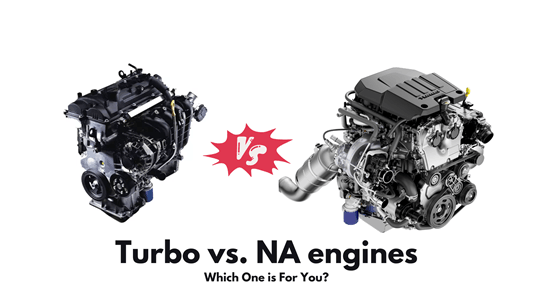
What Is a Naturally Aspirated Petrol Engine?
A naturally aspirated petrol engine, often called an NA engine, takes air into the engine naturally without any turbocharger. It depends on normal atmospheric pressure and engine design to mix air and fuel.
In simple words, the engine breathes on its own. When you press the accelerator, power builds gradually and smoothly. There is no sudden boost.
Many popular Indian hatchbacks, sedans and family cars have used naturally aspirated engines for years. They are known for simple construction, predictable response and lower maintenance complexity.
What Is a Turbo Petrol Engine?
A turbo-petrol engine uses a turbocharger to force more air into the engine. More air allows the engine to burn more fuel efficiently and produce more power from a smaller capacity.
For example, a 1.0-litre turbo-petrol engine can sometimes produce power and torque close to or better than a larger 1.5-litre naturally aspirated engine. This is why carmakers use smaller turbo engines to offer strong performance while controlling emissions and fuel consumption.
A turbo engine can feel energetic because it produces strong torque at lower rpm. This gives quick acceleration when the turbo is active.
Main Difference in Driving Feel
The biggest difference is power delivery.
A naturally aspirated engine gives linear power. The more you press the accelerator, the more power comes smoothly. This makes it easy to control in city traffic, parking, narrow lanes and slow movement.
A turbo-petrol engine may feel slightly dull before the turbo starts working, and then suddenly stronger when boost arrives. This is called turbo lag, although modern cars have reduced it a lot. Once the turbo kicks in, the car pulls strongly.
For people who enjoy driving, turbo petrol feels more exciting. For people who want calm, predictable driving, naturally aspirated petrol feels easier.
City Driving: Which Is Better?
For daily city use, naturally aspirated engines are often more comfortable. In traffic, you need smooth crawling, gentle acceleration and easy control. NA engines usually respond cleanly at low speeds without sudden power.
Turbo-petrol engines can also work well in cities, especially modern ones with automatic gearboxes. But some small turbo engines may feel jerky if the gearbox is not tuned properly or if the driver keeps accelerating and braking sharply.
If your daily route has heavy traffic, speed breakers, narrow colony roads and constant stop-go movement, a naturally aspirated engine may feel more relaxed. If your city driving includes open stretches and you like quick overtakes, turbo petrol can be enjoyable.
Highway Driving: Turbo Petrol Has an Advantage
On highways, turbo-petrol engines usually feel stronger. The extra torque helps during overtaking, climbing flyovers, driving with full passengers and cruising at higher speeds.
A turbo car often needs less downshifting compared to a naturally aspirated engine. You press the accelerator, and the car pulls strongly. This makes highway driving feel effortless.
Naturally aspirated engines can also be good on highways, but smaller NA engines may need higher rpm and more gear changes for overtaking. They may feel noisier when pushed hard.
If you take frequent highway trips, drive in hills or carry family and luggage often, a turbo-petrol engine can feel more confident.
Fuel Efficiency: Which Gives Better Mileage?
This is where many buyers get surprised. On paper, turbo-petrol engines can offer good mileage because they are smaller and more efficient under gentle driving. But in real life, mileage depends heavily on driving style.
If you drive smoothly, avoid hard acceleration and maintain steady speeds, a turbo-petrol engine can deliver good efficiency. But if you enjoy the turbo punch and accelerate aggressively, fuel consumption can rise quickly.
Naturally aspirated engines may not offer the same torque, but their mileage is often more predictable. They may be easier for normal drivers to extract decent fuel economy from.
In Indian city traffic, a simple NA engine may sometimes give more consistent mileage. On open roads with careful driving, a turbo can be efficient too.
Maintenance Cost and Complexity
Naturally aspirated engines are simpler. They have fewer high-stress components compared to turbo engines. This often means lower maintenance complexity and easier long-term ownership.
Turbo engines have extra parts like turbocharger, intercooler, additional piping and sometimes direct injection systems. These parts are designed to last, but they need proper maintenance. Poor engine oil, delayed service, overheating or careless driving can affect turbo health.
This does not mean turbo engines are unreliable. Many modern turbo engines are durable when maintained properly. But they are less forgiving than simple NA engines.
If you want minimum complexity and plan to keep the car for many years, NA engines still have a strong case.
Heat and Indian Conditions
India’s summer heat, traffic jams, dusty roads and long idling can be hard on engines. Turbo engines generate more heat because they compress air and work under higher pressure.
Good manufacturers design cooling systems to handle this, but owners must follow service schedules carefully. Use the recommended engine oil, keep coolant in good condition and avoid ignoring warning lights.
After hard highway driving or spirited driving, it is wise to drive calmly for the last few minutes before stopping. This helps temperatures settle. Many modern cars manage turbo cooling automatically, but gentle habits still help.
Naturally aspirated engines generally run with less thermal stress, making them simpler for harsh conditions.
Fuel Quality Matters
Turbo-petrol engines can be more sensitive to fuel quality, especially high-compression or direct-injection turbo engines. Poor fuel can cause knocking, rough running or lower performance.
Most modern turbo cars sold in India are designed for available petrol quality, but it is still better to refuel from trusted petrol pumps. Avoid unknown pumps during highway travel if possible.
Naturally aspirated engines are usually more tolerant of varying fuel quality. This can be useful for people who travel frequently to smaller towns or remote areas.
Automatic Gearbox Pairing
Engine choice should not be judged alone. The gearbox matters a lot.
A turbo-petrol engine with a well-tuned automatic gearbox can feel quick, smooth and premium. But a turbo engine with a poorly tuned gearbox may feel jerky in traffic.
Naturally aspirated engines with CVT or torque converter automatics can feel very smooth in cities. They may not be sporty, but they are comfortable and predictable.
If you are buying an automatic car, test drive in real traffic. Do not judge only from brochure power figures.
Performance and Fun
If driving enjoyment matters to you, turbo petrol is usually more exciting. The strong mid-range torque makes overtaking, quick acceleration and highway cruising enjoyable.
Many compact SUVs and sedans feel more premium with turbo engines because they do not feel underpowered with full passengers.
Naturally aspirated engines can also be fun if they are well-tuned and rev-friendly, but they usually need higher rpm for power. For relaxed drivers, this may feel noisy or tiring.
Turbo is better for punch. NA is better for smoothness.
Reliability: What Should Buyers Expect?
Reliability depends on brand engineering, maintenance and usage. A well-built turbo engine maintained properly can last long. A poorly maintained naturally aspirated engine can also fail.
But in general, NA engines are simpler and have fewer expensive parts. This gives them a reputation for long-term reliability.
Turbo engines need more disciplined ownership. Timely oil changes, correct oil grade, clean air filters, good fuel and proper cooling are important.
If you follow service rules and drive sensibly, a turbo-petrol car can be reliable. If you neglect maintenance, NA engines are usually more forgiving.
Resale Value
Turbo-petrol cars may attract buyers who want performance, especially in premium hatchbacks, compact SUVs and sedans. However, some used-car buyers may worry about turbo maintenance and prefer simple petrol engines.
Naturally aspirated cars often have wider resale comfort because second-hand buyers see them as easier and cheaper to maintain.
Resale also depends on brand, service history, mileage, condition, fuel prices and market demand. Keep all service records if you own a turbo car. A well-maintained turbo car is easier to sell confidently.
Which Engine Is Better for First-Time Car Buyers?
For first-time buyers, naturally aspirated petrol is usually easier to live with. It is simple, smooth, predictable and less demanding. It suits city driving, family use and low-stress ownership.
Turbo petrol is better for first-time buyers who enjoy driving, understand maintenance, and are willing to pay slightly more attention to service quality.
If the car will be driven by multiple family members, including new drivers, NA may feel more user-friendly.
Which Engine Is Better for Hills?
Turbo-petrol engines usually perform better in hills because they offer stronger torque and handle altitude better than many naturally aspirated engines. The turbo helps maintain power where air is thinner.
A naturally aspirated engine may feel weaker on steep climbs, especially with full passengers and luggage. It may need frequent gear changes and higher rpm.
For people living in hilly regions or travelling often to mountains, turbo petrol can be a strong choice.
Cost Difference While Buying
Turbo-petrol variants are often more expensive than naturally aspirated variants. They may also be offered in higher trims with more features, increasing the price gap.
Before choosing turbo, ask whether you truly need the extra performance. If your driving is mostly city-based and relaxed, saving money with NA may be smarter.
If you regularly drive highways, enjoy acceleration or carry full loads, the extra cost of turbo may feel justified.
Practical Choice for Indian Buyers
Choose naturally aspirated petrol if you want smooth city driving, lower complexity, predictable mileage, easier maintenance and long-term peace of mind. It is ideal for families, first-time buyers, low-running users and people who keep cars for many years.
Choose turbo petrol if you want stronger performance, better highway overtaking, enjoyable driving, better hill performance and a more premium feel. It is ideal for enthusiasts, highway users and buyers who do not mind disciplined maintenance.
The best engine is not the one with the bigger marketing claim. The best engine is the one that suits your real driving life.
FAQs
Q1. Is turbo petrol better than naturally aspirated petrol?
Turbo petrol is better for performance, highway overtaking and driving fun. Naturally aspirated petrol is better for smooth city driving, simpler maintenance and predictable ownership. The better choice depends on your usage.
Q2. Does a turbo petrol engine give better mileage?
It can give good mileage when driven gently, but aggressive acceleration can reduce fuel efficiency quickly. Naturally aspirated engines often give more predictable mileage in regular city driving.
Q3. Is turbo petrol reliable for Indian conditions?
Modern turbo-petrol engines can be reliable if maintained properly. Use recommended engine oil, service on time, refuel from trusted pumps and avoid ignoring overheating or warning signs.
Q4. Which engine is better for city driving in India?
For heavy city traffic, a naturally aspirated petrol engine is often smoother and easier to drive. A turbo-petrol engine is better if you want stronger acceleration and also drive on highways regularly.