 By Ketan Kumar
 For many Indian families, rice is not just food—it is comfort, habit, culture and daily routine. From dal-chawal in North India to sambar-rice in South India, rajma-rice, curd rice, lemon rice, khichdi, pulao and biryani, rice sits at the centre of many meals. But when diabetes enters the picture, the same plate suddenly starts raising questions: Should I stop rice completely? Is brown rice really better? Can I still eat white rice if my sugar is high?
This confusion is very common because rice is carbohydrate-rich, and carbohydrates directly affect blood sugar levels. For diabetics, the issue is not only “white rice or brown rice”, but also portion size, cooking method, meal combination, daily activity, medicines and overall diet quality. Brown rice may look like the healthier answer, but it is not a magic food. White rice may raise blood sugar faster, but it is not poison if eaten carefully. The real solution is learning how both work inside the body and how to make a rice meal more diabetes-friendly in real Indian life.
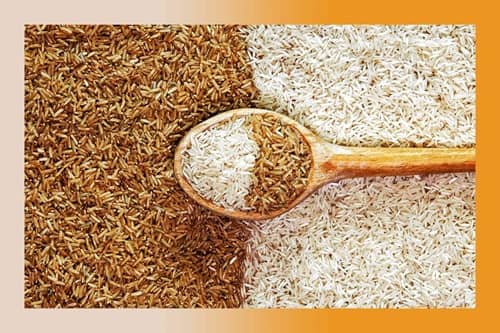
White Rice and Brown Rice: What Is the Real Difference?
White rice and brown rice usually come from the same grain. The main difference is in processing.
Brown rice keeps its outer bran layer and germ. Because of this, it has more fibre, minerals and a slightly nutty taste. It also takes longer to cook and feels heavier or chewier.
White rice is more polished. The bran and germ are removed, so it becomes softer, lighter, quicker to cook and easier to digest. This is why most households prefer it for daily meals. But polishing also removes much of the fibre and some nutrients.
For diabetics, this difference matters because fibre slows digestion. When a food digests slowly, glucose enters the blood more gradually. When a food digests quickly, blood sugar may rise faster after meals.
Why White Rice Can Be Tricky for Diabetics
White rice is easy to overeat. A small katori may look harmless, but in many Indian meals, rice keeps getting added with dal, curry, curd, pickle and papad. Before you notice, the portion becomes too large.
White rice has less fibre, so it is digested faster than brown rice. This can lead to a quicker rise in post-meal blood sugar, especially when eaten alone or with potato curry, fried snacks, sweet curd, sugary drinks or very little protein.
The problem becomes bigger when the meal is mostly rice. For example, a large plate of white rice with only rasam or thin dal may not keep sugar stable for long. You may feel hungry again soon, and blood sugar may fluctuate.
However, this does not mean every diabetic must completely avoid white rice. Many people can include a controlled portion, especially when the rest of the meal is planned smartly.
Why Brown Rice Is Usually a Better Choice
Brown rice is generally better for diabetics because it contains more fibre and is less processed. It usually has a lower glycaemic impact than regular polished white rice, which means it may cause a slower rise in blood sugar.
It also gives better fullness. A person who eats one measured serving of brown rice with dal, vegetables and curd may feel satisfied for longer compared to eating the same amount of white rice. This can help with weight control, which is very important in type 2 diabetes.
Brown rice also contains useful nutrients like magnesium and B vitamins. These nutrients support general health, though they should not be treated like medicine for diabetes.
The biggest benefit is that brown rice encourages mindful eating. Because it is chewier and heavier, people often eat it more slowly and in smaller portions.
But Brown Rice Is Not Automatically Safe in Unlimited Quantity
This is where many people make a mistake. Brown rice is healthier, but it is still rice. It still contains carbohydrates. If a diabetic eats a very large bowl of brown rice, blood sugar can still rise.
A healthy food can become unhealthy when the portion is too big. For example, two or three large servings of brown rice with dal and sabzi may still overload the meal with carbs. So the rule is simple: brown rice is better than white rice, but portion control is still compulsory.
People with digestive issues may also find brown rice heavy. Some may feel gas, bloating or discomfort, especially if they suddenly shift from white rice to brown rice. In such cases, it is better to start slowly—mix brown rice with white rice first, then gradually increase the brown rice portion.
Which Rice Is Better for Blood Sugar Control?
For most diabetics, brown rice is the better daily option compared to regular white rice because it has more fibre and digests more slowly. But the best choice depends on the person.
If your blood sugar is poorly controlled, brown rice, millets, dalia, quinoa, barley or smaller portions of basmati rice may be better than large servings of white rice. If your sugar is controlled and you are physically active, you may be able to eat a small portion of white rice in a balanced meal.
Basmati rice can be a better white-rice option than some sticky or short-grain varieties because it generally has a lower glycaemic response than many regular polished rice types. Still, portion size remains the deciding factor.
So, the practical ranking for many diabetics can be:
Brown rice or hand-pounded rice as a better routine choice
Basmati rice in controlled quantity as a moderate option
Regular polished white rice in small portions, not as a large daily base
Sticky rice, overcooked rice and rice-heavy meals as less suitable options
Best Way to Eat Rice If You Have Diabetes
The best diabetic-friendly rice plate is not just rice. It should be balanced.
A simple method is the plate rule. Fill half the plate with non-starchy vegetables like bhindi, beans, cabbage, cauliflower, lauki, tinda, capsicum, cucumber salad or leafy greens. Fill one quarter with protein such as dal, chana, rajma, paneer, curd, egg, fish or chicken. Keep rice in the remaining quarter.
This balance slows digestion and reduces sudden sugar spikes. Protein and fibre act like brakes. They help the body handle carbohydrates better.
For example, instead of eating a big bowl of rice with potato curry, choose a smaller rice portion with dal, salad, curd and a dry vegetable. Instead of plain curd rice made mostly with rice, add cucumber, carrot, roasted peanuts, sprouts or a side of vegetable stir-fry.
Portion Size: The Most Important Rule
For many diabetics, rice quantity matters more than rice colour. A small serving of white rice may be better than a huge serving of brown rice.
A practical portion for many people is around half to one small katori of cooked rice per meal, depending on blood sugar level, body weight, activity and doctor’s advice. People doing heavy physical work may tolerate more than someone sitting most of the day.
Do not measure rice after piling it on a plate. Use the same katori daily so your portion remains consistent. Also, avoid second servings. If you still feel hungry, increase salad, dal, vegetables or protein—not rice.
Cooking Tips to Make Rice More Diabetes-Friendly
Avoid overcooking rice until it becomes very soft and sticky. Overcooked rice digests faster. Cook it firm but not hard.
You can also cook rice, cool it and reheat it later. Cooling may increase resistant starch, which behaves more like fibre and may reduce the blood sugar impact slightly. This does not make rice carb-free, but it can be a useful small trick.
Do not add sugar, sweetened curd or too much ghee to rice dishes. A little ghee may slow digestion slightly, but too much adds calories and can affect weight. For diabetics, weight control is closely linked with sugar control.
Also avoid combining rice with multiple carb-heavy items in the same meal. Rice with potato, papad, sweets, fruit juice and dessert becomes a sugar-spiking plate.
White Rice vs Brown Rice for Indian Meals
In Indian homes, taste and habit matter. If your family eats white rice daily, suddenly switching completely to brown rice may feel difficult. A realistic approach works better.
Start with a mix: 75% white rice and 25% brown rice. After a few weeks, make it 50-50. This helps your taste buds and digestion adjust.
For dishes like pulao, khichdi and curd rice, brown rice can work well if soaked before cooking. For biryani, many people may prefer basmati rice, so the better strategy is portion control and adding protein and salad.
For South Indian meals, instead of taking a large mountain of rice with sambar, keep rice moderate and increase sambar vegetables, poriyal, curd and salad. For North Indian meals, avoid eating rice and several rotis together in large quantity. Choose one main carb and balance the meal.
Who Should Be Careful with Brown Rice?
Brown rice may not suit everyone. People with kidney disease, digestive problems, IBS flare-ups, elderly people with weak digestion or those advised to follow a low-fibre diet should speak to a doctor or dietitian before making brown rice a daily habit.
Some people also dislike the texture and end up eating less overall, which may sound good but can cause weakness if the diet is not balanced. Diabetes diet should be sustainable, not punishing.
If brown rice does not suit you, try other options like small portions of basmati rice, hand-pounded rice, millets, dalia or mixed-grain meals, depending on your health condition.
Final Verdict: Which Is Better for Diabetics?
Brown rice is generally better than regular white rice for diabetics because it has more fibre, more nutrients and usually a slower effect on blood sugar. But it is not a free-pass food. Quantity still matters.
White rice can be eaten occasionally or in small controlled portions if your blood sugar is managed well and the meal includes enough protein, vegetables and fibre.
The smartest diabetic choice is not “never eat rice.” It is “eat the right rice, in the right quantity, with the right combination.” For Indian families, this approach is practical, sustainable and easier to follow for the long term.
FAQs
Q1. Can diabetics eat white rice once in a while?
Yes, many diabetics can eat white rice in a small portion if their blood sugar is controlled. It should be eaten with dal, vegetables, salad, curd or protein. Avoid eating a large plate of plain white rice, especially at night or when your sugar levels are already high.
Q2. How much brown rice can a diabetic eat daily?
There is no one fixed amount for everyone. A common practical serving is half to one small katori of cooked brown rice in a meal, but it depends on your sugar control, medicines, weight, activity level and total carb intake. Checking post-meal sugar can help you understand your personal tolerance.
Q3. Is basmati rice better than regular white rice for diabetics?
Basmati rice is often a better choice than many regular polished white rice varieties because it may have a lower glycaemic impact. But it still contains carbohydrates, so diabetics should keep the portion small and avoid second servings.
Q4. What is the best time to eat rice for diabetics?
Rice is usually better at lunch than late dinner because the body has more time to use the energy during the day. If eating rice at night, keep the portion smaller and add vegetables and protein. A short walk after meals can also help manage post-meal sugar levels.
 Saurav Mehra