 By Ketan Kumar
 Open any Indian kitchen cabinet and you will find a small world of flavours sitting inside jars—haldi, mirchi, dhania, jeera, garam masala, chaat masala, kasuri methi, rai, ajwain, elaichi, laung, dalchini and many more. These spices decide whether a simple dal tastes flat or comforting, whether a sabzi feels fresh or boring, and whether Sunday chole smells like home or just another meal.
But here is the problem: many Indian kitchens store spices right next to the gas stove, in half-broken plastic boxes, old pickle jars, loose packets or containers with weak lids. Then after a few months, the red chilli loses colour, coriander powder smells dull, garam masala becomes clumpy, and turmeric starts looking lifeless. We blame the brand, but often the real issue is storage.
Spices are sensitive. Heat, moisture, sunlight and air slowly steal their aroma, colour and strength. That is why choosing the right container matters. The common confusion is: should Indian spices be stored in plastic containers or glass containers? Both are available, both are used widely, and both have pros and cons. The smart answer depends on how long you want to store the spice, where you keep it and how often you use it.
Why Spice Storage Matters in Indian Kitchens
Indian cooking uses spices daily, but our kitchen conditions are often tough on them. There is heat from the gas stove, steam from boiling dal, moisture during monsoon, oily hands during cooking and frequent opening of jars.
Powdered spices are especially delicate because they have more surface area exposed to air. Whole spices last longer, but even they lose aroma if stored carelessly.
Good storage protects four things: flavour, colour, aroma and safety. A well-stored masala stays fresh for longer, needs less quantity while cooking and reduces waste. Poorly stored spices can become clumpy, stale, insect-infested or mouldy.
Plastic Containers for Indian Spices
Plastic containers are popular because they are lightweight, affordable and easy to handle. In many homes, plastic masala boxes and small jars are used for daily cooking because they do not break easily and are convenient near the stove.
Food-grade plastic containers can be used for dry spices, especially when the spices are used quickly. They are also practical for families with children, elderly people or small kitchens where glass breakage is a concern.
However, plastic is not always the best choice for long-term spice storage. Low-quality plastic may absorb smell, stain easily and become cloudy or greasy over time. Strong spices like garam masala, hing, red chilli powder and pickle masala can leave a lasting smell in plastic jars.
Plastic containers can also become scratched. Scratches may trap spice dust, oil and moisture, making cleaning difficult. If the lid becomes loose, the spice will lose aroma faster.
Glass Containers for Indian Spices
Glass containers are generally better for long-term spice storage. Glass does not absorb smell, does not stain like plastic and gives a clean look to the kitchen. It is also easier to see what is inside, which helps you avoid duplicate purchases.
For spices with strong aroma, such as cloves, cardamom, cinnamon, nutmeg, garam masala, biryani masala and hing, glass is a better option because it keeps the smell contained and does not hold odour after washing.
Glass also feels more hygienic because it is easier to clean properly. If the lid is airtight, glass jars can preserve the freshness of spices very well.
The main drawback is breakage. Glass jars can fall and break, especially in busy kitchens. They are also heavier than plastic and may cost more. Clear glass can allow light exposure, so it should be kept inside a closed cabinet or drawer, not in direct sunlight.
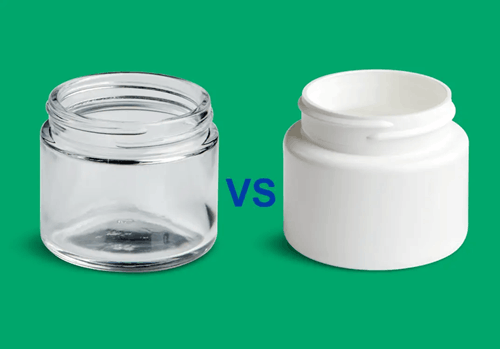
Plastic vs Glass: Which Is Better for Spices?
For long-term storage, glass is usually better than plastic. It protects aroma well, does not absorb spice oils and is easier to clean. For daily-use spices, food-grade plastic can be acceptable if the container is airtight, clean, dry and replaced when it becomes old or scratched.
A practical Indian kitchen can use both. Keep bulk spices in glass jars or stainless steel containers inside a cool cabinet. Keep small daily-use quantities in a masala dabba or compact food-grade plastic jars for convenience.
This way, you do not expose your full stock of spices to heat, steam and air every day.
The Best Container Is Airtight
Whether you choose plastic or glass, the lid matters more than the look. A beautiful jar with a loose lid is useless for spices.
Spices should be stored in airtight containers because air slowly reduces aroma. Moist air is even worse because it can make powdered spices clump and may encourage spoilage.
Before buying spice jars, check the lid quality. It should close tightly and not open easily when picked up. Rubber-gasket glass jars, screw-top jars and good-quality food-grade containers work well.
Avoid containers with cracked lids, loose caps or decorative tops that do not seal properly.
Keep Spices Away From Heat
One of the biggest mistakes is keeping spices near the gas stove. It looks convenient, but it is bad for freshness. Heat weakens the natural oils in spices and makes them lose strength faster.
Do not store your main spice stock above the stove, beside the chimney, near the oven, near the microwave or on a sunny window shelf. Indian kitchens become hot during cooking, so the safest place is a cool, dry cabinet.
You can keep a small masala dabba near your cooking area for daily use, but refill it from the main storage jar instead of keeping large quantities near heat.
Keep Spices Away From Moisture
Moisture is the enemy of Indian spices. A wet spoon dipped into turmeric or chilli powder can spoil the full container. Steam from cooking can also enter jars if you open them directly over a hot kadai.
Always use a dry spoon. Do not sprinkle masala directly from the container over steaming food. Instead, take the required amount in a small spoon or bowl and then add it to the dish.
During monsoon, be extra careful. If spices start clumping, it may mean moisture has entered. Small soft clumps can sometimes be broken if the spice still smells fresh, but if there is mould, bad smell or strange colour, discard it.
Should Spices Be Stored in the Refrigerator?
For most daily Indian spices, the refrigerator is not necessary. In fact, frequent opening and closing can create condensation, especially if the jar is taken out and left open. Moisture can spoil powdered spices.
However, in very humid areas or for large quantities of special spices, refrigeration may help if the spices are packed in fully airtight containers and not opened often. Some people store expensive whole spices, saffron or special masala blends in the fridge or freezer for longer freshness.
If you refrigerate spices, take out only the portion needed, close the container quickly and avoid letting moisture enter.
Whole Spices vs Powdered Spices
Whole spices last longer than powdered spices. Whole cumin, coriander seeds, black pepper, cardamom, cloves and cinnamon retain aroma better because their essential oils are protected inside.
Powdered spices lose freshness faster because grinding exposes more surface area to air. This is why freshly roasted and ground masala smells much stronger than a packet opened months ago.
If possible, buy whole spices and grind small quantities at home. For daily convenience, keep only a small amount of powder ready. This is especially useful for garam masala, jeera powder, coriander powder and pepper powder.
How Long Can Indian Spices Stay Fresh?
Spices do not usually “spoil” like milk, but they slowly lose flavour. Powdered spices are best used within 6–12 months after opening for good aroma. Whole spices can stay good for 1–2 years if stored properly.
Ground masala blends like garam masala, pav bhaji masala, chole masala, biryani masala and sambhar powder may lose punch faster because they contain mixed ingredients.
The best test is smell. If a spice has weak aroma even after rubbing a little between your fingers, it has lost strength. You may need to use more quantity, but very old spices are better replaced.
Best Storage Method for Daily Indian Use
Use a two-level storage system. Keep a small quantity of daily spices in your masala dabba or small jars. Keep the remaining stock sealed in airtight glass, steel or good-quality food-grade containers inside a cabinet.
Do not pour new spice over old spice blindly. First finish the old stock, clean and dry the jar, then refill. Mixing fresh masala with stale masala reduces overall quality.
Label the jars with purchase month if you buy in bulk. This helps you avoid using very old spices unknowingly.
Which Spices Need Extra Care?
Hing should be stored tightly because its smell spreads easily. Glass or a very well-sealed small container is best.
Red chilli powder should be protected from sunlight because its colour can fade. Turmeric should be kept dry because moisture can make it clumpy. Garam masala should be stored in a small airtight jar because it loses aroma quickly.
Kasuri methi should be kept in a dry airtight container and crushed only when needed. Saffron should be stored in a tiny airtight glass container away from light and heat.
Common Storage Mistakes to Avoid
Do not keep spices in open packets after cutting them. Do not use rubber bands as long-term sealing. Do not store masalas above the stove. Do not use wet spoons. Do not keep spices in transparent jars on open sunny shelves.
Avoid using old plastic containers that smell of pickle, oil or detergent. Spices absorb smell easily, and your garam masala should not smell like old achar.
Also avoid buying huge quantities only because the price is low. Unless you cook for a large family, smaller fresh packs are usually better than big stale stock.
Practical Verdict
Glass containers are better for long-term spice storage because they are non-absorbent, easy to clean and better at preserving aroma when sealed properly. Plastic containers are useful for short-term daily use if they are food-grade, airtight and in good condition.
For Indian kitchens, the best choice is not only plastic or glass—it is airtight, dry, cool and clean storage. Keep bulk spices protected, keep daily spices in small quantities and never let heat, steam or moisture enter your masala jars.
FAQs
Q1. Can I store spices in plastic containers?
Yes, spices can be stored in food-grade plastic containers for short-term daily use. Make sure the container is airtight, clean, dry and not scratched or smelly. For long-term storage, glass or stainless steel is better.
Q2. Are glass jars better for masalas?
Yes, glass jars are generally better for masalas because they do not absorb smell or stains and are easy to clean. Keep them inside a cabinet because direct sunlight can reduce spice colour and aroma.
Q3. Why do my spices become clumpy?
Spices become clumpy mainly because of moisture. This can happen due to wet spoons, steam from cooking, humid weather or loose lids. Use dry spoons and airtight containers to prevent clumping.
Q4. Should I throw away spices after expiry date?
If packaged spices are past expiry, it is safer to replace them, especially if aroma, colour or texture has changed. If spices smell stale, show mould, have insects or look unusual, discard them immediately.
 Saurav Mehra