 By Ketan Kumar
 North Delhi’s outer residential belt has been growing northward with the quiet persistence of a city that has run out of room in every other direction and must expand toward its edges. Burari sits at the northern periphery of this outward expansion — a large, densely populated locality that has transformed from a semi-rural zone at Delhi’s outer fringe into a fully urban neighborhood of considerable residential density over the past two decades. The Burari Flyover spans one of the area’s most important junction points along the GT Karnal Road and Outer Ring Road corridor, providing the elevated through-passage that keeps the primary North Delhi highway movement flowing while the junction below manages the intensely local traffic of one of Delhi’s most rapidly urbanised outer localities.
The flyover’s significance is partly geographic and partly demographic. Geographically, it sits at the point where the GT Karnal Road’s outer Delhi approach transitions toward the final highway stretch before the Singhu Border and the Punjab road network. Demographically, it serves a population that has grown faster than the supporting infrastructure in many respects — a large working-class and lower-middle-class residential community whose members commute daily toward the inner city’s employment centers via buses, shared autos, and the Delhi Metro’s Yellow Line connection at Burari Station. For this community, the flyover is infrastructure that represents the city’s belated acknowledgment of their neighborhood’s scale and its transit demands.
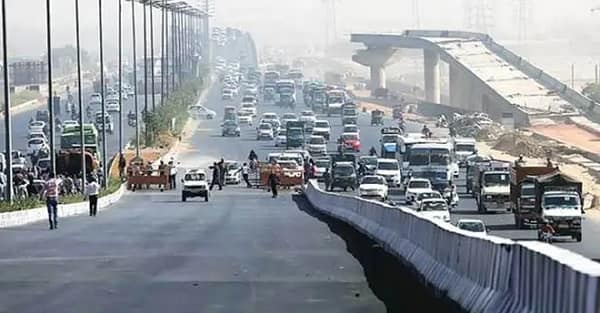
Burari Flyover Overview
| Detail | Information |
| Location | Burari, North Delhi |
| Primary Road | GT Karnal Road (NH-44) / Outer Ring Road |
| Nearest Metro Station | Burari — Delhi Metro Yellow Line |
| Key Roads Connected | GT Karnal Road (NH-44), Outer Ring Road, Burari Road, Mukherjee Nagar Road |
| Distance from Connaught Place | Approx. 14–16 km |
| Distance from Mukarba Chowk | Approx. 4–5 km |
| Distance from Singhu Border | Approx. 6–8 km |
| Governing Authority | PWD Delhi, NHAI, DMRC |
| Nearby Landmarks | Burari Market, Mukherjee Nagar Coaching Hub, Jagatpur Village |
| Structure Type | Elevated Road Overpass / Flyover |
| Public Transport Options | Delhi Metro Yellow Line, DTC Bus, App Cabs, Auto-Rickshaw |
| Best Suited For | Outer North Delhi GT Road and Burari residential corridor traffic |
| Peak Traffic Hours | 8:00 AM – 10:30 AM and 5:30 PM – 9:00 PM |
Directions to Burari Flyover
From Connaught Place: Travel northward from Connaught Place via the Outer Ring Road or GT Karnal Road heading toward the outer North Delhi zones. Continue through Azadpur and Mukarba Chowk. Burari Flyover is approximately 14 to 16 kilometres from Connaught Place with a travel time of 35 to 55 minutes through North Delhi’s progressively less congested outer arterials.
From Mukarba Chowk: Travel northward from Mukarba Chowk along GT Karnal Road heading deeper into outer North Delhi. Burari Flyover is approximately 4 to 5 kilometres ahead with a travel time of 10 to 15 minutes — the most direct southern approach from the Ring Road’s major northern junction.
From Mukherjee Nagar: Travel northward from Delhi’s famous coaching hub at Mukherjee Nagar via the Mukherjee Nagar-Burari connector heading toward the GT Karnal Road zone. The flyover is approximately 3 to 4 kilometres from Mukherjee Nagar’s commercial center with a travel time of 10 to 20 minutes.
From Singhu Border: Travel southward from the Singhu Border on NH-44 heading into Delhi from Haryana. Continue along GT Karnal Road toward the city. Burari Flyover is approximately 6 to 8 kilometres inside the Delhi boundary from Singhu, encountered as one of the primary elevated junctions on this northern highway entry corridor.
From Rohini: Travel northeastward from Rohini via the Rohini outer connector roads heading toward the GT Karnal Road zone at Burari. The flyover is approximately 6 to 8 kilometres from Rohini Sector 16 area with a travel time of 20 to 30 minutes through the connecting road network.
Metro and Public Transport Connectivity
Burari Metro Station on the Delhi Metro Yellow Line is the most significant public transport development for this outer North Delhi locality, connecting it directly southward through Azadpur, Civil Lines, Kashmere Gate, Chandni Chowk, Connaught Place, and all the way to HUDA City Centre in Gurugram without any interchange. The Yellow Line’s arrival at Burari has been genuinely transformative for the large commuter population of this outer locality — the daily commute toward inner Delhi employment centers that once required multiple bus transfers is now a single direct metro journey. DTC buses operate high-frequency services along GT Karnal Road through the Burari corridor, connecting it to Azadpur, Mukarba Chowk, and the Singhu Border zone. Auto-rickshaws serve intra-Burari movement extensively, and app-based cabs are increasingly available as the area’s commercial profile improves with better transit connectivity.
Road Connectivity
- GT Karnal Road (NH-44) runs north to south as Delhi’s primary northern highway entry from Haryana and Punjab, carrying both intercity freight and daily commuter traffic through the Burari zone.
- Outer Ring Road connects the flyover area circumferentially to Mukarba Chowk in the south and the northern Ring Road segments.
- Burari Road extends into the dense residential interior of Burari locality’s established and newer residential zones.
- Mukherjee Nagar Road connects southward toward the famous North Delhi coaching center hub that draws students from across India.
Nearby Areas and Neighbourhoods
Mukherjee Nagar: One of India’s most famous competitive examination coaching hub localities, Mukherjee Nagar hosts thousands of students preparing for civil services, banking, and other government examinations. Its proximity to the Burari flyover makes the junction a daily transit point for this enormous student population commuting between their accommodations and coaching centers.
Jagatpur Village: An urban village immediately adjacent to the Burari locality, Jagatpur has been partially absorbed into Delhi’s urban fabric while retaining a distinct community character. Its population contributes to the residential density that makes the Burari junction one of outer North Delhi’s more intensely trafficked daily crossings.
Burari Market: The local commercial market at the junction offers daily essentials, street food, and the neighborhood commercial vitality that sustains a large residential population within the outer North Delhi belt.
Sant Nagar: An established residential locality near Burari with mid-segment housing options that have attracted working-class and lower-middle-class families from across North Delhi seeking more affordable addresses within reasonable commute distance of the inner city.
Alipur Road Corridor: The Alipur Road extending northward from Burari connects toward the outer North Delhi municipal zone of Alipur and the semi-rural peripheral townships that represent Delhi’s northernmost urban expansion frontier.
Frequently Asked Questions (FAQs)
Q1. Where is Burari Flyover located in Delhi?
A: It is in Burari, North Delhi, on GT Karnal Road (NH-44) and the Outer Ring Road corridor, approximately 14 to 16 kilometres from Connaught Place.
Q2. Which metro station serves Burari Flyover?
A:Burari Metro Station on the Delhi Metro Yellow Line directly serves this outer North Delhi junction, providing single-corridor access to Central Delhi and Gurugram.
Q3. How far is Burari from Singhu Border?
A:The Singhu Border on NH-44 is approximately 6 to 8 kilometres north of Burari Flyover via GT Karnal Road.
Q4. Is Mukherjee Nagar accessible from Burari Flyover?
A: Yes, Mukherjee Nagar’s coaching hub is approximately 3 to 4 kilometres south of the flyover via the connecting road corridor.
Q5. What residential areas are near Burari Flyover?
A: Burari locality, Jagatpur Village, Sant Nagar, and the broader outer North Delhi residential belt surrounding GT Karnal Road are the most prominent communities near the flyover.