 By Ketan Kumar
 Wooden flooring brings unmatched warmth, elegance, and a natural feel to any home. In India, where homes often blend traditional charm with modern living, wooden floors are increasingly popular in bedrooms, living rooms, and studies. However, installing wooden flooring requires careful planning due to India’s diverse climate — high humidity in coastal areas, extreme dry heat in the north, dust, termites, and monsoon challenges. Rushing into installation without proper knowledge can lead to warping, gaps, buckling, or expensive repairs later.
This comprehensive guide outlines the essential things to know before installing wooden flooring in an Indian home.
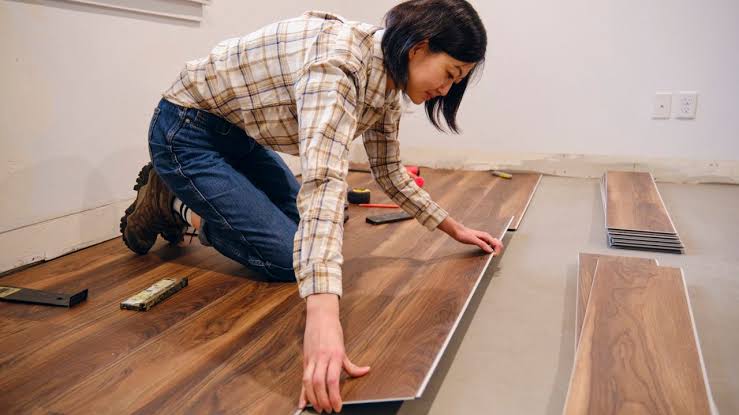
1. Understand the Types of Wooden Flooring
Not all wooden floors are the same. Knowing the differences helps you choose wisely:
- Solid Hardwood Flooring: Made from a single piece of real wood (Sheesham, Teak, Oak, etc.). It offers authentic beauty and can be sanded and refinished multiple times.
- Engineered Wood Flooring: Consists of a thin real wood top layer over plywood or HDF core. More stable than solid wood and suitable for humid areas.
- Laminate Flooring: Not real wood but a photographic layer over HDF. Affordable and easy to install but least durable.
Recommendation for India: Engineered wood is often the best compromise for most homes due to better stability in varying humidity.
2. Assess Your Climate and Room Conditions
India’s climate is the biggest factor affecting wooden flooring performance.
- High Humidity Areas (Mumbai, Chennai, Kolkata): Choose engineered wood with waterproof core or properly acclimatized solid wood. Avoid solid hardwood in very humid zones without excellent moisture barriers.
- Dry Regions (Delhi, Rajasthan): Solid wood performs better but needs proper humidification during peak summer.
- Subfloor Condition: The base must be perfectly level, clean, and dry. Concrete subfloors need moisture testing (less than 12% moisture content).
Always allow wooden flooring to acclimatize in the room for 48–72 hours before installation.
3. Budget Planning
Wooden flooring is a premium investment.
- Laminate: ₹80–200 per sq ft
- Engineered Wood: ₹150–450 per sq ft
- Solid Hardwood: ₹300–800+ per sq ft
Include costs for underlayment, moisture barriers, installation (₹40–80 per sq ft), and finishing. Factor in long-term maintenance expenses. Quality engineered wood often provides the best value for Indian conditions.
4. Installation Considerations
- Professional Installation: DIY is risky. Hire experienced installers familiar with Indian conditions.
- Expansion Gaps: Wood expands and contracts with humidity. Leave proper perimeter gaps (8–12 mm) covered with matching skirting.
- Underlayment: Use good quality foam or cork underlayment for sound insulation and moisture protection.
- Direction: Install planks perpendicular to the main light source for better visual appeal.
- Acclimatization: Store materials in the installation room for several days.
5. Maintenance and Care
Wooden floors require more care than tiles or vitrified flooring.
- Sweep or vacuum regularly.
- Use a slightly damp microfiber mop with wood-specific cleaners. Never flood the floor with water.
- Control indoor humidity (40–60% ideal) using dehumidifiers during monsoons.
- Place felt pads under furniture to prevent scratches.
- Avoid direct sunlight by using curtains.
- Schedule professional cleaning and refinishing every 4–7 years.
6. Common Mistakes to Avoid
- Installing without proper moisture testing.
- Choosing solid hardwood in humid areas.
- Ignoring expansion gaps.
- Using the wrong cleaner or excessive water.
- Poor subfloor preparation.
7. Vastu and Aesthetic Tips
According to Vastu, wooden flooring is auspicious, especially in light shades. Light oak, maple, or natural teak tones make rooms feel spacious. Darker shades add warmth but can make small apartments feel smaller.
Conclusion
Installing wooden flooring can transform your Indian home into a warm, elegant space, but success depends on informed choices. Prioritize engineered wood for most urban homes, ensure proper acclimatization and installation, and commit to regular maintenance. While the initial investment is higher than tiles, a well-chosen and properly installed wooden floor adds timeless beauty, comfort, and property value.
Take time to assess your climate, measure accurately, consult professionals, and select quality materials from reputed brands. With the right approach, your wooden flooring will provide beauty and comfort for decades, making your house truly feel like a home.
FAQ
Q1: Is wooden flooring suitable for humid Indian cities?
Engineered wood with waterproof core is suitable. Solid hardwood requires extra precautions and good humidity control.
Q2: How long does wooden flooring last in India?
Properly installed and maintained engineered wood lasts 15–25 years, while solid hardwood can last 30+ years.
Q3: What is the best wood type for Indian homes?
Sheesham and engineered oak or teak are popular for their durability and availability.
Q4: How much does wooden flooring cost in India?
Expect ₹150–600 per sq ft installed, depending on type and quality.
Q5: Can I install wooden flooring myself?
Floating engineered and laminate floors can be DIY, but glue-down or solid wood installation should be done by professionals.
Q6: How do I protect wooden floors during monsoons?
Maintain indoor humidity, use doormats, wipe spills immediately, and ensure good ventilation.
Q7: Is wooden flooring easy to maintain?
It requires more care than tiles but is manageable with regular sweeping, occasional mopping with proper cleaners, and humidity control.