 By Ketan Kumar
 Choosing the right flooring is one of the most important decisions when building or renovating a home in India. The floor must handle heavy foot traffic from joint families, frequent cleaning, spills of oil, turmeric, and dal, high humidity during monsoons, and intense summer heat. Two of the most popular options — tiles (especially vitrified and ceramic) and marble — dominate the Indian market. While both have their strengths, they serve different needs and budgets.
This article provides a detailed comparison to help you decide which flooring material is better suited for your home.
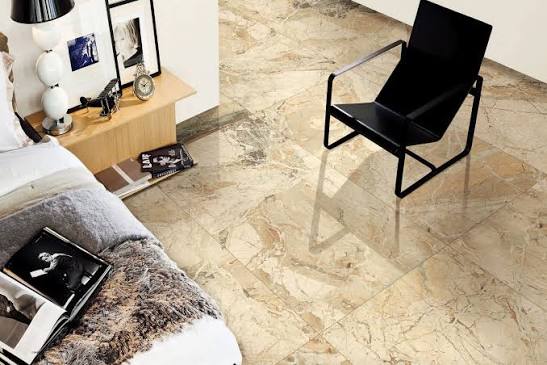
Understanding the Two Options
Tiles (Vitrified, Ceramic, Porcelain) are man-made, fired clay products known for uniformity, durability, and affordability. Vitrified tiles, in particular, have become the default choice in modern Indian construction.
Marble is a natural metamorphic stone prized for its elegance, cool touch, and luxurious veining. It has been used in Indian palaces and temples for centuries.
Key Comparison Factors
- Durability and Strength
Tiles, especially vitrified varieties, are extremely hard and resistant to scratches, impacts, and heavy loads. They perform well in high-traffic areas like living rooms and kitchens. Marble is softer and more prone to scratches, etching from acids (lemon, vinegar), and chipping. However, good quality marble can last generations with proper care.
- Maintenance
Tiles are low-maintenance. They are non-porous (especially vitrified), stain-resistant, and easy to clean with regular sweeping and mopping. Marble requires regular sealing, polishing, and careful handling to prevent staining from Indian spices and oils. Neglected marble can lose its shine and develop dull patches.
- Cost
Tiles are significantly more budget-friendly. Installed vitrified tiles cost ₹60–150 per sq ft, while marble ranges from ₹150–500+ per sq ft depending on quality (Italian, Indian Makrana, etc.). Tiles also have lower installation and maintenance costs over time.
- Aesthetics and Feel
Marble offers unmatched natural beauty and a premium, royal look. Its cool surface feels luxurious underfoot, especially in hot Indian summers. Tiles come in endless designs — wood, marble, stone, and concrete finishes — and can closely mimic expensive materials. However, they lack the unique character of natural stone.
- Climate Suitability
In humid coastal regions (Mumbai, Chennai, Kolkata), vitrified tiles perform better due to their moisture resistance. Marble can absorb water and develop mold if not sealed properly. In dry northern regions, both work well, but marble’s natural coolness is highly valued during summers.
- Safety and Comfort
Anti-skid tiles are safer for bathrooms, kitchens, and homes with elderly members or children. Marble can become slippery when wet. Tiles are harder underfoot, while marble feels smoother and cooler.
Pros and Cons Summary
Tiles Pros:
- Affordable and excellent value.
- Highly durable and low-maintenance.
- Wide variety of designs and textures.
- Easy to install and repair.
- Better for humid climates and wet areas.
Tiles Cons:
- Can feel cold in winter.
- May crack under extreme impact.
- Less luxurious appearance.
Marble Pros:
- Timeless elegance and natural beauty.
- Cool surface ideal for Indian summers.
- Increases property value.
- Excellent thermal properties.
Marble Cons:
- Expensive upfront and ongoing maintenance.
- Prone to staining and etching.
- Requires professional polishing periodically.
- Not ideal for heavy kitchen use.
Which Is Better for Indian Homes?
Choose Tiles If:
- You have a moderate to tight budget.
- You want low maintenance and high durability.
- You live in humid or coastal areas.
- You have children or elderly family members (anti-skid options).
- You prefer modern or minimalist designs.
Choose Marble If:
- You want a luxurious, classic look.
- Budget is not a major constraint.
- You live in drier regions and can commit to regular maintenance.
- You are designing formal living or dining areas.
Hybrid Approach: Many Indian homes successfully combine both — vitrified tiles in kitchens, bathrooms, and high-traffic areas, and marble in living rooms and bedrooms for a premium touch.
Practical Buying and Installation Tips
- Always buy from reputed brands (Kajaria, Somany, Orient Bell for tiles; trusted quarries for marble).
- Check for uniformity, thickness, and quality certifications.
- Hire experienced contractors for proper leveling and grouting.
- Factor in subfloor preparation costs.
- Consider underfloor heating in colder regions if opting for tiles.
Conclusion
For most Indian families, vitrified tiles offer the best balance of durability, affordability, and practicality. Marble, while undeniably beautiful, demands higher maintenance and investment, making it suitable for those who prioritize luxury over convenience. Ultimately, your choice should align with your lifestyle, climate, budget, and how much time you are willing to spend on upkeep.
Before finalizing, visit showrooms, compare samples under natural light, and consult interior designers familiar with Indian conditions. The right flooring will serve your family comfortably for decades while enhancing the beauty and value of your home.
FAQ
Q1: Which is cheaper in the long run — tiles or marble?
Tiles are cheaper both initially and in the long run due to lower maintenance costs.
Q2: Is marble suitable for Indian kitchens?
Not ideal. Marble stains easily from spices and oil. Vitrified tiles or granite are better for kitchens.
Q3: Which flooring is better for humid coastal cities?
Vitrified tiles are generally better due to superior moisture resistance.
Q4: Does marble increase home resale value?
Yes, marble flooring can significantly increase perceived luxury and resale value in premium homes.
Q5: How often does marble need polishing?
Marble typically needs professional polishing every 1–2 years, depending on usage and traffic.
Q6: Can I install tiles over existing marble?
Yes, with proper surface preparation, though it increases floor height slightly.
Q7: What should I consider for homes with elderly members?
Choose matte or anti-skid tiles for safety. Marble can be slippery when wet.